
COACHING CORNER · RULES AND SURFACES
Tennis rules, faults and court surfaces
Understanding faults and surfaces helps you play better: you know what costs you points, and how to adapt your game to clay, hard courts or grass.

Faults
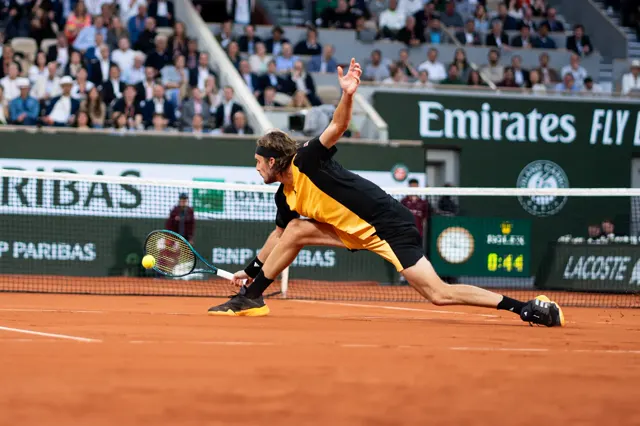 Rules · FaultsTennis faultsService faults, foot faults, unforced and forced errors: how to recognise each one and how to cut them down.
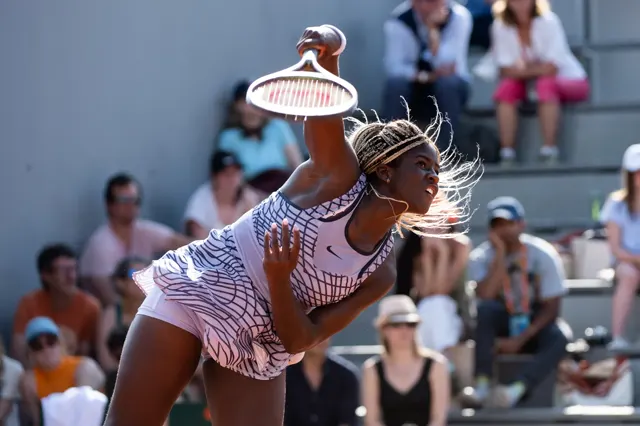 Rules · FaultsThe double fault in tennisWhy players double fault and how to build a reliable second serve, even under pressure.
 Rules · FaultsThe unforced error in tennisAn unforced error is a point given away. Why it happens and how to cut it down, shot by shot.
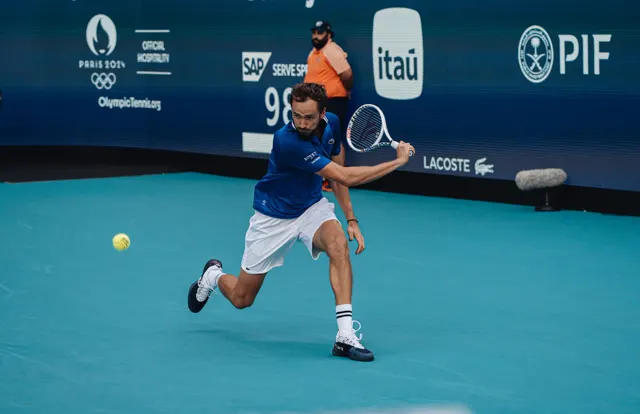 Rules · FaultsThe forced error in tennisWhen your opponent forces you into a miss: how to recognise it, defend better and keep your confidence.
Court surfaces
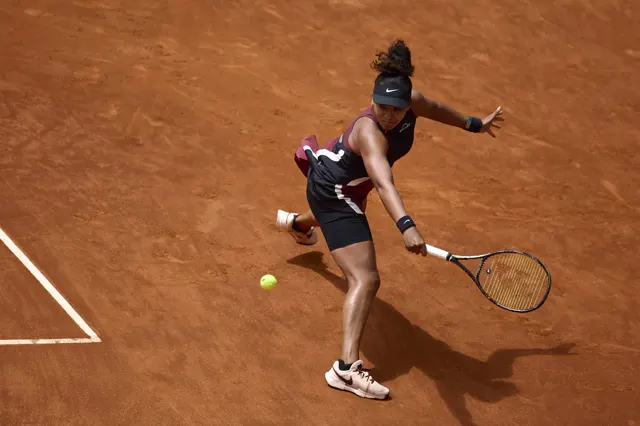 Tennis explained · SurfacesThe types of tennis surfacesClay, hard, grass, synthetic: the speed, bounce and playing style of each tennis surface, and the big tournaments played on it.
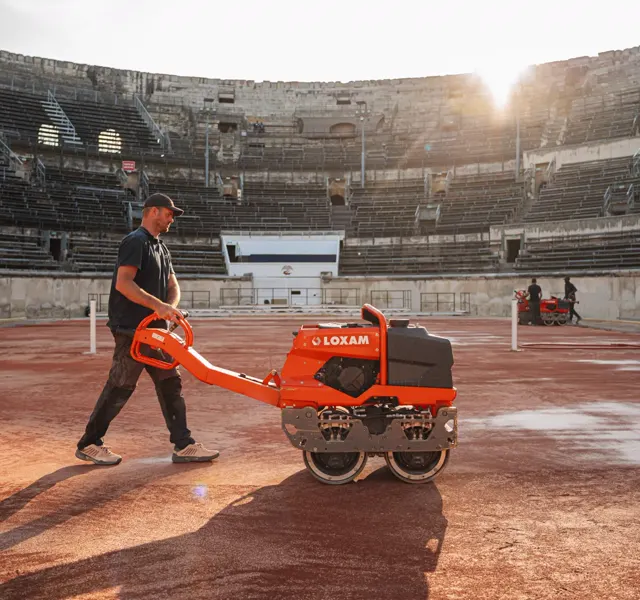 Surfaces · ClayHow a clay court is madeThe layers of a clay court, why drainage matters, synthetic clay and the different clay colours: everything about how it is built.
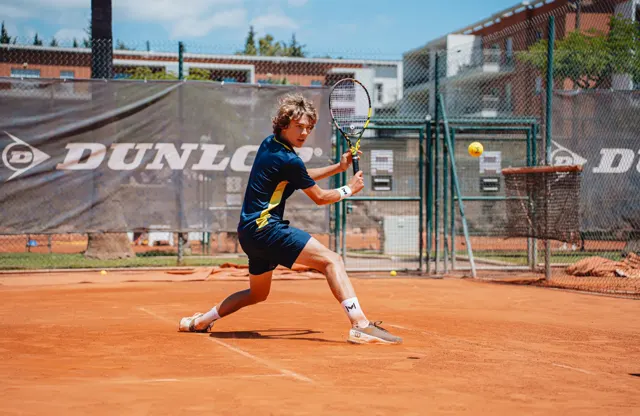 Surfaces · ClayRed clay: maintenance and playWatering, brushing, rolling, top-dressing: how a red clay court is maintained, and how to make the most of it when you play.
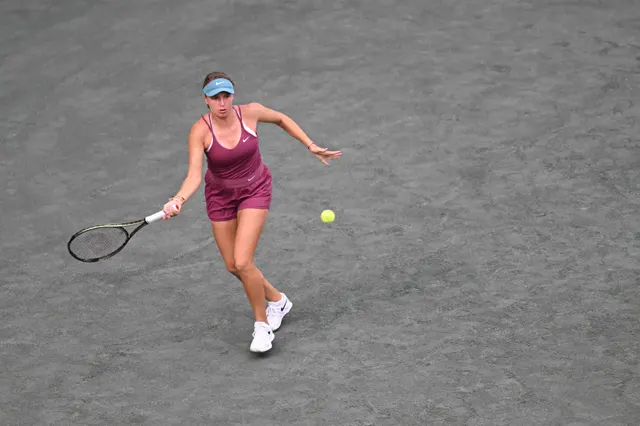 Surfaces · ClayGrey clay tennis courtsMake-up, pace, bounce, upkeep: what sets grey clay apart from red and green clay.
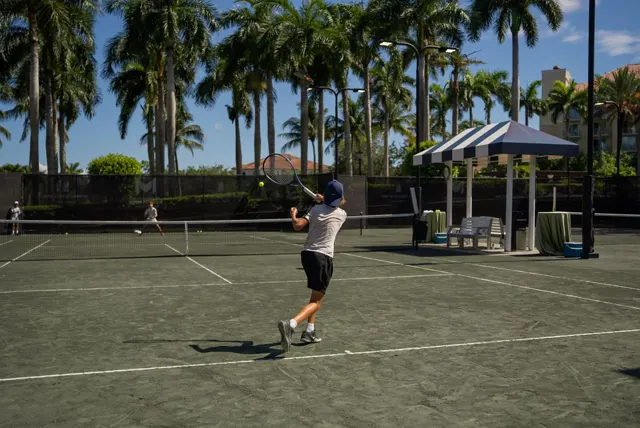 Surfaces · ClayGreen clay tennis courtsMake-up, pace, bounce, upkeep: all about green clay, or Har-Tru, and how it differs from red clay.
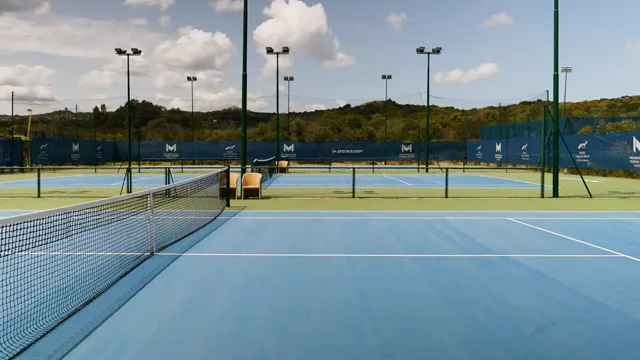 Surfaces · Hard courtThe hard tennis courtMake-up, bounce, physical impact and strategy: a guide to playing and winning on a hard tennis court.
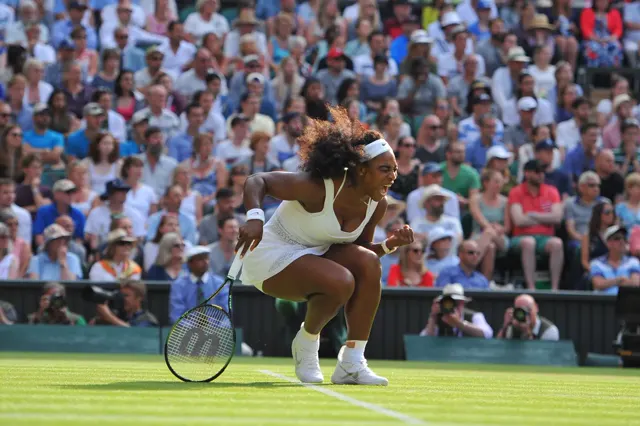 Surfaces · GrassThe grass tennis courtNatural or artificial, fast and demanding: how a grass tennis court plays, and why it is so rare in clubs.
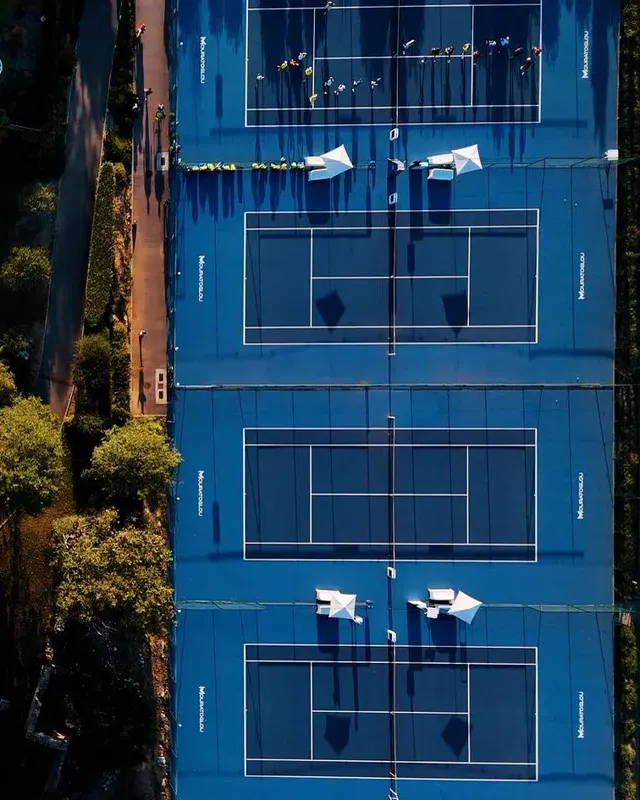 Surfaces · Court careTennis court resurfacingSigns of wear, the work involved for each surface and the effect on play: how a tennis court is brought back to life.
Points and sets

The pro tour
Frequently asked questions
What is the difference between an unforced and a forced error?
An unforced error is made without pressure from the opponent; a forced error comes from an opponent’s shot that puts you in trouble. See tennis faults.
Which surface is best to learn on?
Clay is often recommended for learning: the ball is slower and rallies are longer. See tennis court surfaces.
Which surfaces do you train on at the Mouratoglou Academy?
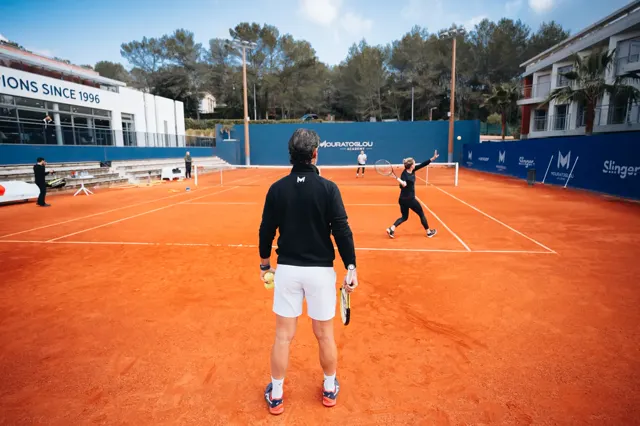
The academy, on the French Riviera (Biot, near Nice), has both clay and hard courts, so players can work on point construction as well as fast-court play. Surface choice is part of training planning under the Mouratoglou Method. To understand how they differ, read our guide to tennis court surfaces.
Where should you start to understand the rules of tennis?
With scoring points and games, then the set format, before moving on to faults. Our guides on how to keep score in tennis and how many sets are played cover the essentials. Service faults and double faults come next. Children pick them up naturally by playing supervised matches, as in the Player Camp Junior.
MOURATOGLOU ACADEMY · FRENCH RIVIERA
Train with our coaches
Put this advice into practice on the courts of the Mouratoglou Academy, on the French Riviera.
 AdultsFull daysAll levelsPerformance Camp AdultA week of intensive tennis, 4 players per coach: technique, match play, physical and mental training.DISCOVER
  Ages 6–17MorningsAll levelsPlayer Camp JuniorFun and demanding tennis mornings to make progress during the holidays.DISCOVER
  Ages 9–172 weeksCoached tournamentsTournament Camp JuniorTwo weeks of training and tournaments, with a coach by your side during matches.DISCOVER