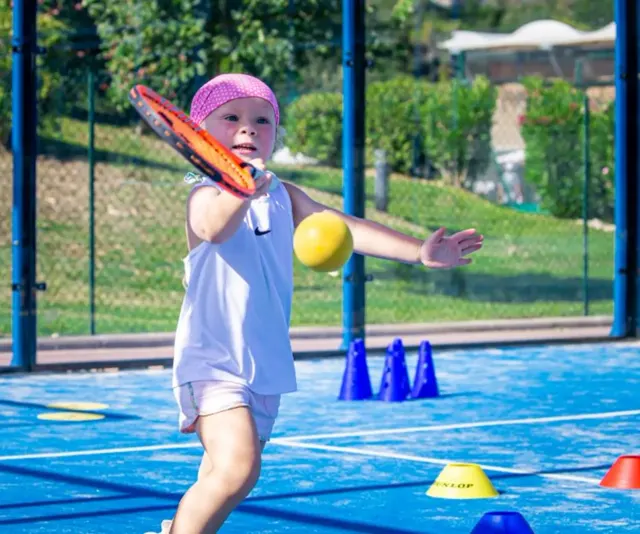
Equipment · Balls
Tennis balls: how to choose the right ones
To choose tennis balls, look at three things: the player (child, beginner, experienced player), how often you play and the court surface. Adults who play regularly use pressurised balls, which are livelier; pressureless balls last longer and suit practice; children start with foam balls, then slower red, orange and green balls.

Key takeaways
- Pressurised balls: lively bounce and pleasant feel, but they start losing pressure as soon as the can is opened.
- Pressureless balls: consistent bounce for months, harder feel, ideal for practice and ball baskets.
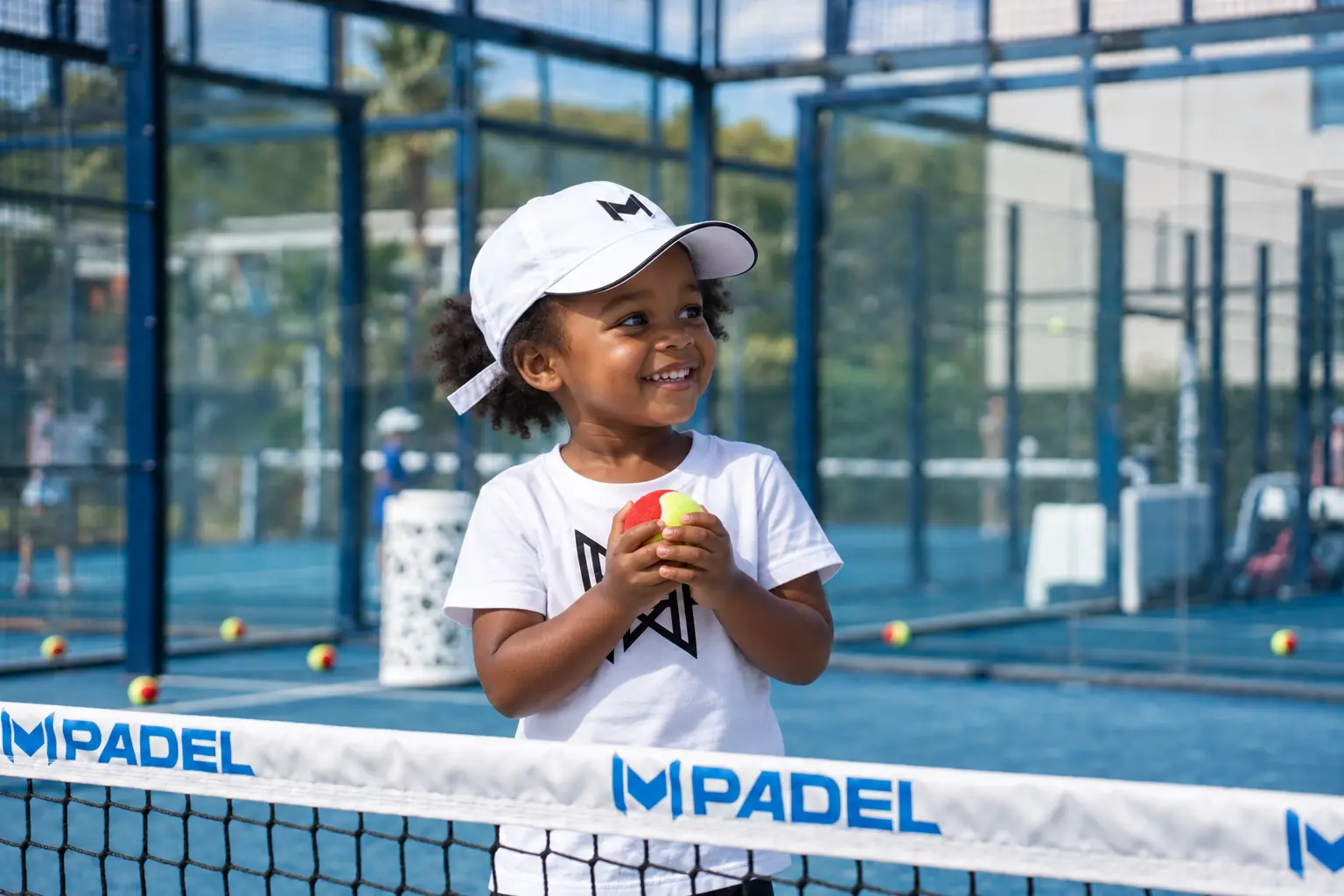
- Kids’ balls: red (75% slower), orange (50%), green (25%), according to age and level.
- Surface: there are balls designed for clay and tougher balls for hard courts.
- Simple test: dropped from head height, a ball that is still good bounces back to at least waist height.
Why does choosing the right tennis ball matter?
Players think a lot about racquets and very little about balls. Yet the wrong ball, or a worn one, changes the game completely: a low bounce, a “dead” ball that sits up, or a ball far too lively for a beginner. A heavy or hard ball also puts more strain on your arm.
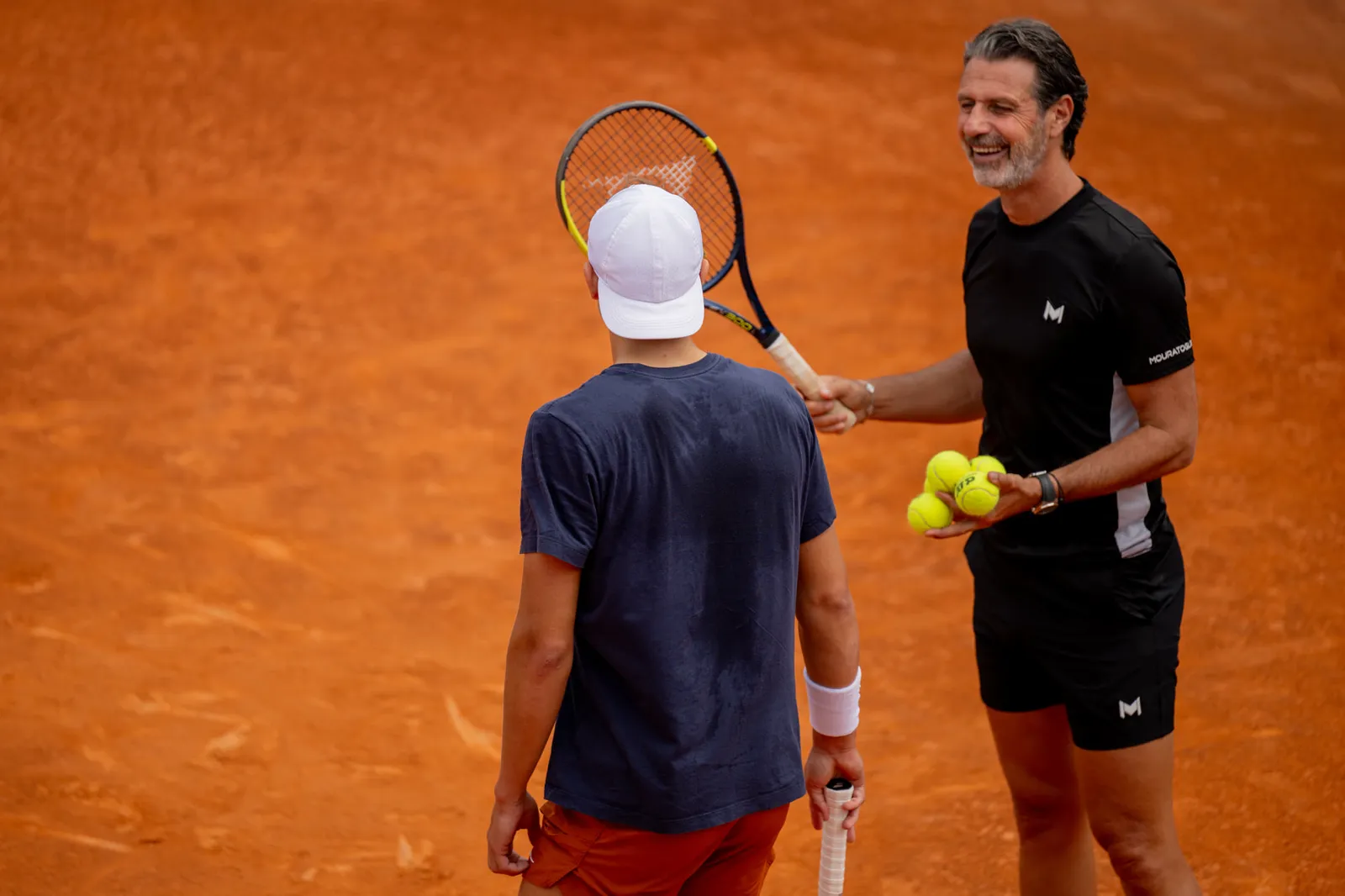
Proof of how much it matters: on the professional tour, balls are changed after the first seven games (including the warm-up), then every nine games. A ball loses its qualities very quickly when it is hit hard.
Pressurised or pressureless: which should you choose?
The difference is inside the ball. A pressurised ball contains gas under pressure, which gives it its lively bounce. A pressureless ball has a thicker rubber core: the rubber alone provides the bounce.
| Pressurised balls | Pressureless balls | |
|---|---|---|
| Feel | Lively, soft, pleasant | Harder, heavier |
| Bounce | Excellent at first, then drops | Consistent over time |
| Lifespan | A few sessions after opening | Several months, until the felt wears |
| Best for | Matches, competition, regular play | Practice, ball baskets, clubs, ball machines |
Pressurised balls are the match standard. Pressureless balls, cheaper over time, are covered in our article on pressureless tennis balls.
Which tennis balls for children and beginners?
Children and complete beginners progress much faster with slower, softer balls. They give time to get into position, bounce at a manageable height and allow rallies from the very first sessions. The International Tennis Federation (ITF) colour system is the benchmark:
| Ball | Speed vs yellow ball | Typical age | Court |
|---|---|---|---|
| Foam | Very slow | 3 to 6, first steps | Very small, indoors |
| Red | 75% slower | 5 to 8 | Small court (about 11 m) |
| Orange | 50% slower | 8 to 10 | Mid-size court (about 18 m) |
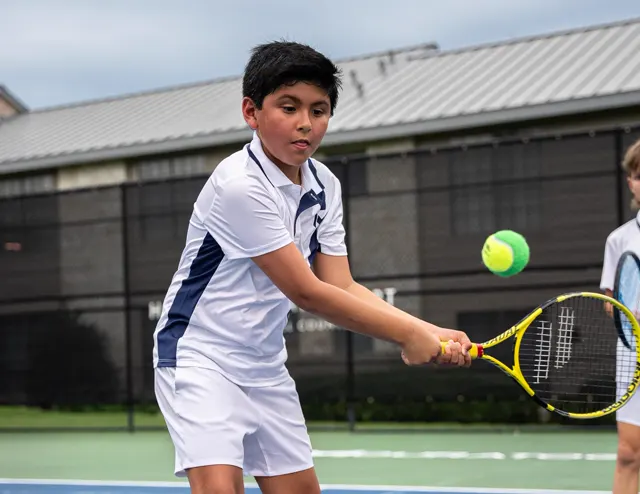
| Green | 25% slower | 9 to 10 and over | Full court |
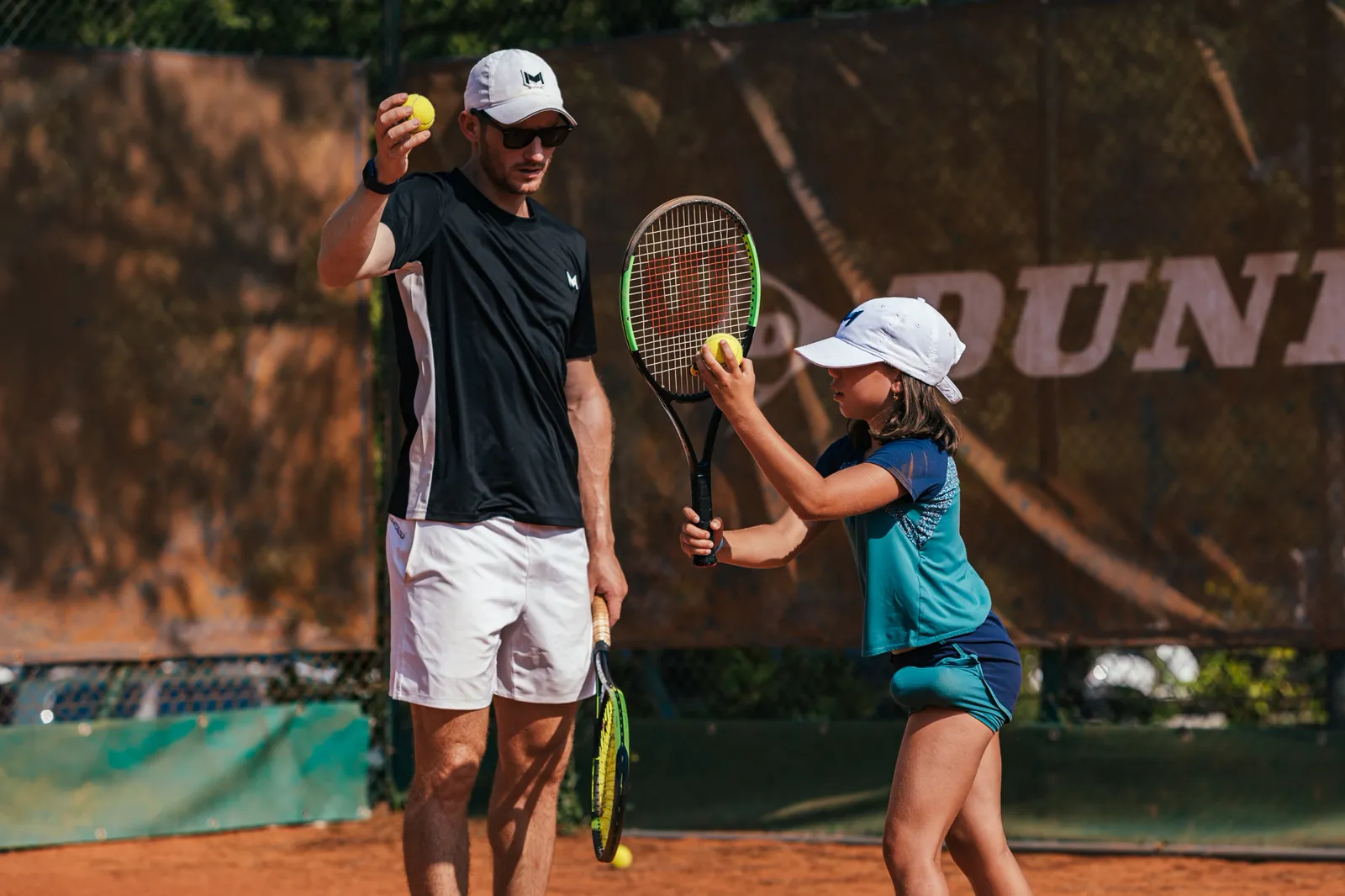
To find out more, read our guides to mini tennis balls and foam tennis balls. At the Academy, these balls are used from the Baby Tennis Camp onwards.
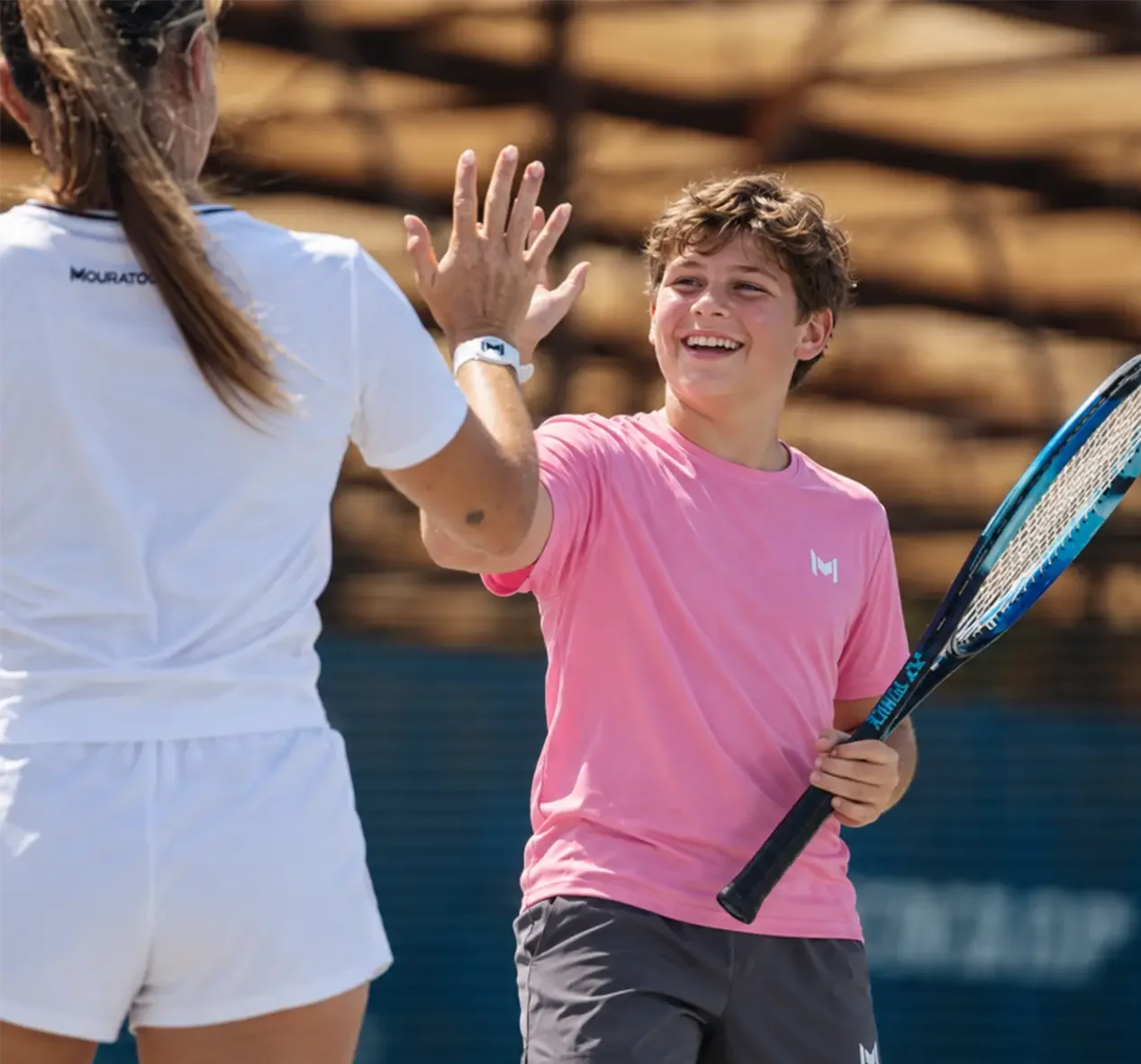 Ages 6–17MorningsAll levelsPlayer Camp JuniorFun and demanding tennis mornings to make progress during the holidays.DISCOVER
 Should you choose your ball by court surface?
Yes, to some extent. Manufacturers make balls designed for particular surfaces:
- Clay: felt designed to limit the build-up of clay, so the ball does not get heavier during a match.
- Hard courts: thicker, tougher felt (often called “extra duty”), because concrete and acrylic wear balls out fast.
- All-court: a compromise for players who switch courts regularly.
There are also faster and slower balls to offset the pace of a surface, and high-altitude balls for places where thinner air makes the ball fly faster. To understand how courts affect play, see our guide to tennis court surfaces.
How long does a tennis ball last?
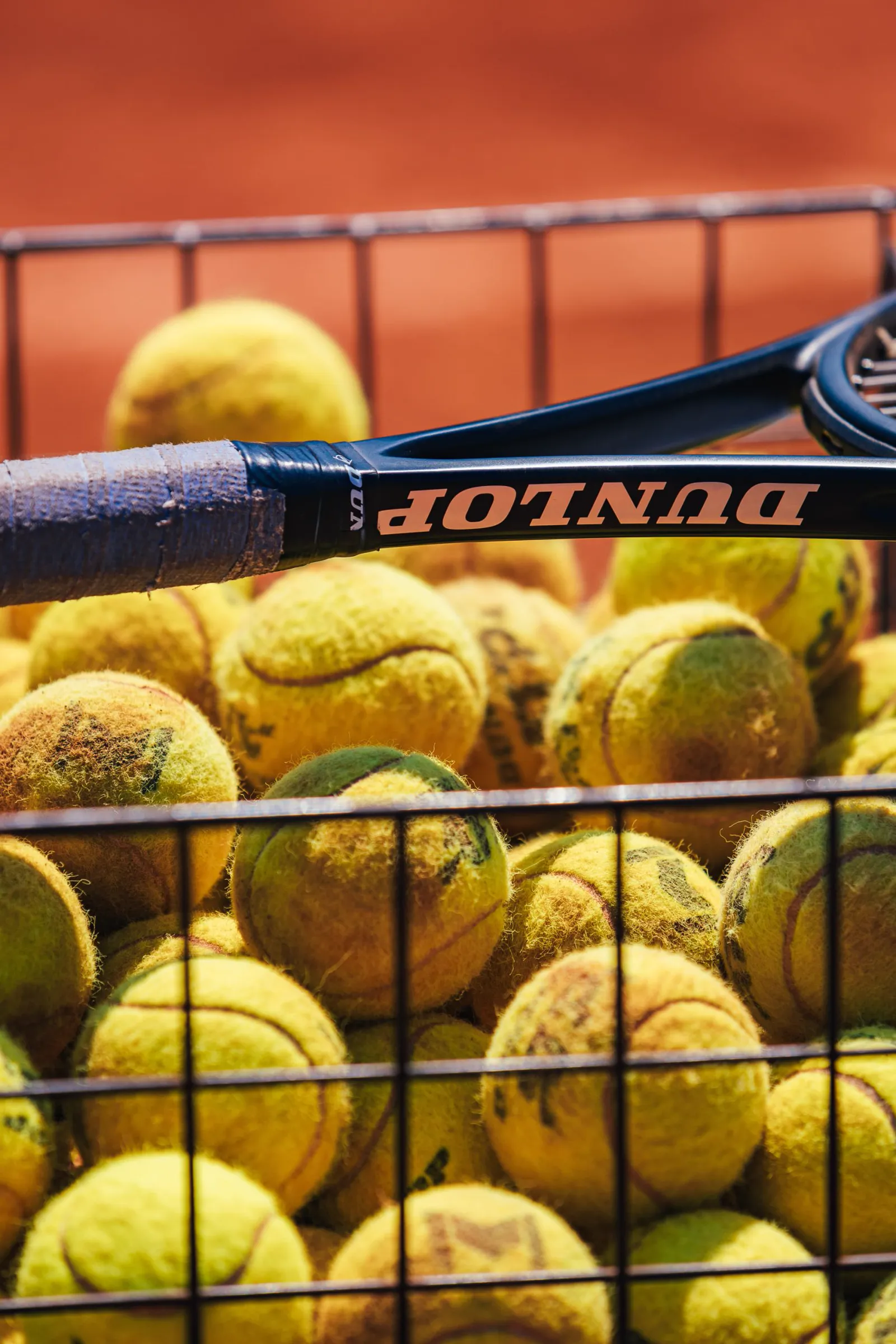
A pressurised ball starts losing pressure as soon as the can is opened. For a regular player it stays really good for three or four sessions or matches, then its bounce drops noticeably. A pressureless ball can last several months, until its felt is bald.
How to make your balls last longer
- Keep them in their sealed can or in a ball pressuriser designed to limit pressure loss.
- Store them somewhere cool and dry, away from heat (a car boot in summer) and damp.
- Open a can shortly before you play, and use your balls soon after opening.
- Keep old balls for drills and the practice basket.
Which balls should you use to practise effectively?
A ball is also a teaching tool. To fix a stroke, a slightly slower ball (green, or a pressurised ball that has already lost some life) gives you time to get set and repeat the movement without tensing up. To prepare for a match, you need the opposite: fresh balls with the same bounce as in competition, so you can tune your depth and timing.
It is one of the principles of the Mouratoglou Method: equipment adapts to the player and to the goal of the session. At the Mouratoglou Academy, coaches choose balls according to age, level and the work of the day. For more practical advice, explore the Coaching Corner and our guide on where to put your dampener.
Frequently asked questions
How do I choose good tennis balls?
Start from your profile: pressurised balls for regular match play, pressureless balls for practice, foam, red, orange or green balls for children and beginners. Then consider the surface: clay-court balls, or tougher balls for hard courts.
How long does a tennis ball last?
A pressurised ball stays at its best for about three or four sessions after opening. A pressureless ball can last several months, until the felt wears out. Heat, damp and hard courts shorten that lifespan.
How can I tell if a tennis ball is dead?
Drop it from head height: if it no longer bounces back to your waist, it has lost too much pressure. A ball that feels soft when squeezed or has bald felt should also be replaced.
Why are tennis balls yellow?
Fluorescent yellow was adopted because it is more visible, especially on television. White balls are still allowed by the rules, but they have become very rare.
Which tennis balls should an adult beginner use?
An adult beginner improves faster with green balls, 25% slower than the yellow ball: they give you time to get into position and build a sound stroke. You then switch to standard balls once rallies become consistent. In our adult camps at the Mouratoglou Academy on the French Riviera, such as the Player Camp Adult, choosing the right ball is part of adapting the session to your level.