Equipment · Balls
Pressureless tennis balls: who are they for?
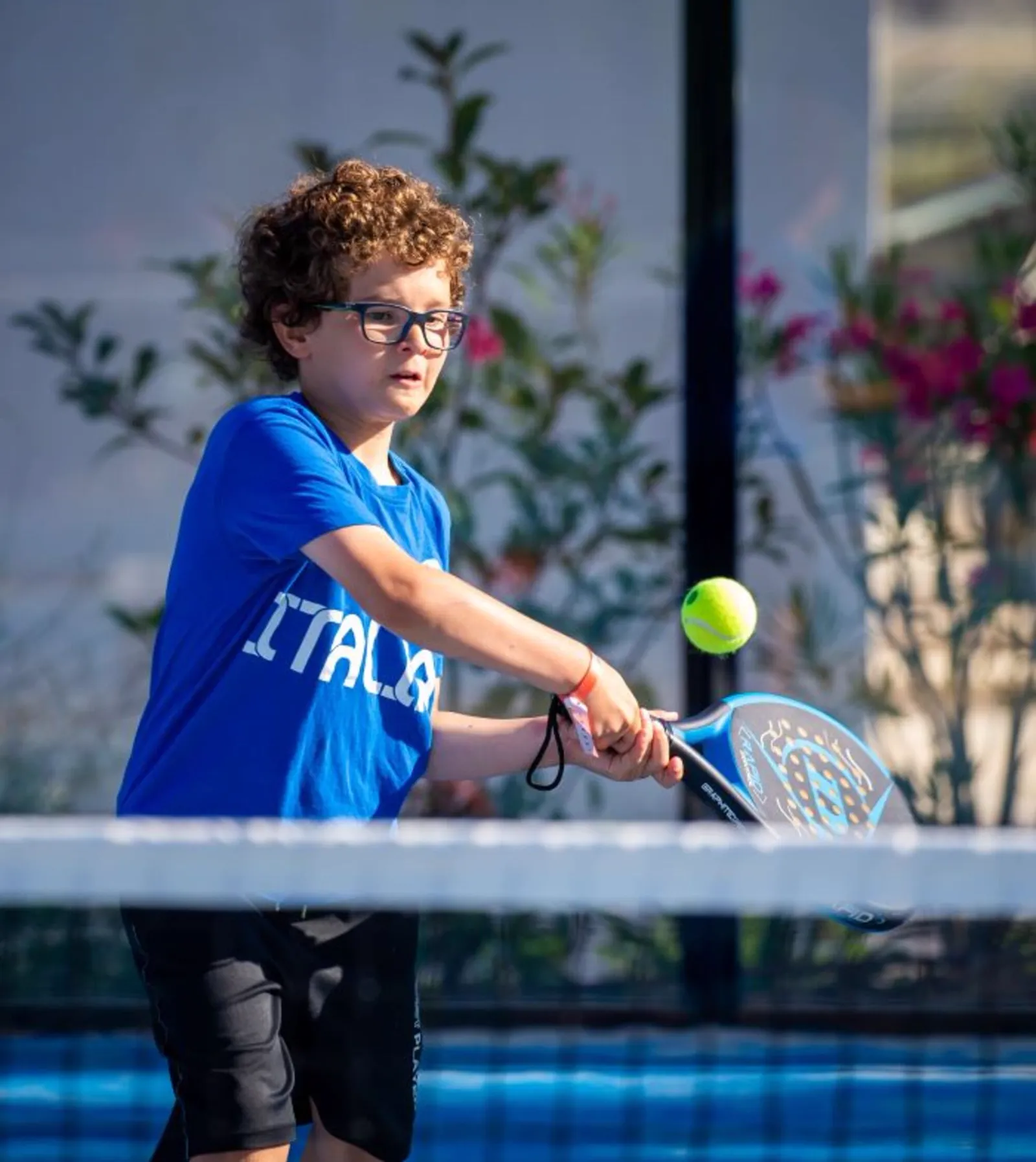
A pressureless tennis ball has a rubber core that is not filled with gas under pressure: the thickness of the rubber provides the bounce. It keeps the same bounce for months, until the felt wears out. Harder to the touch than a pressurised ball, it is ideal for practice, ball baskets, ball machines and occasional play.

Key takeaways
- Definition: a ball with no pressurised gas and a thicker rubber core; the bounce comes from the rubber alone.
- Main advantage: it never goes flat; its bounce stays consistent until the felt is worn.
- Drawback: harder and heavier on the racquet, it puts more strain on the arm and takes some getting used to.
- Uses: practice, group lessons, ball baskets and machines, occasional play, hitting walls.
- For matches: pressurised balls remain the standard.
What is a pressureless tennis ball?
A tennis ball is a hollow rubber sphere covered in felt. In a pressurised ball, the inside holds gas at a pressure higher than the surrounding air, which gives it its lively bounce. In a pressureless ball there is no pressurised gas: the rubber wall is thicker, and its elasticity provides the bounce.
The direct consequence: a pressurised ball gradually loses pressure once the can is opened, whereas a pressureless ball has nothing to lose. Its bounce stays the same until the felt is too worn.
Pressureless vs pressurised: what is the difference?
| Criterion | Pressureless ball | Pressurised ball |
|---|---|---|
| Bounce | Consistent over time | Lively at first, then drops |
| Feel | Harder, heavier | Softer, more pleasant |
| Lifespan | Several months | A few sessions after opening |
| Arm comfort | More demanding | More comfortable |
| Best for | Practice, baskets, machines | Matches, competition |
A new pressureless ball often feels a little heavier and harder; as the felt wears, it actually becomes slightly livelier. Allow a few sessions to adjust if you normally play with pressurised balls. For an overview of every type of ball, read our guide to choosing tennis balls.
When should you use pressureless tennis balls?
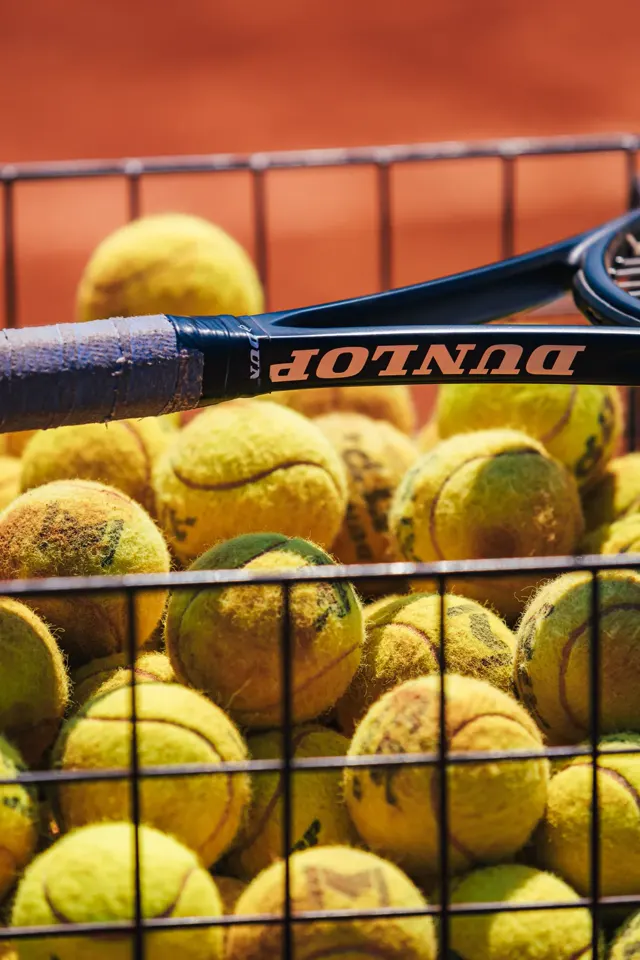
- Ball baskets: for hand-fed or racquet-fed drills, dozens of balls with the same bounce for months.
- Ball machines: a consistent bounce makes drill sets more regular.
- Coaching: in group lessons, clubs and academies replace balls far less often.
- Occasional play: if you rarely play, a pressureless ball does not “die” between outings.
- Hitting walls and high altitude: dedicated pressureless balls are also used at altitude, where pressurised balls bounce too much.
 AdultsMorningsAll levelsPlayer Camp AdultCoached tennis mornings to progress at your own pace, with afternoons free on the French Riviera.DISCOVER
 Are pressureless balls suitable for beginners?
For an adult beginner or occasional player, yes: their consistent bounce helps you find your timing, and they stay playable for a long time. Their harder feel does, however, call for a little more strength.
For children, they are not the right starting point. Young players progress with slower, lighter balls: foam for toddlers, then red, orange and green balls according to age. See our guides to foam tennis balls and mini tennis balls.
How do you choose pressureless tennis balls?
- Define the use: practice basket, ball machine, occasional play or group lessons.
- Choose the format: cans of 3 or 4 balls to play with, bags or buckets of several dozen for a basket or machine.
- Check the felt: thick felt (often labelled “extra duty”) lasts longer on hard courts; regular felt suits clay.
- Check approval if you want to play friendly matches with them: balls that meet the rules carry the ITF approval mark.
All the major tennis brands make pressureless balls. Rather than a brand, go by the intended use and the surface you play on.
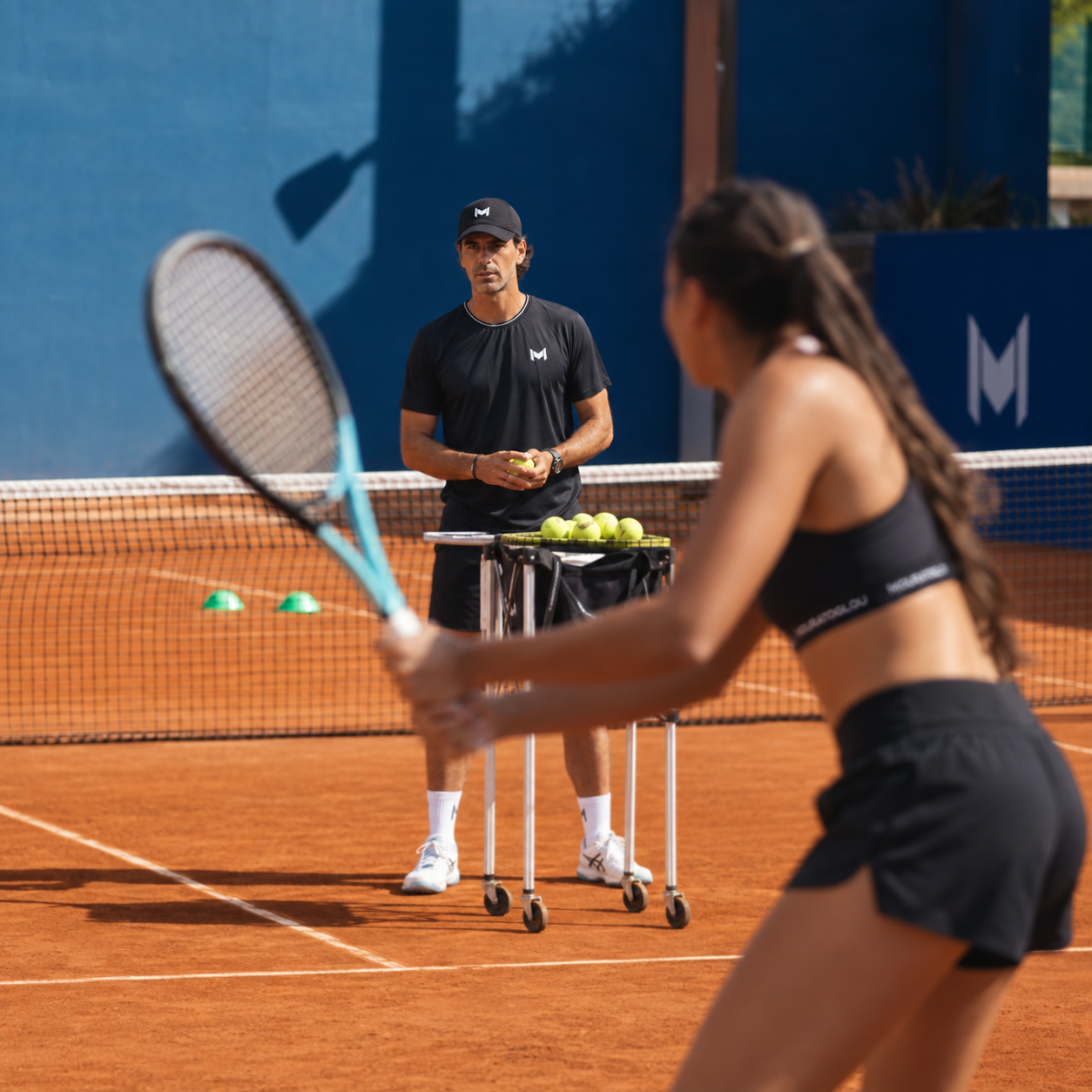
At camp, our coaches alternate practice balls and match balls depending on the drill, at the Player Camp Adult as well as our junior camps.
On the courts of the Mouratoglou Academy on the French Riviera (Biot, near Nice), pressureless balls are used mainly for feeding baskets, where their consistent bounce is a real asset. In the Mouratoglou Method, the equipment adapts to the player: a beginner progresses faster with a predictable ball. Explore our tennis camps to put this into practice.
How to store and use pressureless balls
A pressureless ball never goes flat, but its felt wears. The bounce stays stable; what changes is the surface: smooth felt slides on the strings and takes spin less well.
- Keep them dry: moisture makes the felt heavy and the ball slower.
- Rotate your balls: use the whole bucket, not the same six balls every time.
- Remove bald balls from spin drills: they distort the feel of topspin and slice.
- Keep them for drills: for matches, go back to livelier pressurised balls.
For young children, progression starts with slower balls (mini-tennis balls) and a racquet sized to the child.
Frequently asked questions
How long does a pressureless tennis ball last?
Usually several months: its bounce does not drop, so it is the wear of the felt that ends its life. On hard courts and with heavy use, the felt wears faster than on clay.
Can you play a match with pressureless balls?
Yes for a friendly match, as long as you adjust to their harder feel. In official competition, you play with the pressurised balls supplied by the organiser.
Are pressureless balls slower?
Not really: their speed is comparable, but they feel heavier and less lively when new. They are nothing like red or orange balls, which are designed to be slower.
Are pressureless balls bad for your arm?
They are harder to the touch, so more demanding for a sensitive arm. If your elbow hurts, alternate with pressurised balls and avoid long sessions with new balls.
Which balls are used for drills at a tennis camp?
Coaches switch depending on the goal: pressureless balls or baskets for technical repetition, new pressurised balls for match play and points. At the Player Camp Adult you use both, which helps you feel the difference in speed and spin and adjust your stroke accordingly.