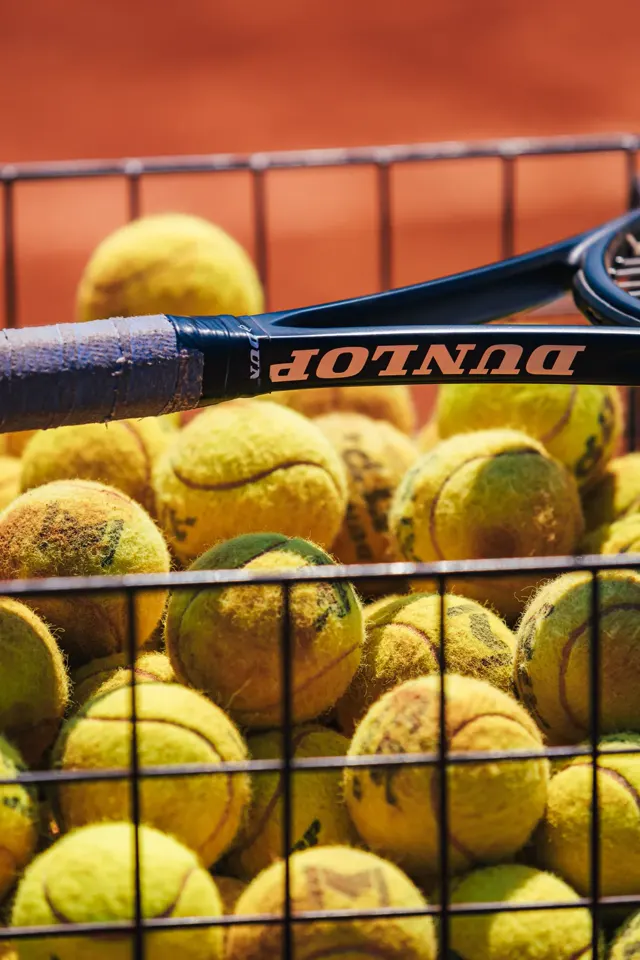
Equipment · Balls
Mini tennis balls: the ideal tool for learning and progressing
Mini tennis balls are slower, softer versions of the yellow ball, grouped into three colour stages: red (75% slower), orange (50% slower) and green (25% slower). Each colour matches an age, a level and a court size. They let children rally from their first sessions and build sound technique.

Key takeaways
- Red: roughly ages 5 to 8, 75% slower, on a small court about 11 m long.
- Orange: roughly ages 8 to 10, 50% slower, on a court about 18 m long.
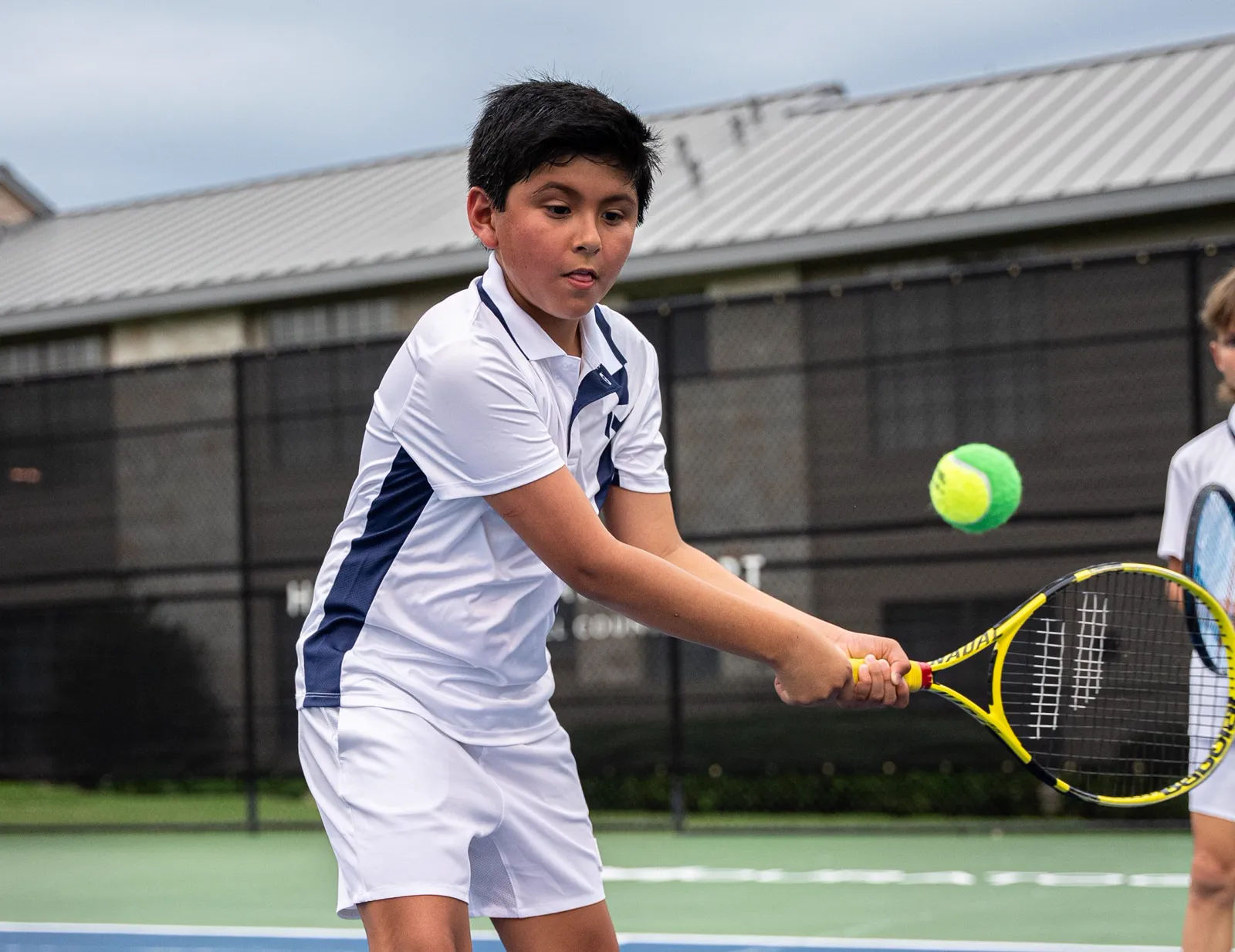
- Green: roughly ages 9 to 10 and over, 25% slower, on the full court.
- Age is only a guide: children move up a colour according to their level, not their birthday.
- Before red: the foam ball, for toddlers.
What is a mini tennis ball?
A mini tennis ball is a slower, lighter version of the yellow ball. It is made of felt-covered rubber with lower pressure, or of foam for toddlers. It bounces lower and travels more slowly: the child has time to get into position, prepare the stroke and hit at a comfortable height, around the waist rather than above the head.
These balls are at the heart of mini tennis, the version of the game adapted for children: smaller courts, lower nets, shorter racquets. The colour system was rolled out by the International Tennis Federation (ITF) and is the reference in clubs and junior competitions alike.
Red, orange, green: what level does each colour mean?
| Ball | Speed vs yellow ball | Typical age | Court | Racquet |
|---|---|---|---|---|
| Red | 75% slower | 5 to 8 | About 11 m x 5.5 m | 19 to 23 in |
| Orange | 50% slower | 8 to 10 | About 18 m x 6.5 to 8 m | 23 to 25 in |
| Green | 25% slower | 9 to 10 and over | Full court | 25 to 26 in |
The red ball (beginner)
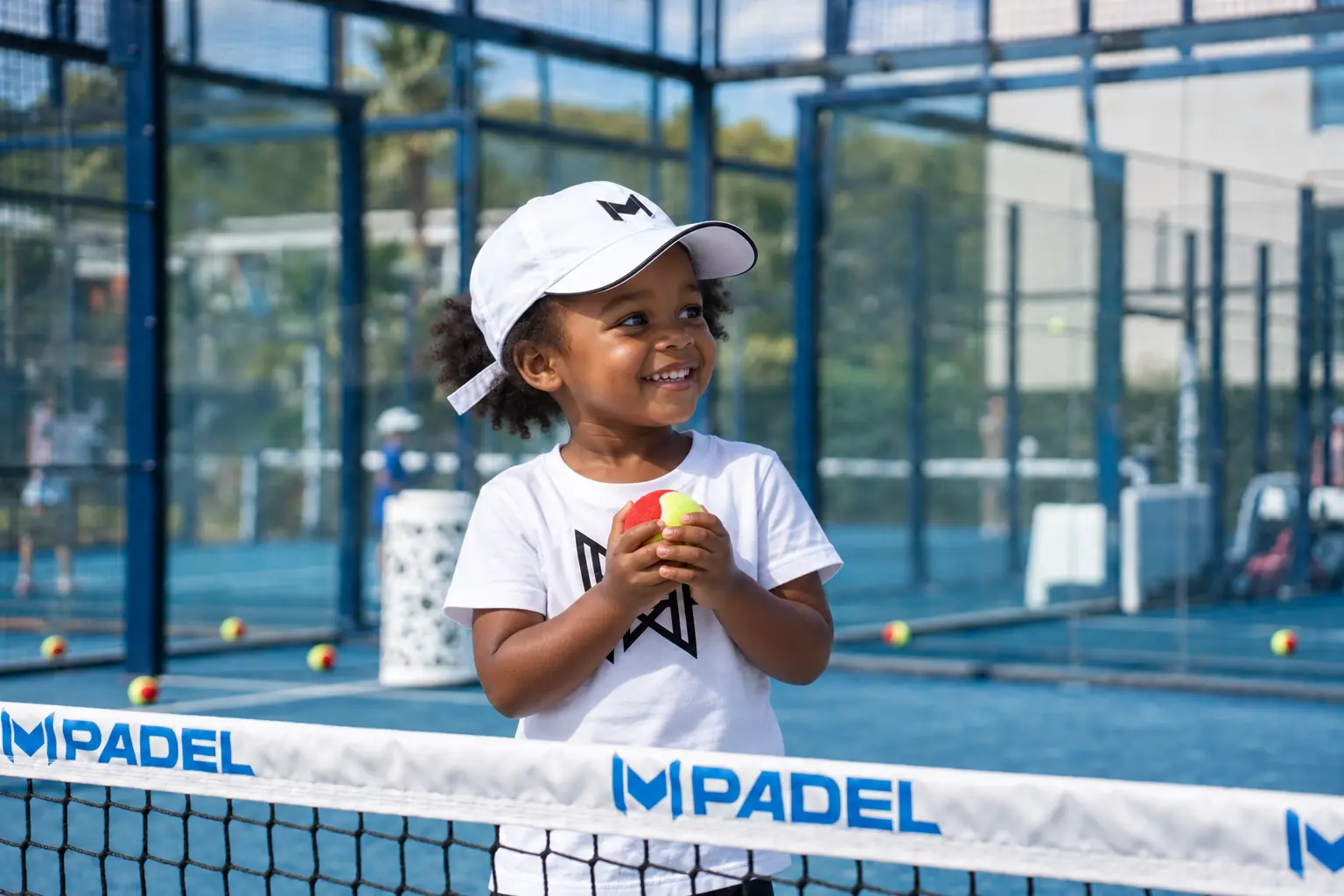
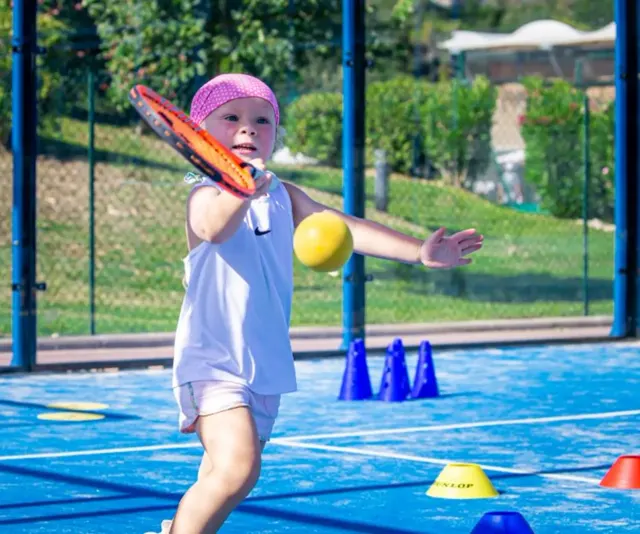
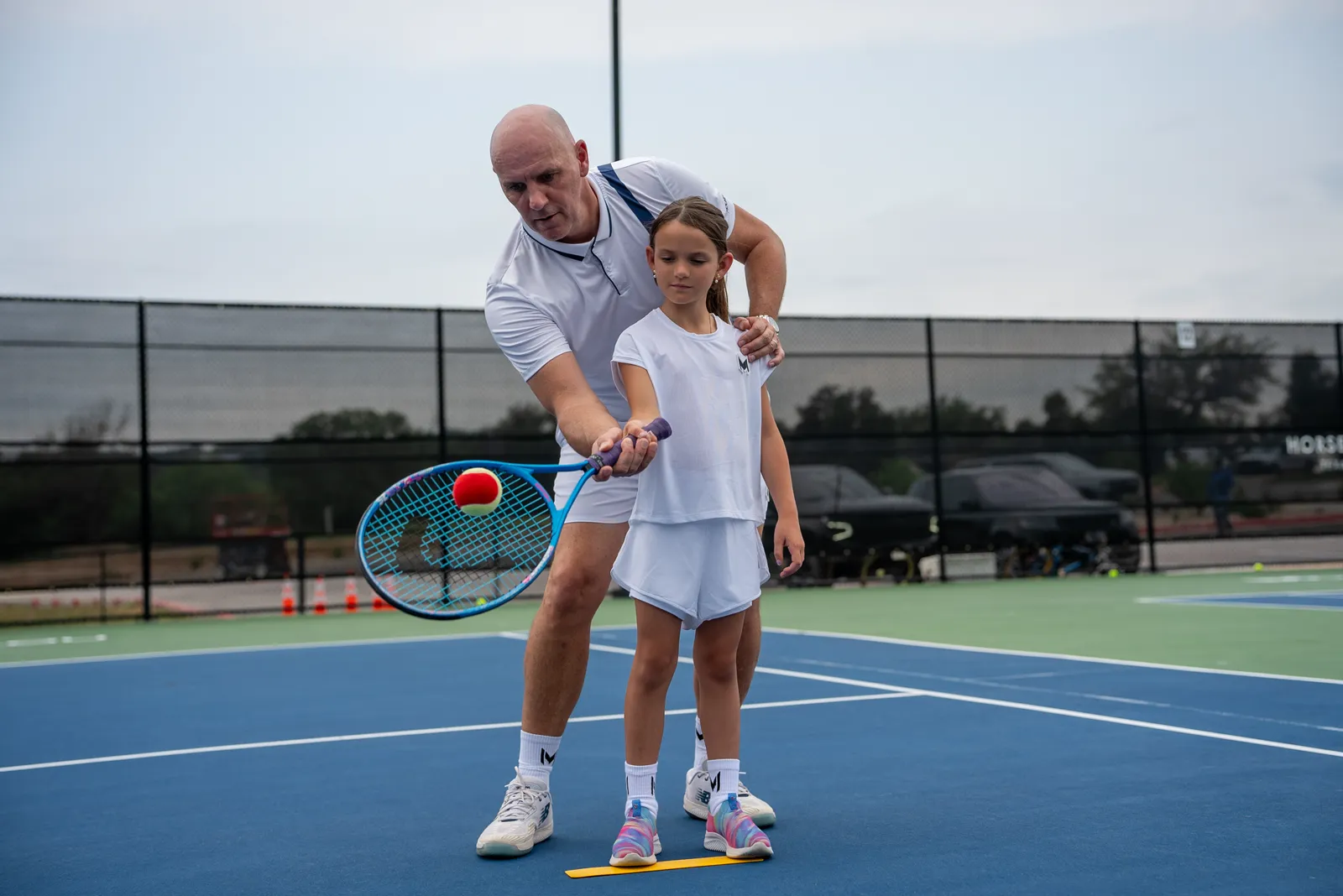
This is the ball for first rallies, for the youngest players or complete beginners. Very soft and very slow, it is played on a small court (often a quarter of a full court, across its width) with a lower net. The goal: make contact, direct the ball and keep the rally going.
The orange ball (intermediate)
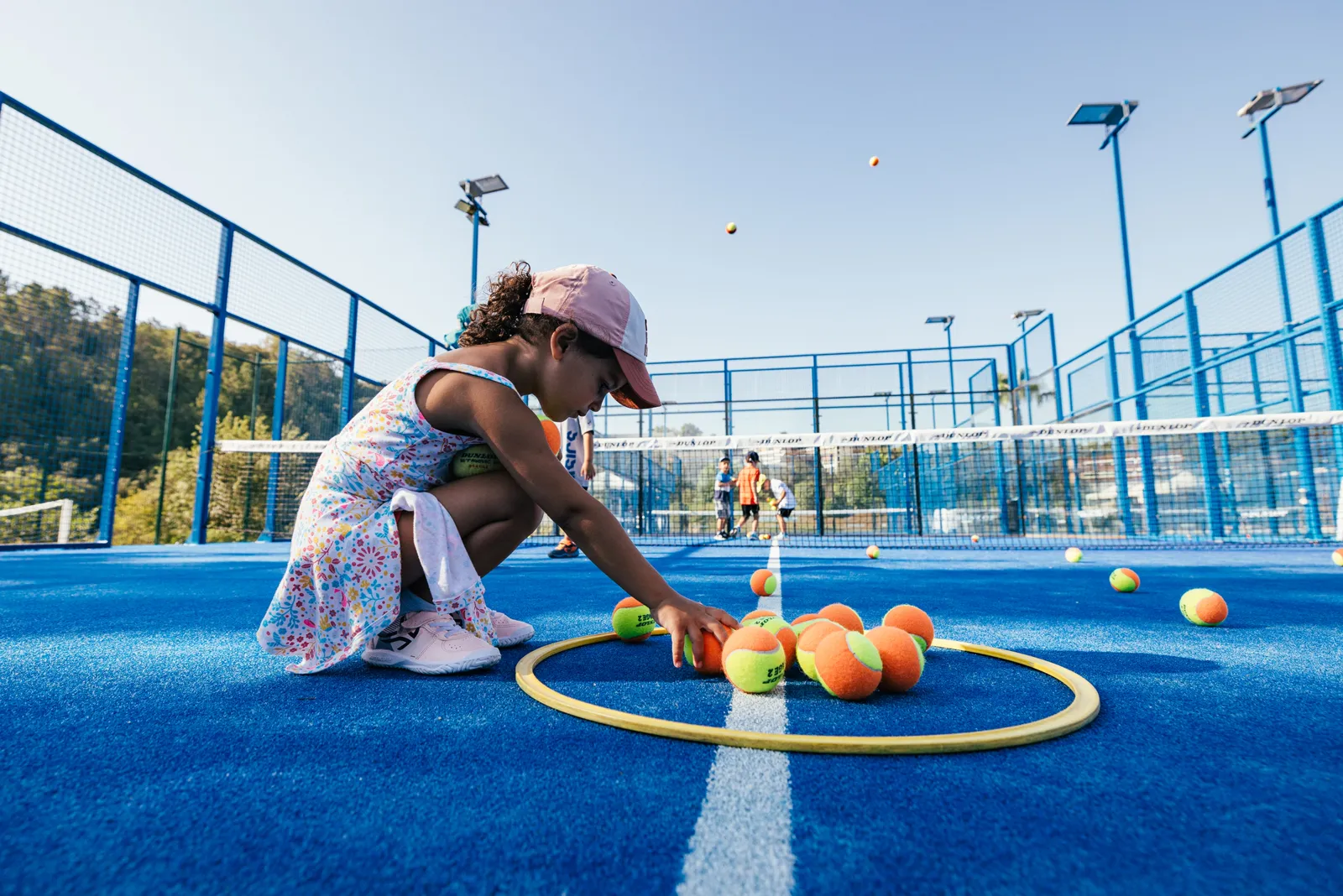
Half the speed of a yellow ball, it is played on a mid-size court about 18 m long. Children learn to control depth, vary their trajectories and begin to serve properly.
The green ball (advanced)
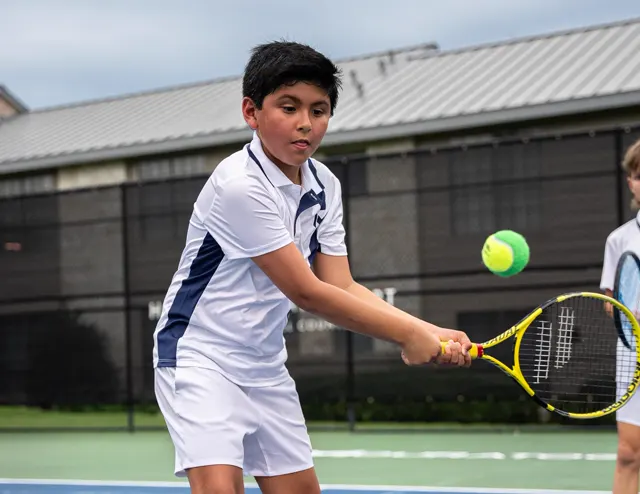
Only 25% slower, it is played on the full court. It is the last stage before the yellow ball: children play a game close to adult tennis, with a slightly lower bounce and a slightly slower ball.
Why use special balls for children?
- Easier learning: with more time, children learn good footwork and good strokes, instead of defending against a fast ball bouncing over their heads.
- Longer rallies: longer rallies build hand-eye coordination, movement and stamina.
- Confidence: children succeed with their shots, enjoy themselves and want to come back.
- Real tennis: serving, rallying and scoring points, children discover the whole game on their own scale.
 Ages 6–17MorningsAll levelsPlayer Camp JuniorFun and demanding tennis mornings to make progress during the holidays.DISCOVER
 How do you choose the right mini tennis balls?
- Start from the child’s level: a true beginner starts with red, even at 8 or 9.
- Match the court available: red on a small court, orange on a mid-size court, green on a full court.
- Pair it with the right racquet: racquet length follows ball colour. See our guide to kids’ tennis racquets.
- Watch for the signs: when a child can sustain long rallies, serve properly and hits too hard for the ball, they are ready for the next colour.
For the very youngest (3 to 5), we start even before the red ball, with a foam tennis ball. For an overview of every ball, read our guide to choosing tennis balls.
At the Mouratoglou Academy, the Baby Tennis Camp introduces the youngest to tennis with these adapted balls, before they move on to our junior camps.
This is exactly the logic we apply at the Mouratoglou Academy on the French Riviera (Biot, near Nice): in Baby Tennis and in our junior camps, the ball, the court and the child’s racquet change together, at each child’s pace. It is a core idea of the Mouratoglou Method: adapt the equipment to the player, not the other way round. A child who rallies comfortably learns technique, tactics and enjoyment at the same time, and that is what keeps them on court for years. When the time comes, our guide to tennis balls helps you move on to green and then yellow balls.
Frequently asked questions
At what age do children start with mini tennis balls?
Usually around age 5 with the red ball, after a first introduction with a foam ball. An older child who is just starting also begins with red while learning the basics.
What is the difference between red, orange and green balls?
Speed and bounce: red is 75% slower than a yellow ball and played on a small court, orange 50% slower on a mid-size court, green 25% slower on the full court.
What do the colour levels mean in tennis?
They are the stages children progress through: red, orange, then green, before the yellow ball. Each stage combines a ball, a court size and a racquet length suited to age and level.
Are mini tennis balls used in competition?
Yes: junior competitions are played with the ball for the age group, red, orange or green. They let children play real matches from a very young age.
How do I know if my child is ready for the next ball?
When they rally consistently with their current ball, serve into the box and start varying height and direction, they are ready. If they keep hitting too high or get rushed by the bounce with the next ball, it is worth waiting. The coach makes that call with ball in hand: it is something we assess on day one of the Player Camp Junior.