Preparation · Health
Tennis injuries: preventing them and managing your comeback
Most tennis injuries are overuse injuries: tendinitis and shoulder, back or elbow pain caused by repeating the same movements on one side of the body. You prevent them with a relaxed technique, compensatory strength work, a healthy lifestyle and suitable equipment. Any persistent pain should be examined by a health professional.
Key takeaways
- An asymmetric, repetitive sport: tennis loads the same areas, on one side, over and over; that is the main cause of injuries.
- Commonly affected areas: shoulder, lower back, elbow, wrist, ankles and hips.
- 4 pillars of prevention: technique, physical preparation, lifestyle, equipment.
- Equipment: string tension that is too high or a string that is too stiff is a classic tennis elbow factor.
- Return to play: gradual and supervised by the medical team; rushing back is the first cause of relapse.
Why are tennis injuries so common?
An injury is damage to the body caused by an impact. In tennis it is rarely a single impact: the vast majority of injuries come from repeated micro-impacts. Tendinitis, bursitis and shin splints are multifactorial injuries, largely caused by repeating the same movement many times.
Like all racquet sports, tennis is asymmetric: it does not load muscles, joints and tendons the same way on the left and right. The same areas work again and again, which creates imbalances.
| Area | Common problems | Typical factors |
|---|---|---|
| Shoulder | Rotator cuff tendinitis | Repeated serves and smashes, muscle imbalance |
| Elbow | Tennis elbow (lateral epicondylitis) | Technique, strings too tight or too stiff |
| Back | Lower back pain | Repeated rotation and extension, asymmetry |
| Wrist | Tendinitis | Very closed grips, tension |
| Ankles, feet | Sprains, foot pain | Footwork, shoes unsuited to the surface |
Managing injuries works on two fronts: prevention, then, if an injury happens anyway, recovery, which can last from a few days for a mild sprain to several months for an injury requiring surgery.
How do you prevent tennis injuries?
1. Technique: relaxation and a personalised stroke
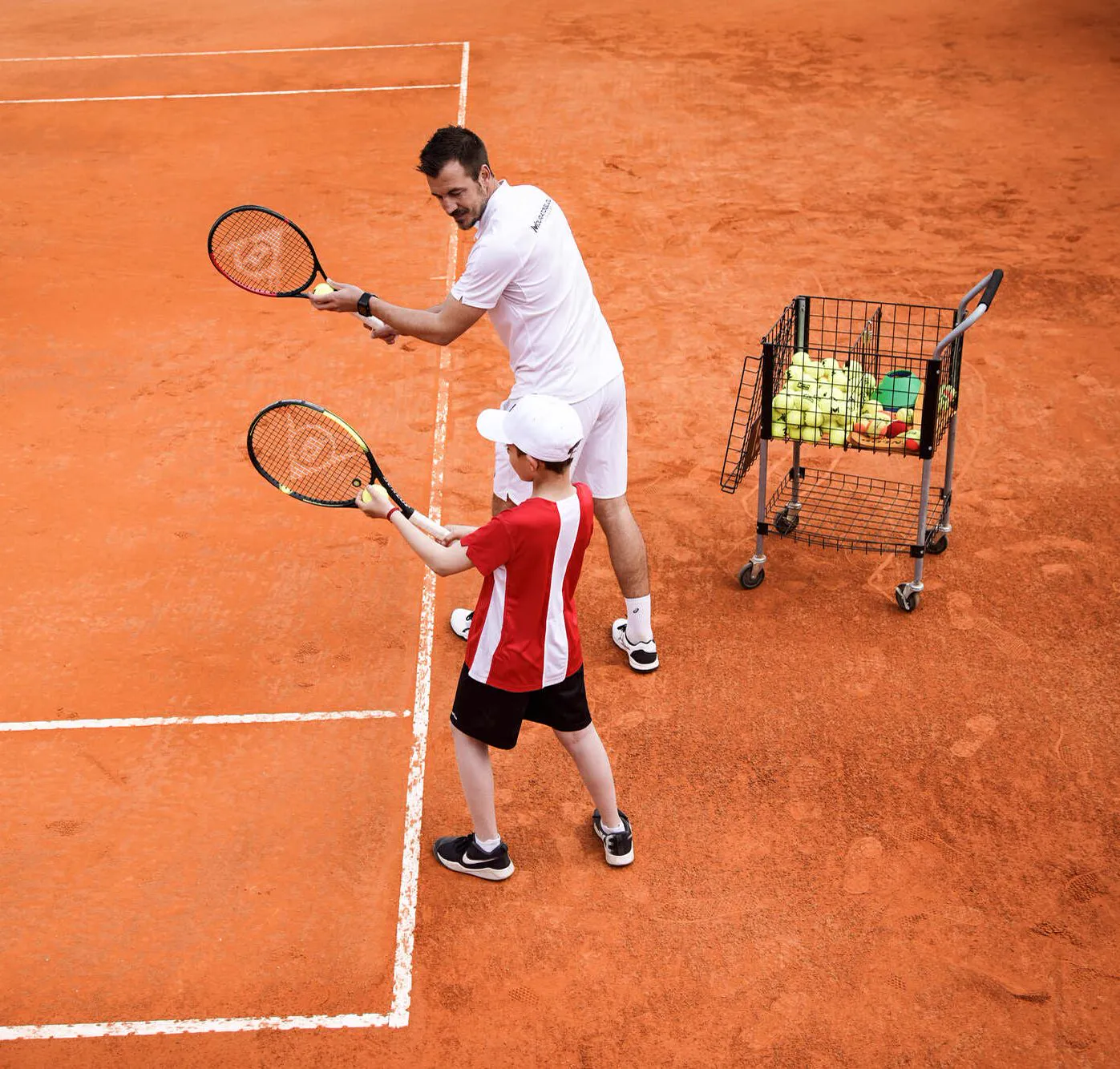
Two keys: muscle relaxation and a technique adapted to you. Relaxation depends on your emotional state, flexibility and the biomechanical quality of the stroke: a relaxed player absorbs fewer impacts (see our relaxation exercises). Technique should also respect your motor preferences (dominant hand, foot, eye): a poorly adapted “textbook” stroke creates needless strain.
2. Fitness: rebalancing the body
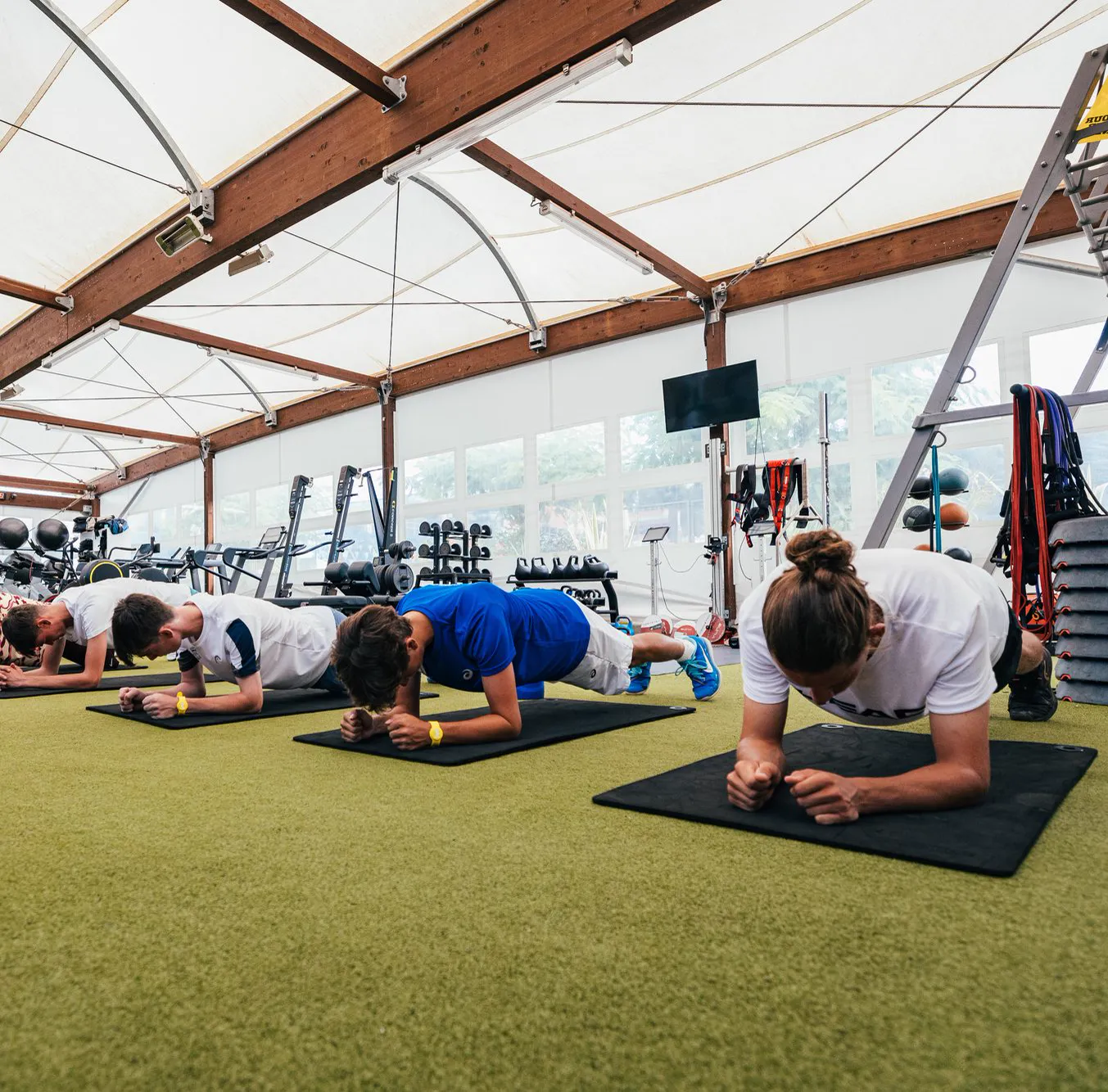
Physical work compensates for the asymmetry of tennis: core work, proprioception, strength training and postural work, with an emphasis on the less-used side and muscles. Good aerobic fitness also limits fatigue, a risk factor late in matches (see MAS training for tennis), and coordination improves the quality of your footwork (see our coordination exercises).
3. Lifestyle
- Hydration: drink regularly through the day, and more during and after exercise.
- Nutrition: varied and balanced, limiting excess sugar and ultra-processed food.
- Sleep: the body recovers during rest; sleep enough, at regular times.
- Warm-up and cool-down: never hit at full power when cold, and cool down after every session.
4. Equipment
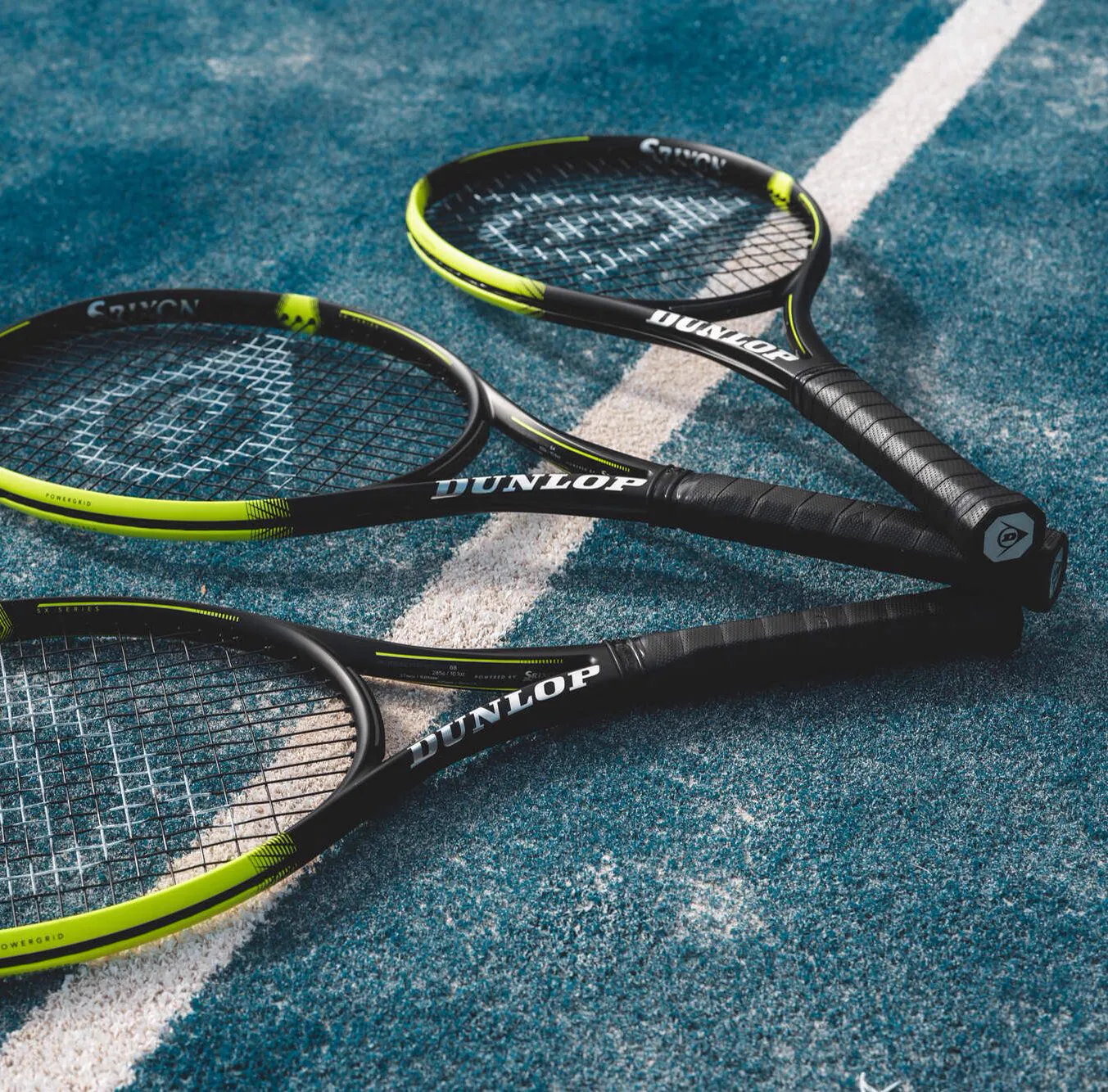
Your racquet (weight, balance, grip size), strings (type, tension) and shoes should match your build and your game. Changing one of these suddenly can cause an injury. Tennis elbow, for example, is often associated with strings that are too tight or too stiff: see our advice on string tension and choosing a racquet for tennis elbow.
When should you stop and see a professional?
General muscle soreness that fades within 1 to 2 days is normal. However, see a doctor or physiotherapist if:
- the pain is localised (a precise point on the elbow, shoulder or wrist);
- it persists for several days or returns every session;
- it forces you to change your stroke;
- it comes with swelling, loss of strength or pain at night;
- it follows an acute incident (twisted ankle, fall).
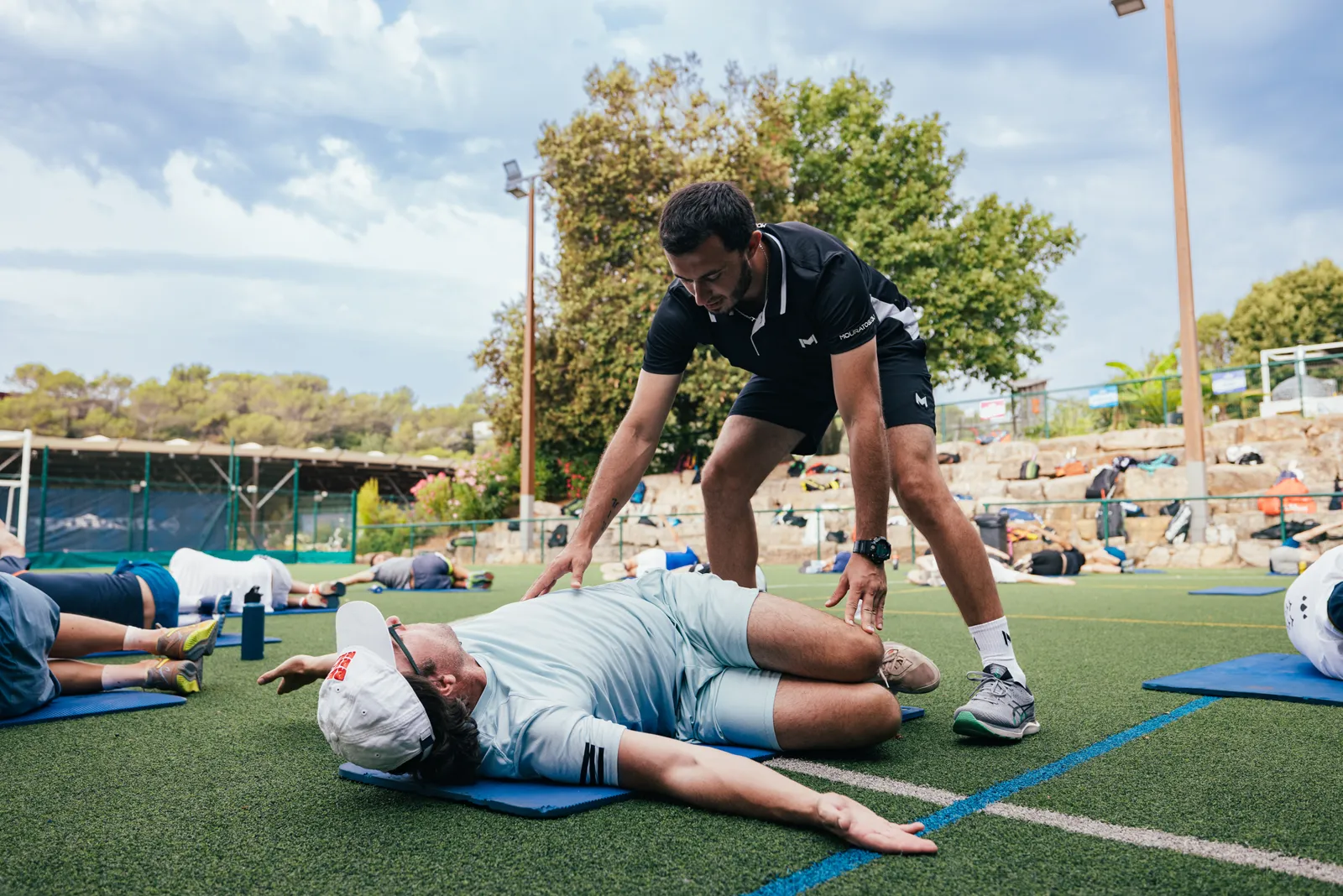
The prevention advice here does not replace medical advice. For an assessment or follow-up, the Academy’s Sports Medical Center brings together doctors, physiotherapists and fitness trainers.
How do you manage the recovery period?
The physical side
After medical treatment, the fitness coach works with the medical staff on a progressive return-to-sport plan, with a timeline adjusted as things evolve. Priorities: heal, protect the player from relapse, then rebuild physical potential. Visualisation is also useful during the break, to maintain strokes and coordination.
The psychological side
A long recovery is hard to live through: uncertainty, time away from the courts, friends and routines. It is important to be well supported, by family and by professionals who can help you manage your emotions and stay motivated on your comeback plan. See also our guide to mental preparation for tennis.
Back on court
Returning to tennis is a delicate phase. Two traps: the urge to play too soon, which risks relapse, and the fear of relapse, which creates apprehension and sometimes pain even once the injury has healed. You also need to accept rebuilding your timing and feel gradually, without chasing your “old level” in the first sessions.
At the Mouratoglou Academy on the French Riviera (Biot, near Nice), the Sports Medical Center supports comebacks in direct contact with the coaches: the Mouratoglou Method adapts training load to each player’s physical condition. See also our advice on staying relaxed, coordination and choosing a racquet for tennis elbow. Discover the academy.
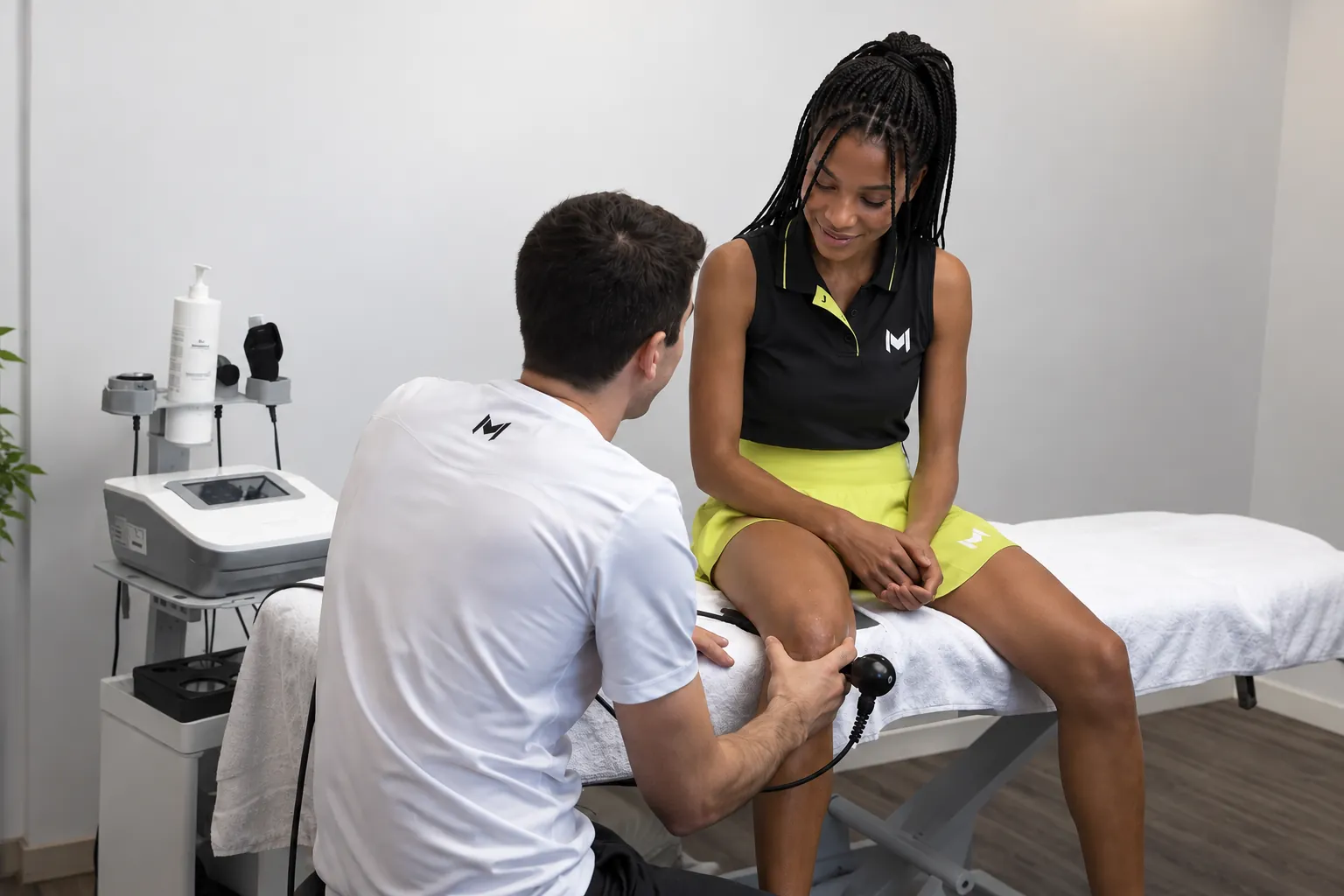 PreventionCareRecoverySports Medical CenterDoctors, physiotherapists and trainers on campus to prevent injuries and recover well.DISCOVER
 Frequently asked questions
What is the most common tennis injury?
Among recreational players, tennis elbow (lateral epicondylitis) is one of the most frequent: pain on the outside of the elbow caused by overuse of the forearm muscles. Shoulder and back pain are also very common.
How do you treat tennis elbow?
Start by seeing a doctor or physiotherapist to confirm the diagnosis. Treatment usually combines relative rest, progressive rehabilitation exercises and fixing the causes (technique, strings, racquet), before a very gradual return to play.
How do you avoid tendinitis in tennis?
Balance effort and recovery, warm up before every session, stay hydrated and use a relaxed technique. Suitable equipment, especially soft strings at moderate tension, also reduces strain on the tendons.
Should you stop playing tennis with shoulder pain?
If the pain is localised, persists or forces you to change your serve, stop serving and get it examined. Playing on a painful shoulder risks making the injury worse.
How do you ease back into tennis after an injury?
With your health professional’s go-ahead, start with short sessions, first mini tennis, then baseline rallies without serves or smashes. Increase duration before intensity and check how the injured area feels the next day. Bring matches back last. At the academy’s Sports Medical Center, physiotherapists and fitness coaches plan this progression with the tennis coaches.