Technique · Forehand
The tennis forehand: a complete technique guide
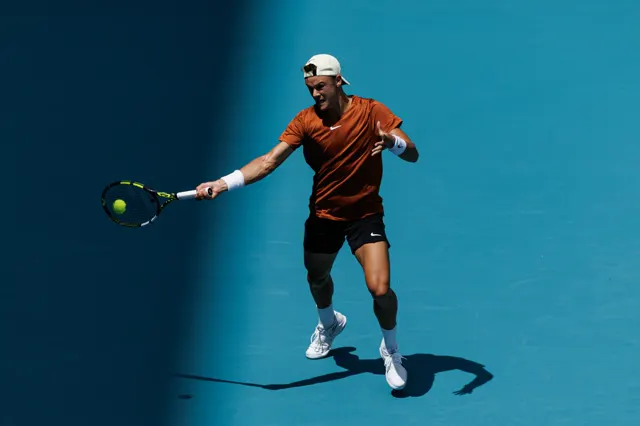
The tennis forehand is the shot played on your dominant-hand side after the bounce. It rests on five stages: the grip, the footwork, the preparation through shoulder turn, contact in front of the body and the follow-through. It is the most played shot in a match and, for most players, the one they use to control the rally.
Key takeaways
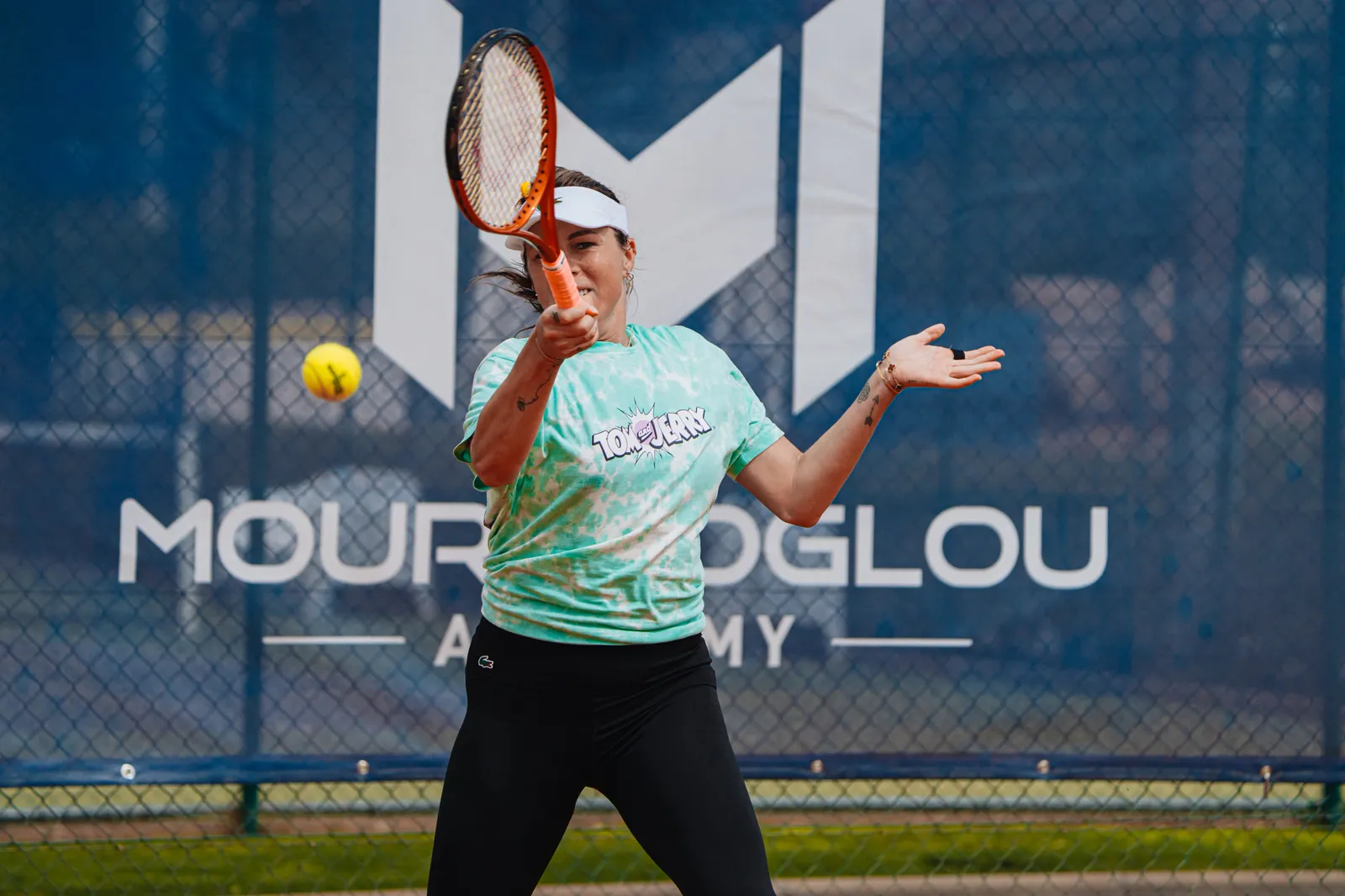
- Definition: a groundstroke played on your dominant-hand side (the right for a right-hander), after one bounce.
- Reference grip: the semi-western, which combines topspin and power; the eastern is ideal for learning.
- Power comes from the body: legs, hips then shoulders; the arm simply transmits it.
- Contact in front, ideally at waist height, with your weight moving forward.
- Three spins: topspin (safety and high bounce), flat (speed), slice (variety and defence).
What is the tennis forehand and why does it matter?
The forehand is the groundstroke played on your dominant-hand side. It is the opposite of the backhand, played across the body: the arm swings freely, in a more natural motion, which is why the forehand is usually the first shot people learn and the most reliable.
In a match it is the shot you play most. Modern players even try to play it more often, running around balls aimed at their backhand to hit a forehand. A good forehand lets you:
- Build the rally consistently, thanks to the margin topspin gives you.
- Take the initiative as soon as a short ball comes along.
- Finish the point with an acceleration or a winner.
Forehand technique in 5 stages
1. The grip
It all starts with the grip. The semi-western (base of the index finger on bevel 4 for a right-hander) is the most common: it lets you hit topspin while keeping power. The eastern (bevel 3) is the most natural for beginners. The full comparison is in our guide to forehand grips.
2. Positioning and footwork
Use small adjustment steps to get the right distance from the ball: not too close (the arm gets cramped), not too far (you hit off balance). Depending on the time you have, hit from an open stance (feet parallel to the net, widely used from the baseline) or a closed or neutral stance (front foot stepping in, useful on slower balls and to move forward).
3. Preparation and shoulder turn
As soon as the ball leaves your opponent’s racquet, turn your shoulders: your free hand goes back with the racquet and points at the ball. This turn stores the energy for the shot. The racquet head then drops below the level of the ball to set up the upward path of topspin.
4. Contact
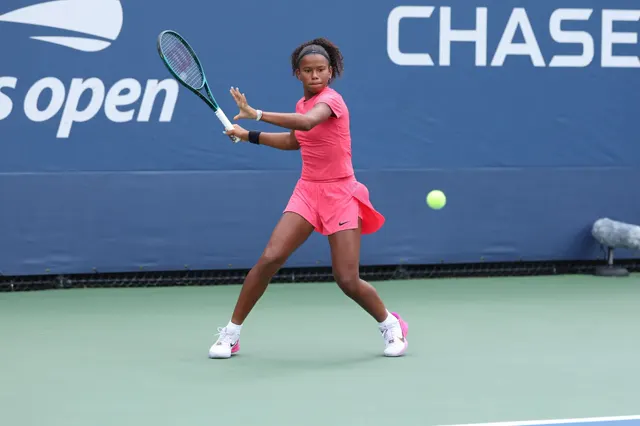
Hit the ball in front of your body, ideally between knee and chest height, with the racquet face perpendicular to the ground. The body uncoils in sequence: legs, hips, shoulders, then arm. Your weight moves from the back leg forward. Keep a relaxed hand: a tight grip slows the racquet head.
5. The follow-through
After contact, the racquet keeps travelling forward, then rises and finishes over the opposite shoulder (or wraps around the body on a heavy topspin shot). Cutting the swing short costs control and depth. We cover this phase in detail in our article on the forehand follow-through.
Topspin, flat or slice: the 3 types of forehand
The same basic swing produces three different shots, depending on the racquet path and the angle of the face.
| Type | Racquet path | Effect on the ball | When to use it |
|---|---|---|---|
| Topspin | Low to high | Dips, then bounces high | Baseline rallies, safety, pushing the opponent back |
| Flat | Forward, almost horizontal | Fast ball, low bounce | Attacking a short ball, winners |
| Slice | High to low, open face | Slow ball that skids low | Defence, change of pace, approach shot |
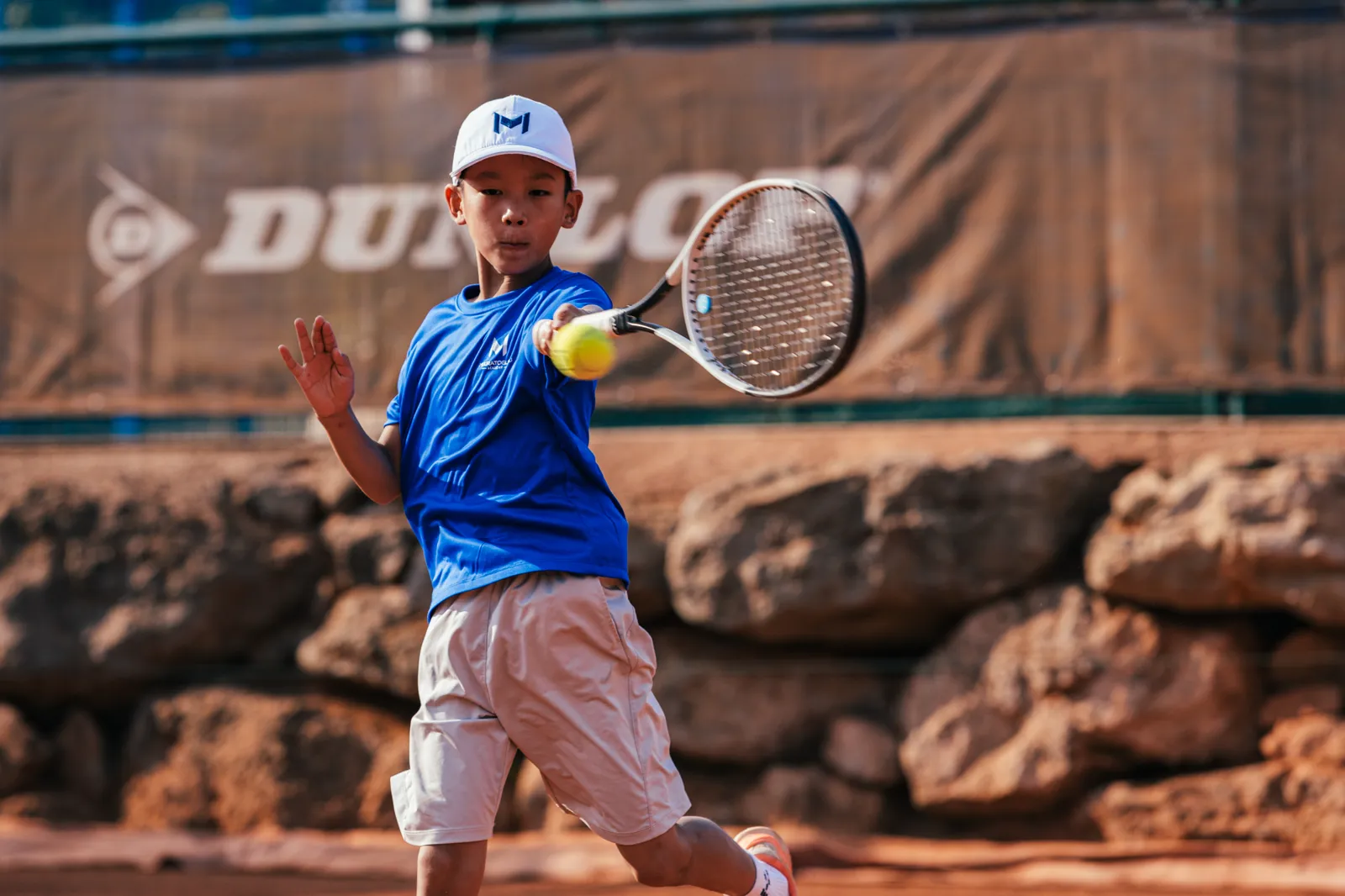
How do you hit a topspin forehand? Use a semi-western or western grip, let the racquet head drop below the ball during the preparation, then brush up the back of the ball at contact. The steeper the swing path, the more the ball spins, and the higher it can clear the net while still landing in.
Adapting your forehand to match situations
A complete forehand is not just about rallying from the middle of the court. Each situation needs its own adjustments:
- On a short ball, move in and take it early: that is the attacking forehand.
- On a ball to your backhand, run around it to hit a forehand: see the inside-out forehand.
- When pulled wide, play safe: our article on the forehand on the run covers your options.
- On a high-bouncing ball, raise your contact point or step into the court: see the high-ball forehand.
 AdultsFull daysAll levelsPerformance Camp AdultA week of intensive tennis, 4 players per coach: technique, match play, physical and mental training.DISCOVER
 The most common mistakes and how to fix them
| Mistake | Result | Fix |
|---|---|---|
| Late preparation | Contact behind the body, ball sprays right (right-hander) | Turn the shoulders as soon as the ball leaves the opponent’s racquet |
| Hitting with the arm only | Little power, tired elbow and shoulder | Start the swing with the legs and hips |
| Too close to the ball | Cramped arm, short swing | Small adjustment steps, keep an arm’s length |
| Cutting the follow-through | Lack of depth and control | Finish the racquet over the opposite shoulder |
| Tight hand | Loss of racquet-head speed | Grip pressure at 3 or 4 out of 10 |
| Looking up too early | Off-centre contact | Keep your head still until after contact |
Drills to improve your forehand
- Topspin mini-tennis: slow rallies inside the service boxes, exaggerating the upward swing. Goal: feel the brushing action.
- Cross-court from the baseline: 10 minutes of cross-court forehands, with a target beyond the service line. Goal: depth and consistency.
- Cross-court / down-the-line: one cross-court, one down the line, with the same preparation to stay unpredictable.
- Short ball and attack: your partner alternates a deep ball and a short one, which you attack moving forward.
- Shadow swings in front of a mirror: 3 sets of 20 swings without a ball to groove the preparation and follow-through.
Younger players progress faster with suitable balls and games: our Player Camps Junior include these drills from age 6.
This is how we work on the forehand at the Mouratoglou Academy: the Mouratoglou Method does not look for a single model stroke, but for the most effective forehand for your body and your game. To go further, read our guide to the forehand follow-through and all our tennis technique guides.
Frequently asked questions
Why is it called a forehand?
Because the shot is played on the player’s natural, dominant side, with the palm of the hand facing forward as it meets the ball. It is the opposite of the backhand, played across the body with the back of the hand leading.
How do you hit topspin on a forehand?
Use a semi-western or western grip, let the racquet head drop below the ball as you prepare, then swing low to high, brushing up the back of the ball. Topspin makes the ball dip after the net and bounce higher, pushing your opponent back.
Should I hit from an open or a closed stance?
Both. The open stance is the most common from the baseline, because it lets you hit quickly and recover fast. The closed or neutral stance is useful on slower balls, to move into the court and transfer your weight forward.
How can I hit a more powerful forehand?
Power comes from the chain of body segments: leg drive, hip rotation then shoulder rotation, and a relaxed arm. Trying to hit harder with the arm alone mostly costs control and tires the elbow.
At what age should children learn the forehand?
From the very first lessons, in mini-tennis, with slower balls suited to their age. Children first learn positioning and the contact point; topspin comes naturally as the swing lengthens.