
COACHING CORNER · TECHNIQUE
Tennis technique: our coaches’ guide
Grips, forehand, backhand, serve, volley, footwork and tactics: 37 guides to understand each stroke, fix your mistakes and play better in matches.
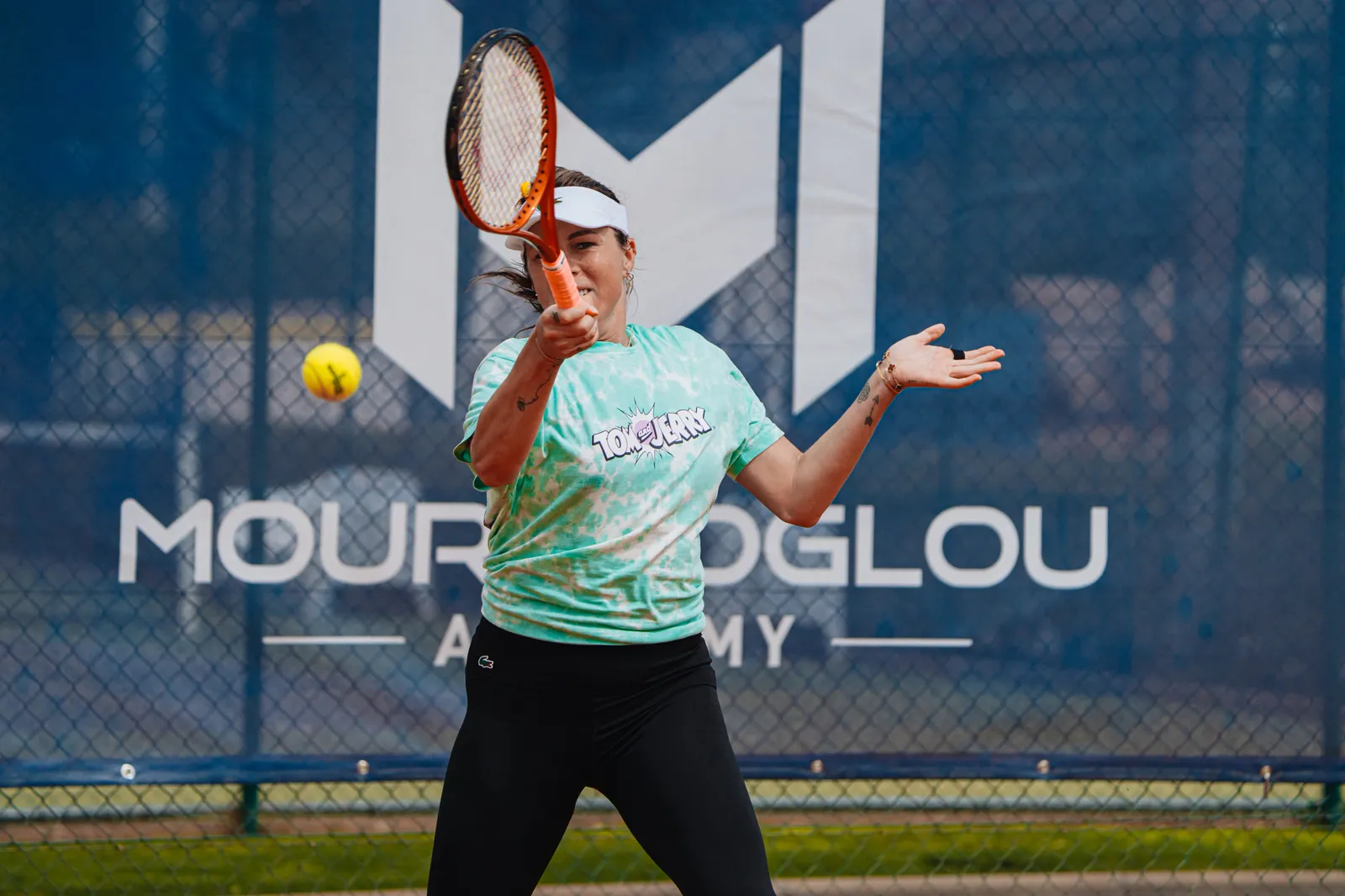
Grips
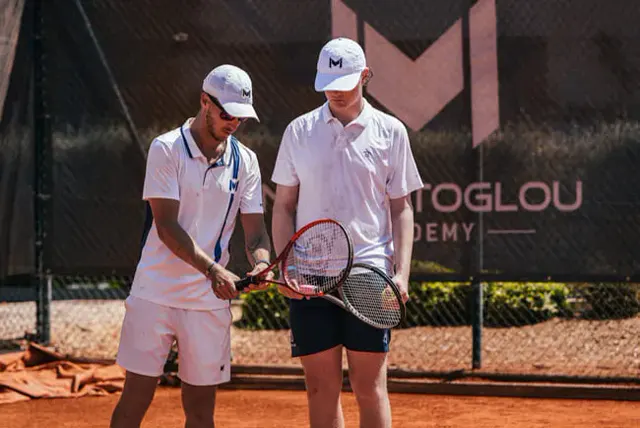 Technique · Racquet gripsThe hammer grip in tennisWhere to place your hand on the handle, and which shots it is made for: serve, volley, slice, smash and drop shot.
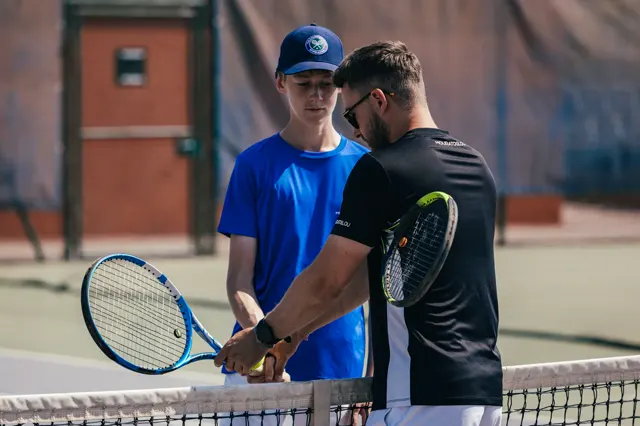 Technique · Racquet gripsThe continental grip in competitionServe, volley, slice, smash and block return: how competitive players use the continental grip and its fine adjustments.
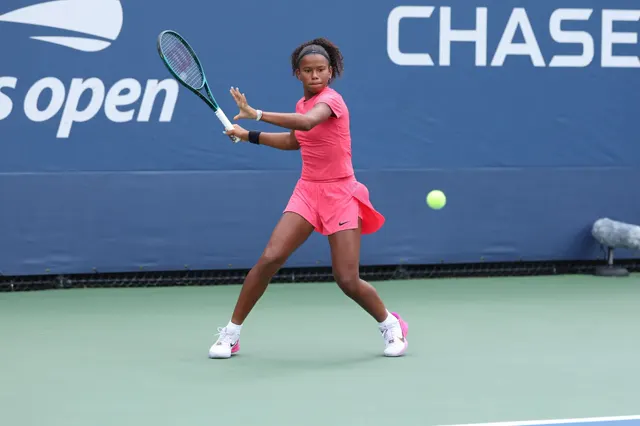 Technique · ForehandWhich grip for your forehand?Continental, eastern, semi-western, western: where they sit on the handle, what they do and how to choose your forehand grip.
Forehand
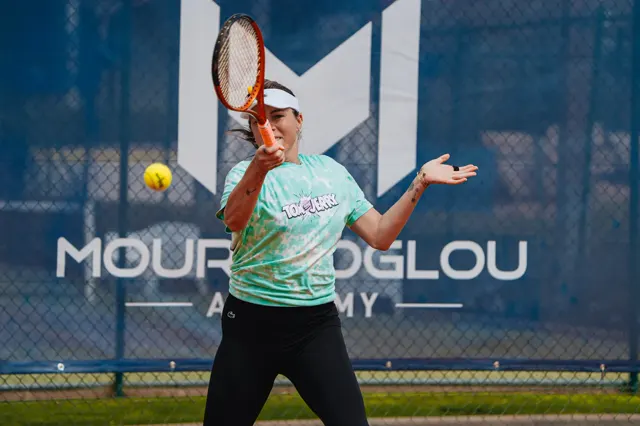 Technique · ForehandThe tennis forehand: the guideGrip, footwork, preparation, contact, follow-through: forehand technique step by step, its spins and the mistakes to fix.
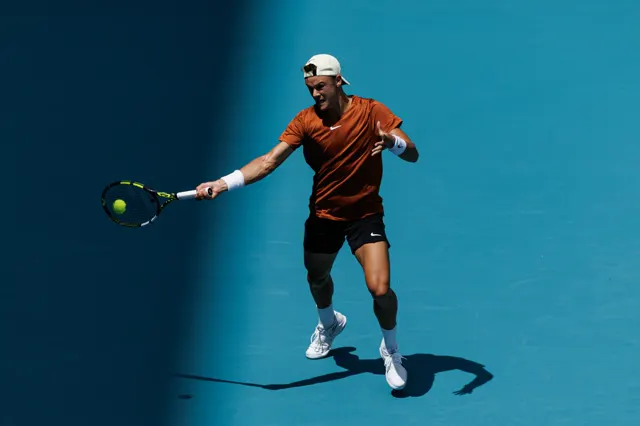 Technique · ForehandThe forehand follow-throughWhere to finish the racquet for each spin, how the body follows through and the mistakes that cost you depth and control.
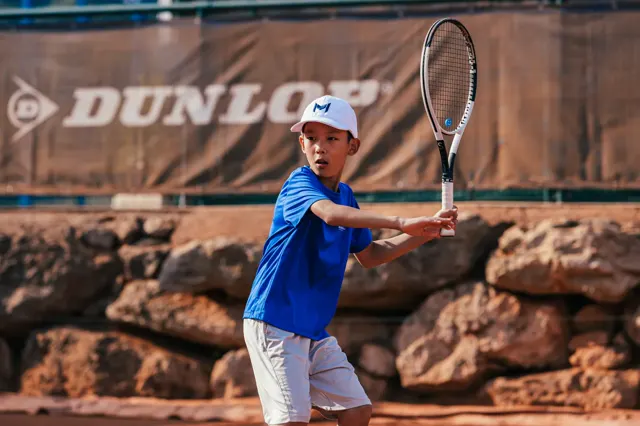 Technique · ForehandThe attacking forehandWhen to attack, how to move in and take the ball early, where to aim: the method for turning a short ball into a point won.
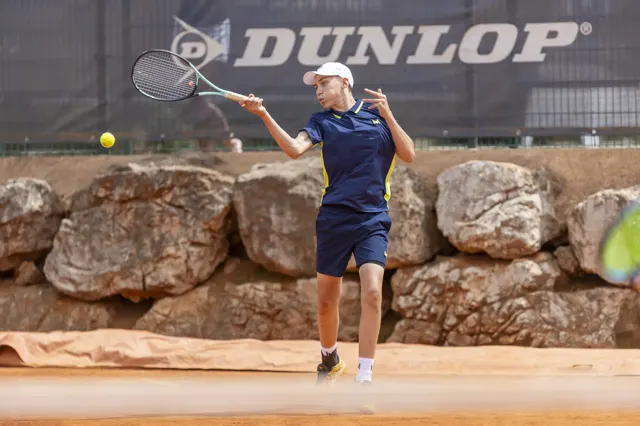 Technique · ForehandThe high-ball forehandStep back, move in or hit high? The grip, swing and tactical choices that turn a high ball into a chance to attack.
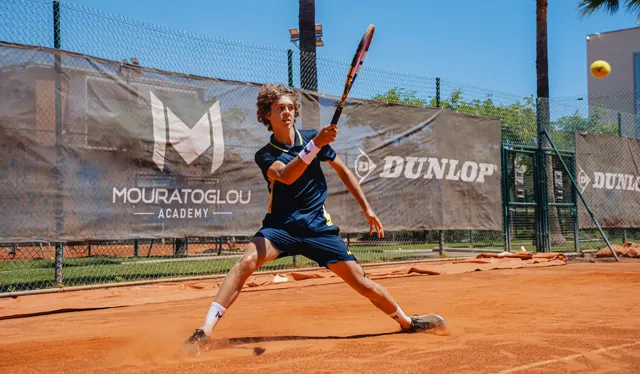 Technique · ForehandThe forehand on the runMovement, footwork, swing and shot choice: how to stay in the rally, or even counter-attack, when your opponent stretches you wide.
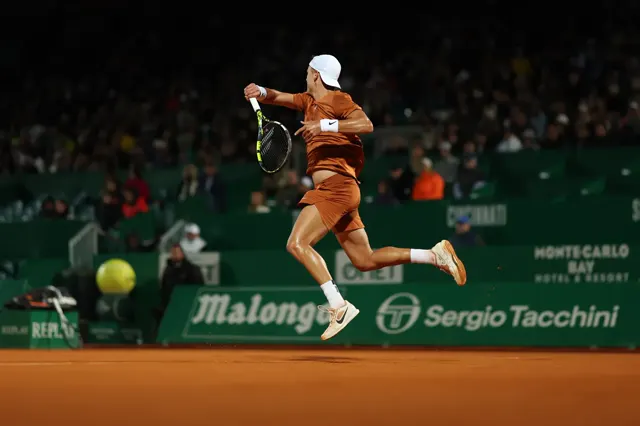 Technique · ForehandThe inside-out forehandRunning around your backhand to hit a forehand: footwork, inside-out or inside-in direction, key moments and mistakes to avoid.Technique · PowerHow to hit harder without forcingRelaxation, legs, rotation and racquet-head speed: where power really comes from, and how to develop it.Technique · SpinPower vs spin: topspinSwing path, brushing, grip: how topspin works, and how to balance power and spin for each situation.
Backhand
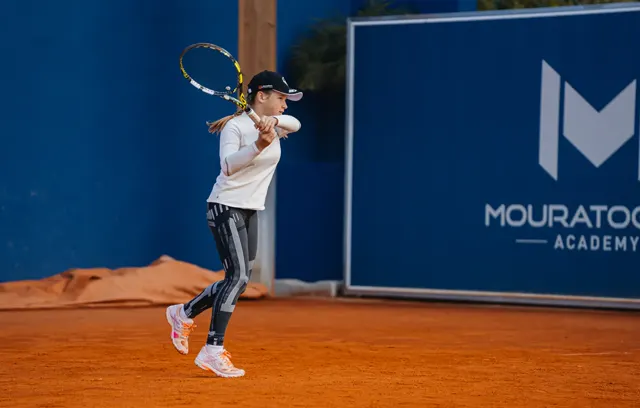 Technique · BackhandPreparing your two-handed backhandThe grip with both hands, the shoulder turn and your set-up: everything that happens before contact on a two-handed backhand.
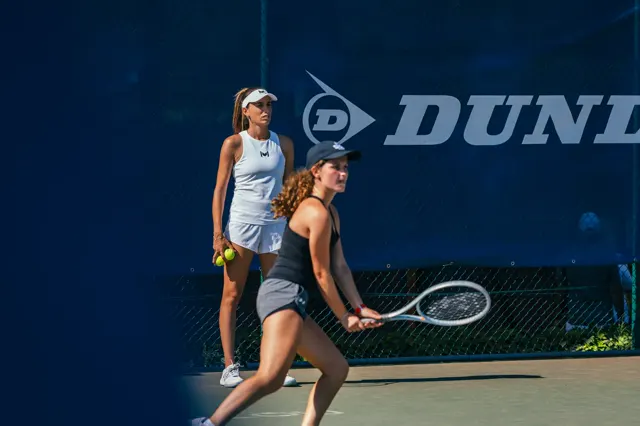 Technique · BackhandHitting a clean two-handed backhandContact point, weight transfer, the role of each hand: how to hit a powerful, accurate two-handed backhand.
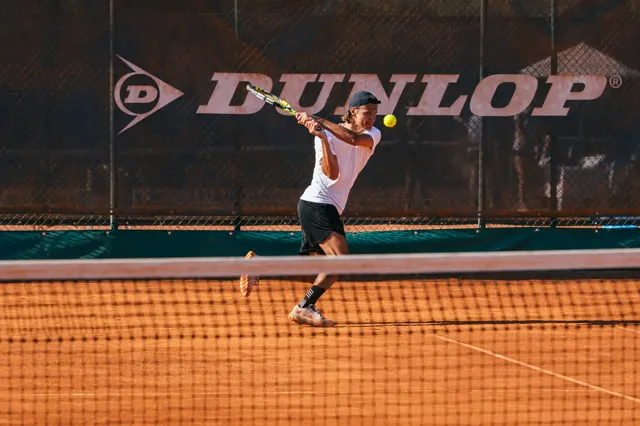 Technique · BackhandThe two-handed backhand follow-throughDo not brake, keep both hands on, finish over the shoulder: the keys to an effective two-handed backhand follow-through.
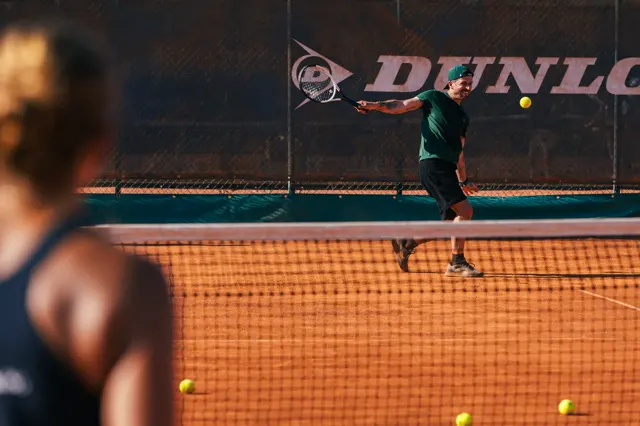 Technique · BackhandPreparing your one-handed backhandGrip, shoulder turn, free hand, set-up: how to prepare a fluid and powerful one-handed backhand.
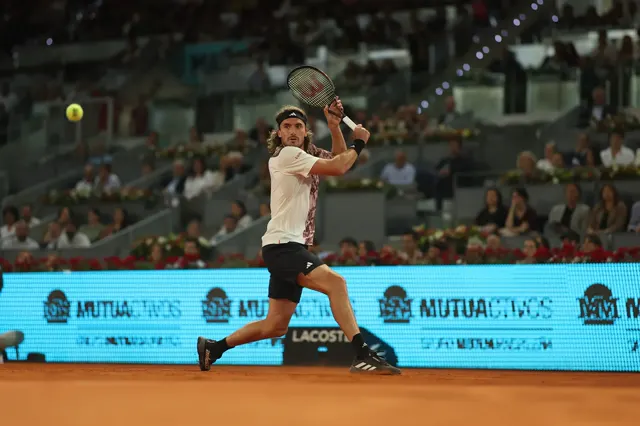 Technique · BackhandHitting a one-handed backhandGrip, contact point, weight transfer and finish: the keys to a solid one-handed backhand stroke.
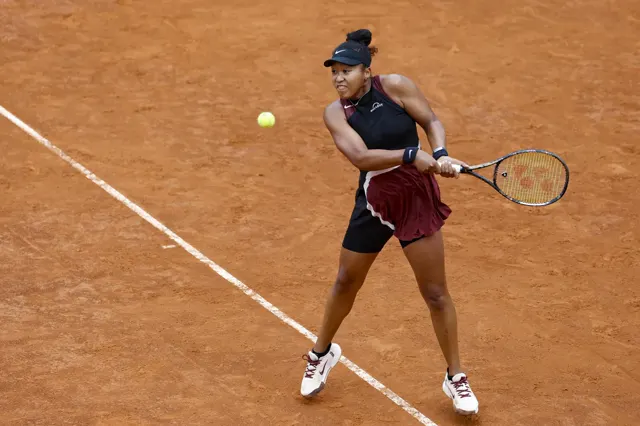 Technique · BackhandMastering the attacking backhandGrip, footwork, contact and choosing the moment: how to turn your backhand into an attacking shot.Technique · BackhandThe slice backhandContinental grip, shoulders side-on, a high-to-low swing that travels forward: how to slice well, and when.Technique · BackhandOne- or two-handed backhandStability, reach, variety: the strengths and weaknesses of each backhand, and how to choose for your profile.
Serve and return
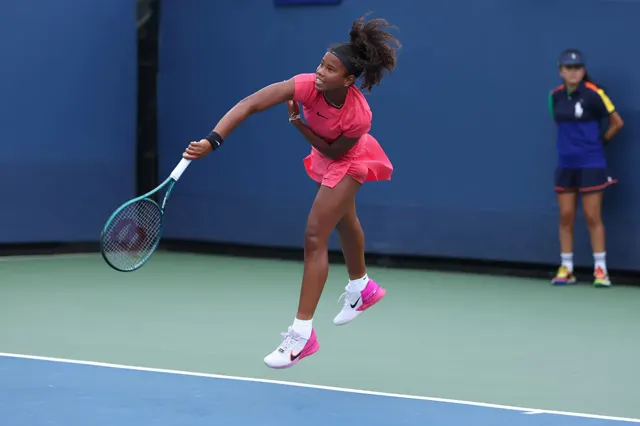 Technique · ServeTennis serve techniqueStance, toss, trophy position, contact and follow-through: the 6 steps of an effective serve, and how to hit flat, slice or kick.
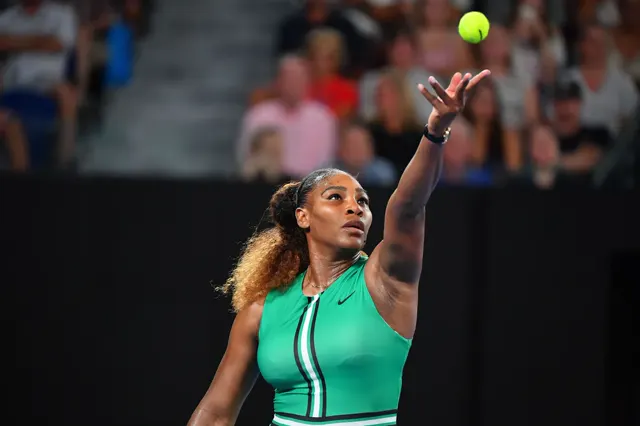 Technique · ServeThe kick serveToss, brushing, pronation: how to build a reliable kick serve and secure your second serve.
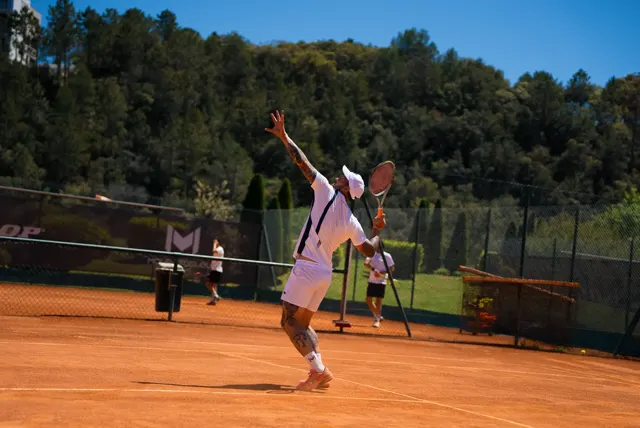 Technique · ServeHow to serve fasterLegs, rotation, relaxation and pronation: where serve speed comes from, and what club players can copy from the pros.
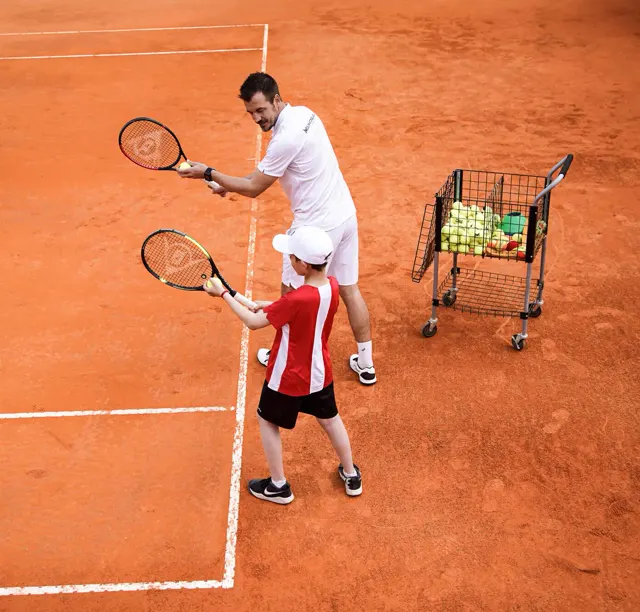 Technique · ServeThe serve starting positionWhere to stand behind the line, how to point your feet and body, and which rules to respect before you serve.Technique · ServeThe serve: the trophy positionTossing arm, elbow, shoulders, racquet, legs: the checkpoints of a good trophy position, the moment that loads all the power of the serve.
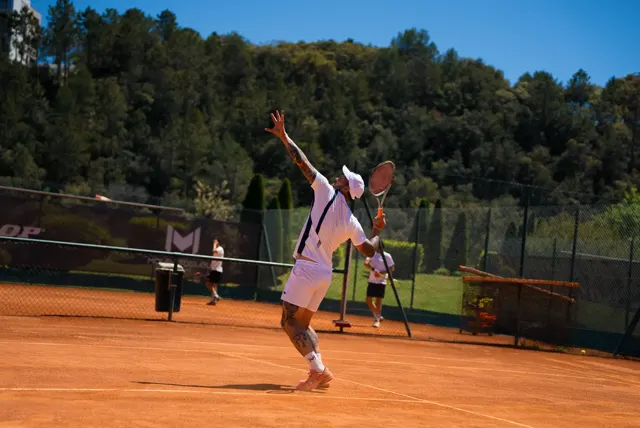 Tactics · DoublesThe Australian formation in doublesPositioning, signals and movement: how the Aussie formation works in doubles and when to use it.
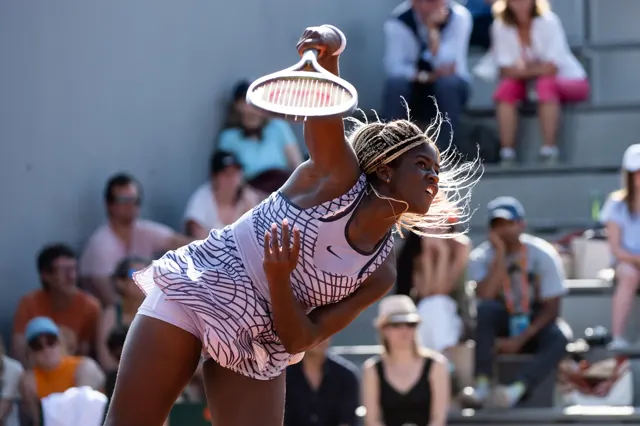 Tactics · ServeServe and volley in tennisWhich serve to hit, how to move in, where to split-step and where to put the first volley: the serve-and-volley method.
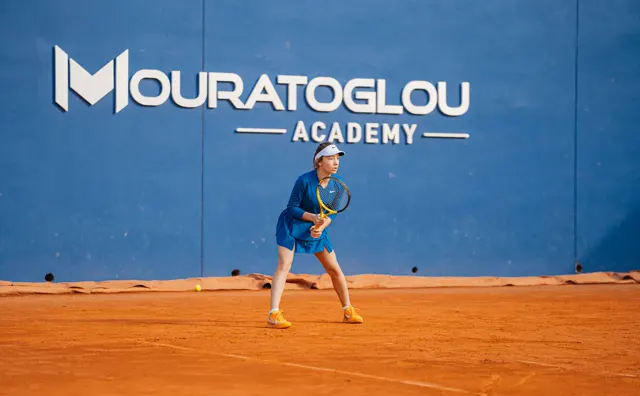 Technique · ReturnReturn of serve techniqueReady position, split-step, short backswing and contact in front: the technique to return any serve.
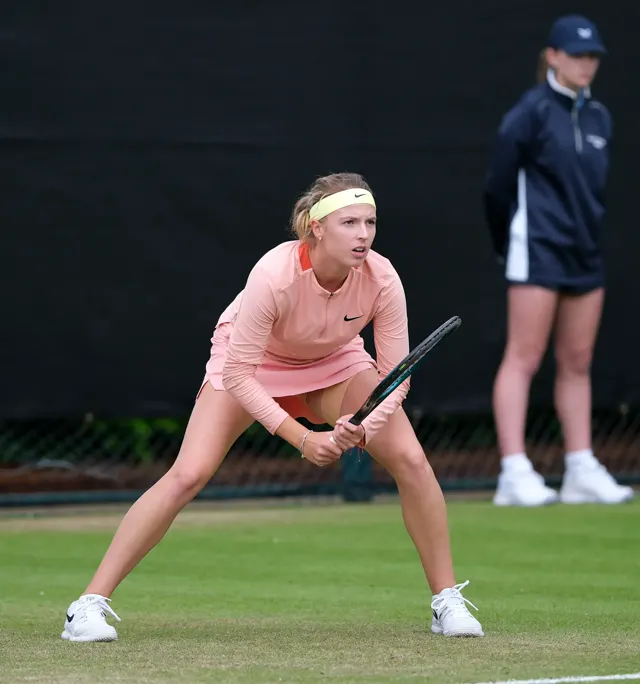 Tactics · ReturnReturn of serve tacticsWhere to aim on first and second serves, depending on whether the serve pulls you wide, jams you or goes down the T.
Net play and touch shots
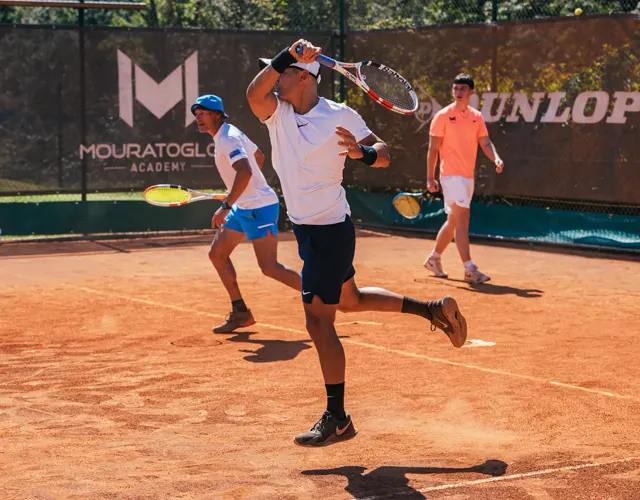 Technique · VolleyTennis volley techniqueGrip, ready position, short swing and contact point: the basics of an effective volley at the net.
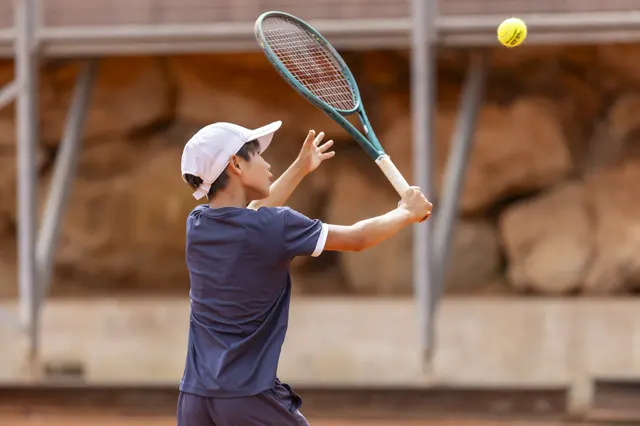 Technique · VolleyThe backhand volley in tennisGrip, ready position, contact and follow-through: how to play a firm and accurate backhand volley.
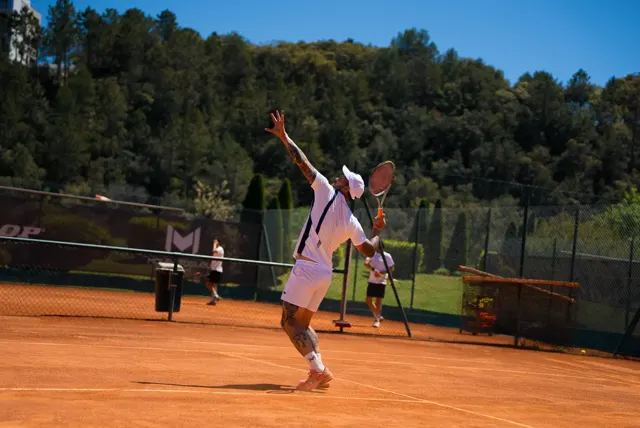 Technique · SmashHitting a reliable tennis smashGrip, turn, footwork under the ball and contact: how to make your smash reliable at the net.
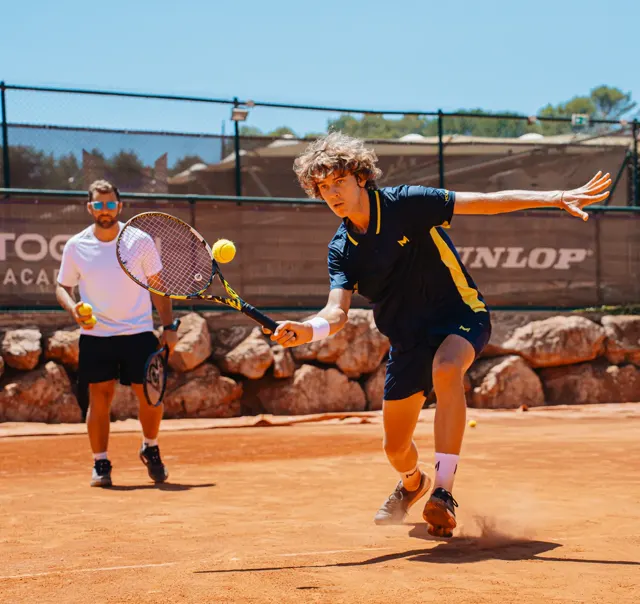 Technique · Touch shotsHitting the perfect drop shotGrip, swing, backspin and disguise: drop shot technique, and above all the right moments to play it.
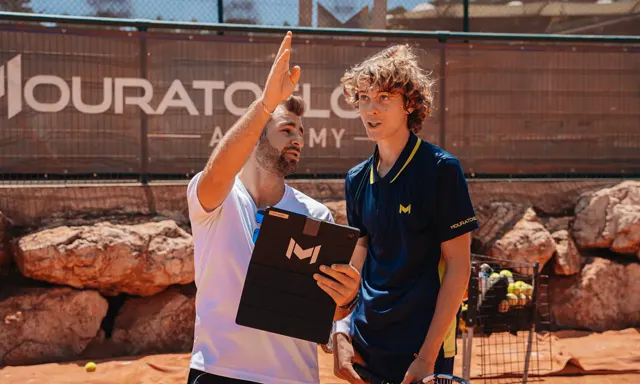 Technique · Special shotsThe lob in tennisDefensive lob or attacking topspin lob: the swing, the right height, the right moments and drills to make it a weapon.
Footwork
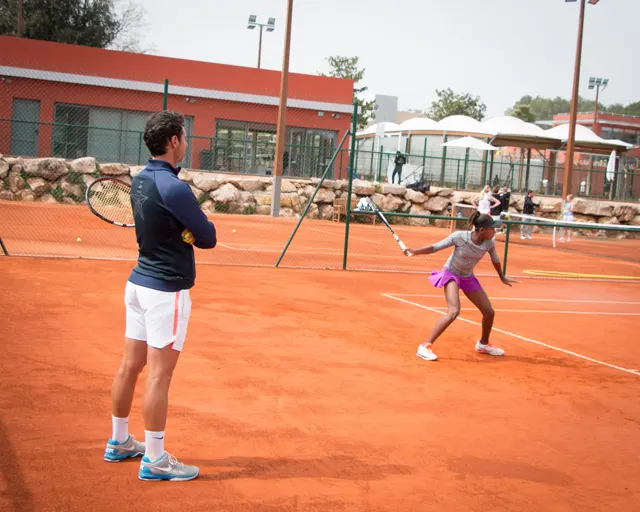 Technique · FootworkBaseline footwork in tennisReady position, split-step, adjustment steps, recovery: the basics of baseline footwork, plus drills to improve.
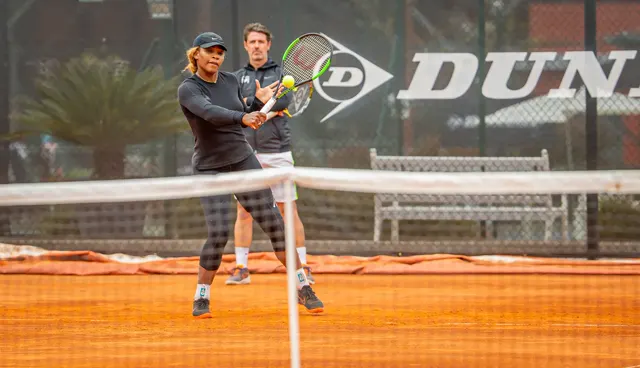 Technique · VolleyFootwork at the netStance, split step, small steps and recovery: the movement that makes good volleys.
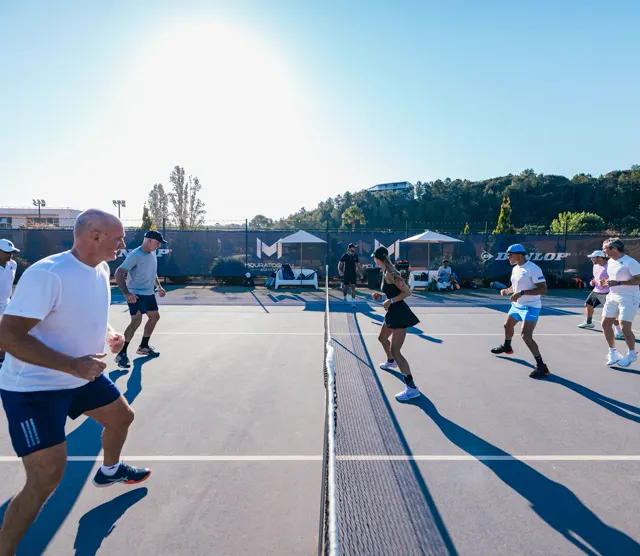 Technique · FootworkThe side step in tennisHow to perform the side step, when to use it, which muscles it works and how to train it.
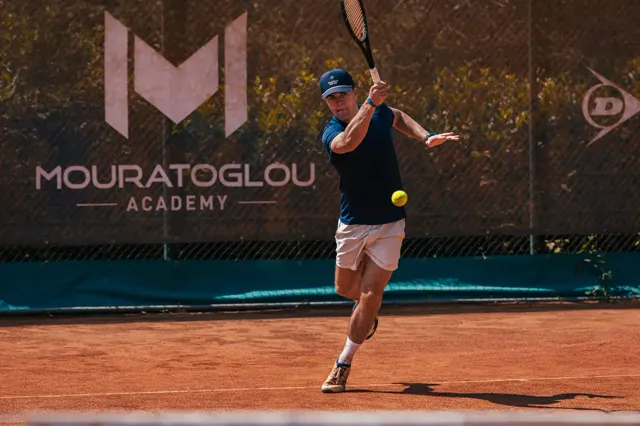 Technique · FootworkThe crossover step in tennisHow to do the crossover step, when to use it rather than the side step, and how to train it.
Tactics
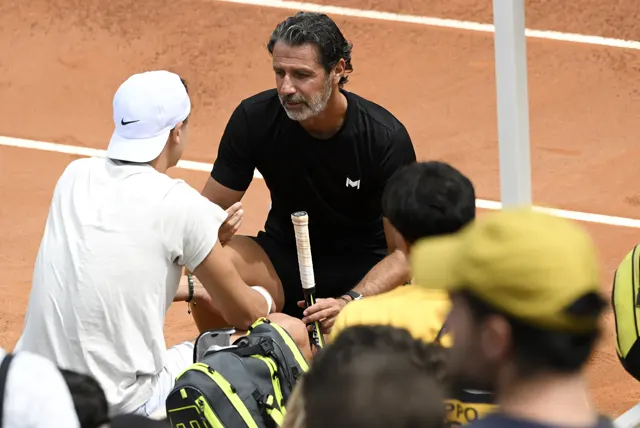 Tactics · GuideTennis tactics: the complete guideThe principles of tennis tactics: play to your strengths, target your opponent’s weaknesses, manage the score and adapt to the surface.
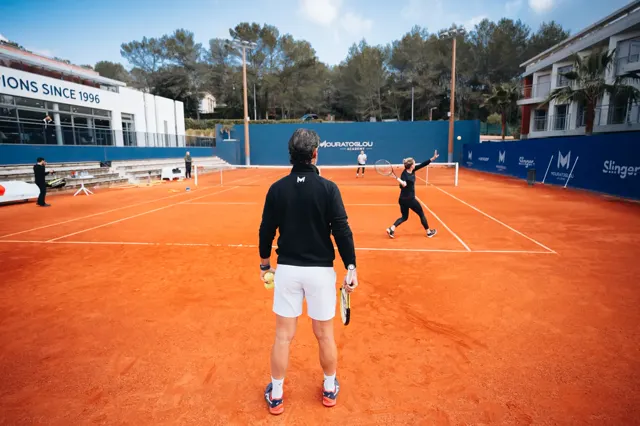 Tactics · BaselineBaseline tactics in tennisCross-court, topspin, depth, changes of pace: the principles and patterns to control the rally from the baseline.
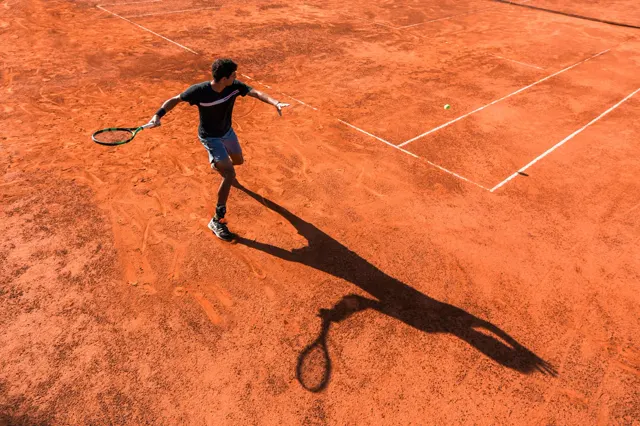 Tactics · Against a strikerHow to beat a baseline strikerBreak their rhythm, play deep, make them hit on the run and come to the net at the right time: the plan against big hitters.
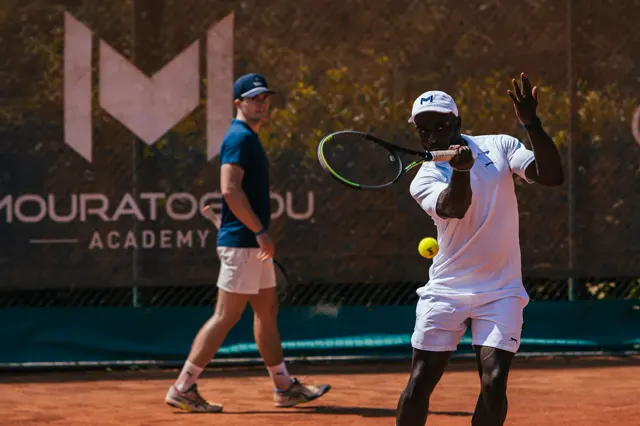 Tactics · Against a volleyerHow to beat a net playerPlay deep, aim at their feet, mix passing shots and lobs: the plan to counter an opponent who attacks at the net.
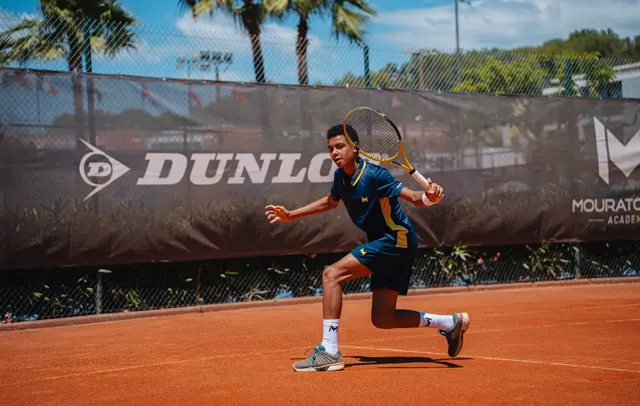 Tactics · Against a defenderHow to beat a pusher in tennisBuild the point, draw them out of the back court, attack at the right time and keep calm: the plan against players who return everything.
Training
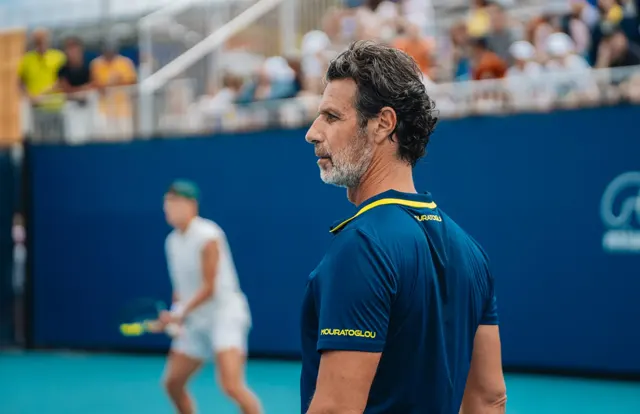 Technique · BeginnersTennis for beginnersEquipment, grips, basic strokes, footwork: where to start to learn tennis the right way.Technique · MethodHow to work on your techniqueThe basics to build, drills for each stroke, the right balance of repetition and play: a practical plan to improve your technique.
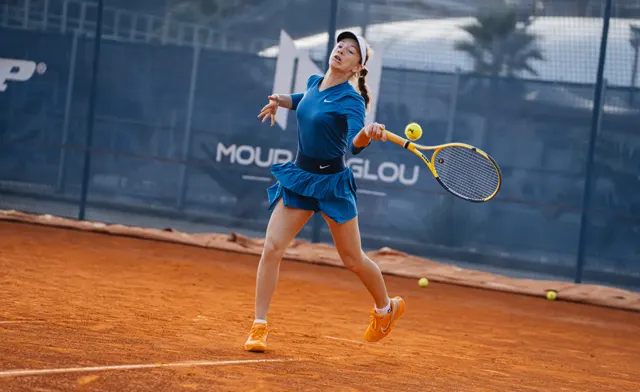 Technique · PracticeTennis drills: 10 exercisesConsistency, depth, footwork, serve, net play, wall: ten drills worth repeating, with their goal and level.
Frequently asked questions
Which stroke should I work on first?
The serve and the forehand, which start most points, then footwork, which shapes the quality of every stroke.
How long does it take to fix a stroke?
Allow several weeks of regular repetition before a new motion holds up in matches; a coach speeds this up considerably.
How do Mouratoglou Academy coaches teach technique?
Under the Mouratoglou Method, there is no single perfect stroke: the coach starts from your build and style to make each shot more effective. Corrections are targeted, one at a time, and tested in match situations. This is the approach used at the academy on the French Riviera (Biot, near Nice), summed up in our guide to working on your technique.
Can a camp fix a technical flaw?
Yes, as long as you target one or two specific points. The volume of balls in an intensive week, with video analysis and instant feedback from the coach, embeds a new stroke faster than sessions spread out over time. You then need to consolidate it at home. The Performance Camp Adult and the Performance Camp Junior are built on this principle.
MOURATOGLOU ACADEMY · FRENCH RIVIERA
Train with our coaches
Put this advice into practice on the courts of the Mouratoglou Academy, on the French Riviera.
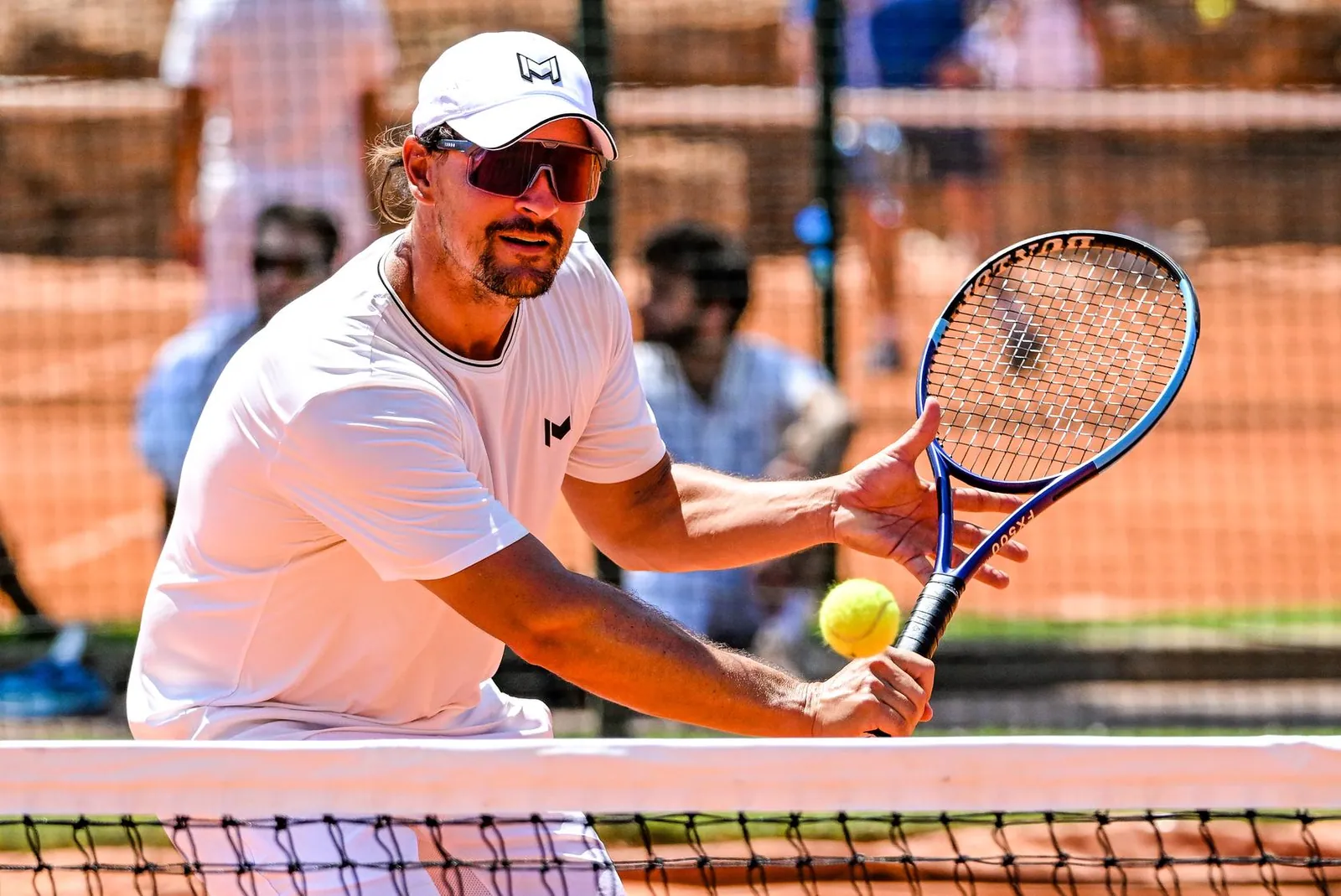 AdultsFull daysAll levelsPerformance Camp AdultA week of intensive tennis, 4 players per coach: technique, match play, physical and mental training.DISCOVER
 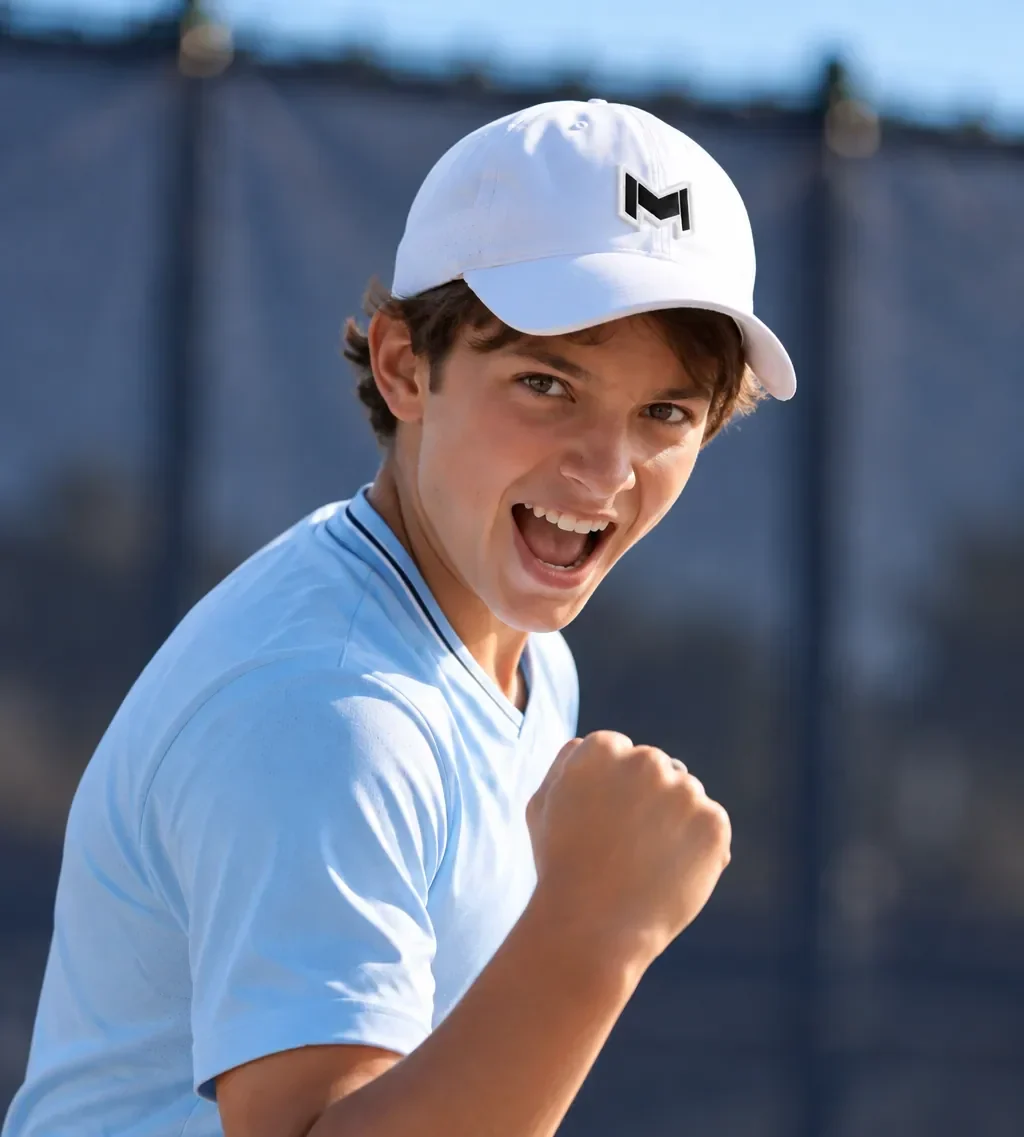 Ages 9–17Full daysBoarding optionPerformance Camp JuniorThe intensive camp for young players: technique, tactics, fitness and mindset, 4 players per coach.DISCOVER
 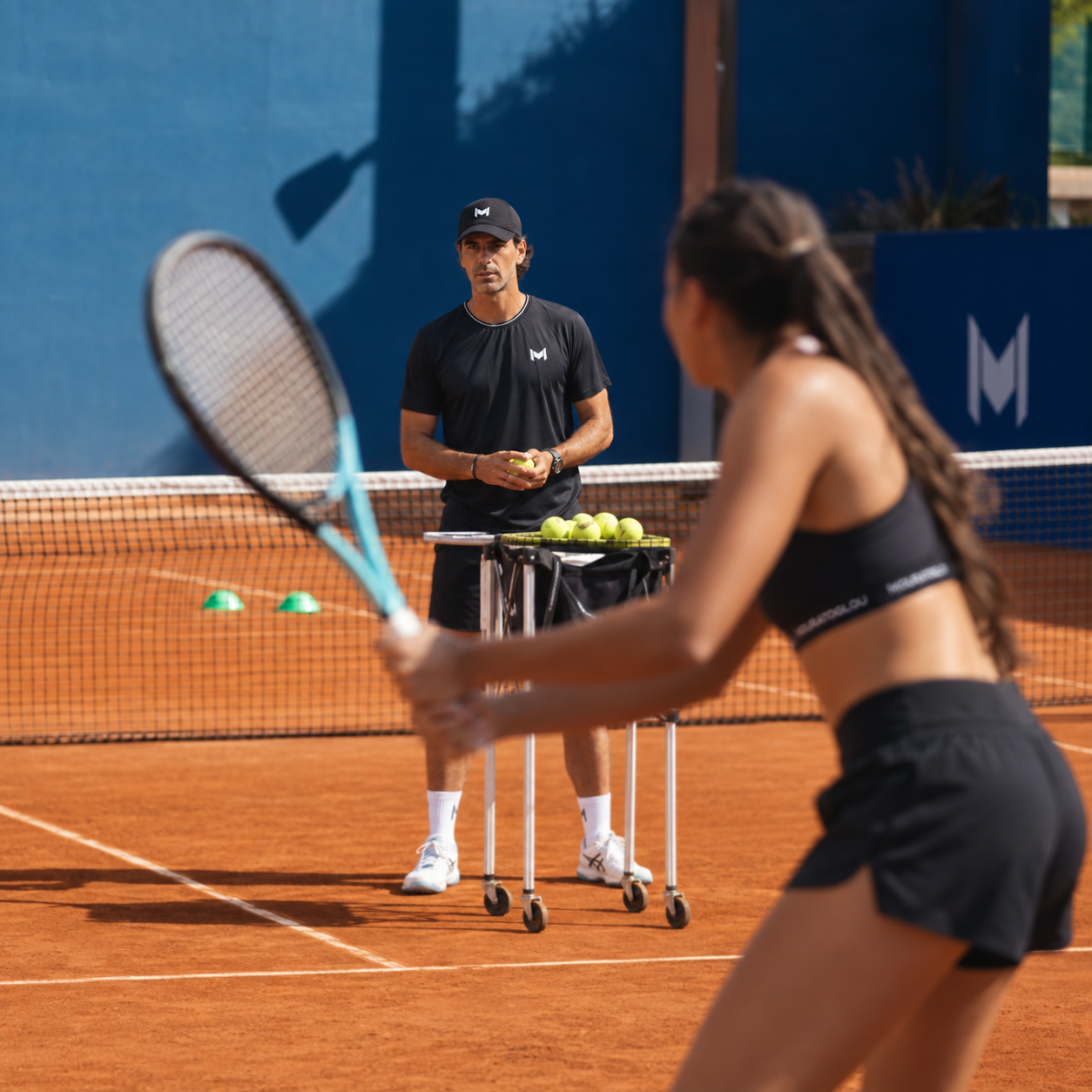 AdultsMorningsAll levelsPlayer Camp AdultCoached tennis mornings to progress at your own pace, with afternoons free on the French Riviera.DISCOVER