Technique · Footwork
Tennis footwork: techniques to improve your movement
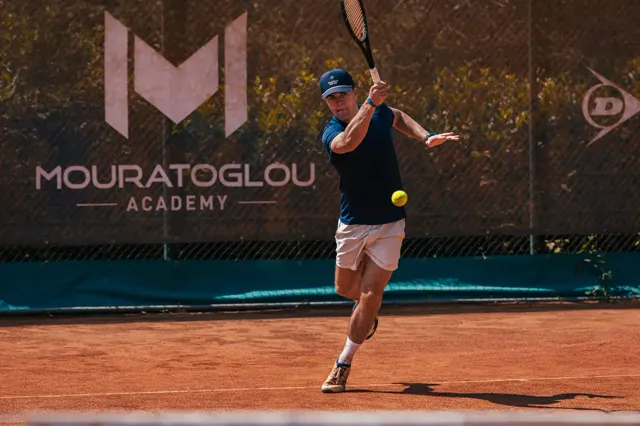
Tennis footwork is all the movement that gets you to the right distance from the ball, balanced, and then back into position for the next shot. At the baseline it relies on five elements: the ready position, the split-step, movement steps (side steps and crossover steps), small adjustment steps and recovery. Good footwork does more for the quality of your shots than any change to your swing.
Key takeaways
- Split-step on every opponent’s shot: it triggers all your movement.
- Big steps for distance, small steps for precision: run to the ball, then fine-tune.
- Side steps for short lateral moves, crossover steps to cover a lot of ground.
- Recovery: after each shot, get back to the centre of your opponent’s possible angles, not necessarily the centre of the court.
- Balance: hitting in balance matters more than getting there fast.
Why is footwork so important in tennis?
Most baseline errors do not come from the arm but from the legs: the ball is hit too close to the body, too far away, too late or off balance. Good tennis footwork puts you at the right distance at the right time and frees up the swing.
- More consistent shots: well placed, you repeat the same swing at the same height.
- More power: transferring your body weight forwards is only possible from stable footing.
- Less fatigue: efficient movement saves energy in long rallies.
- Better defence: getting to the ball earlier gives you a choice of shot.
The 5 basics of baseline footwork
1. The ready position
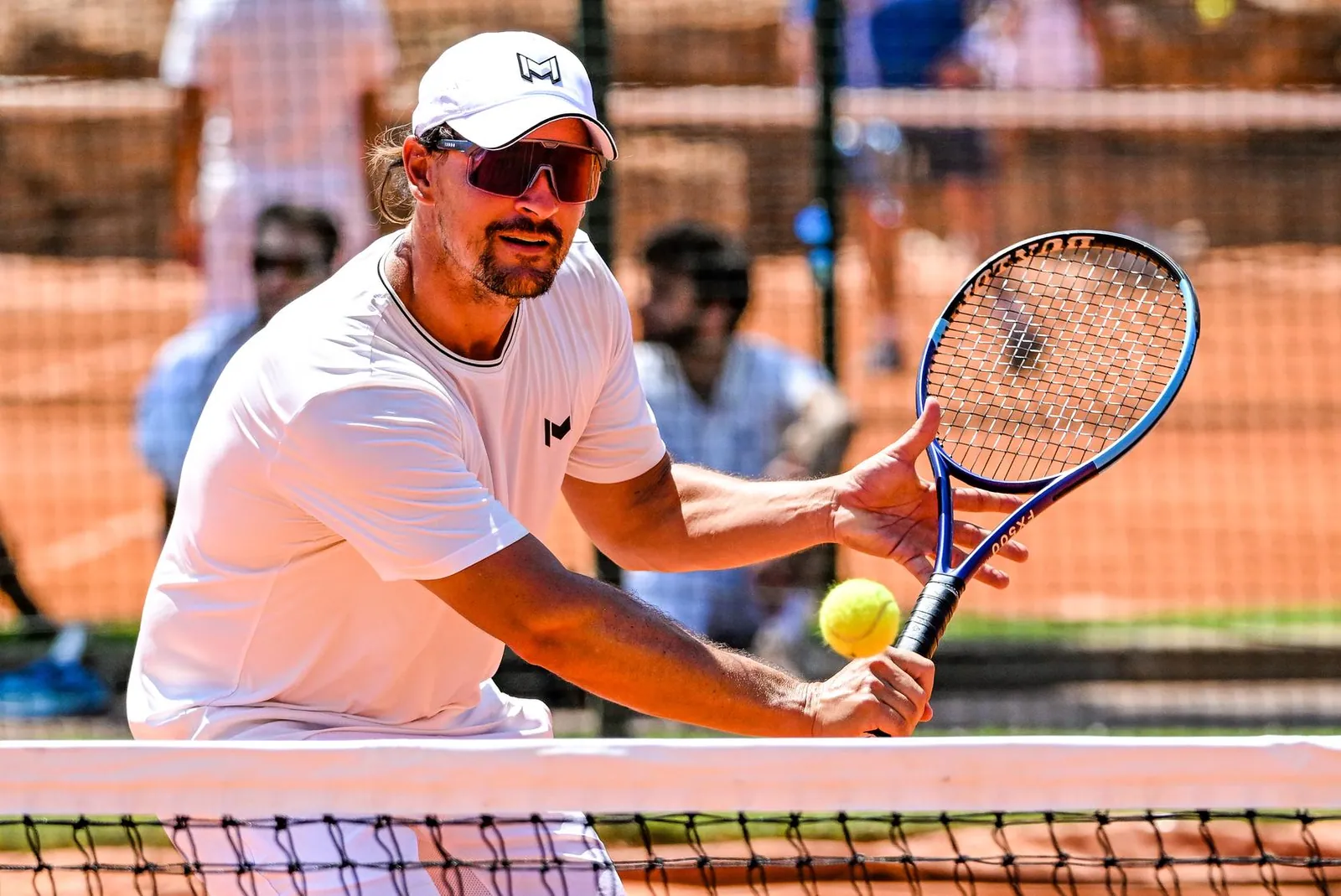
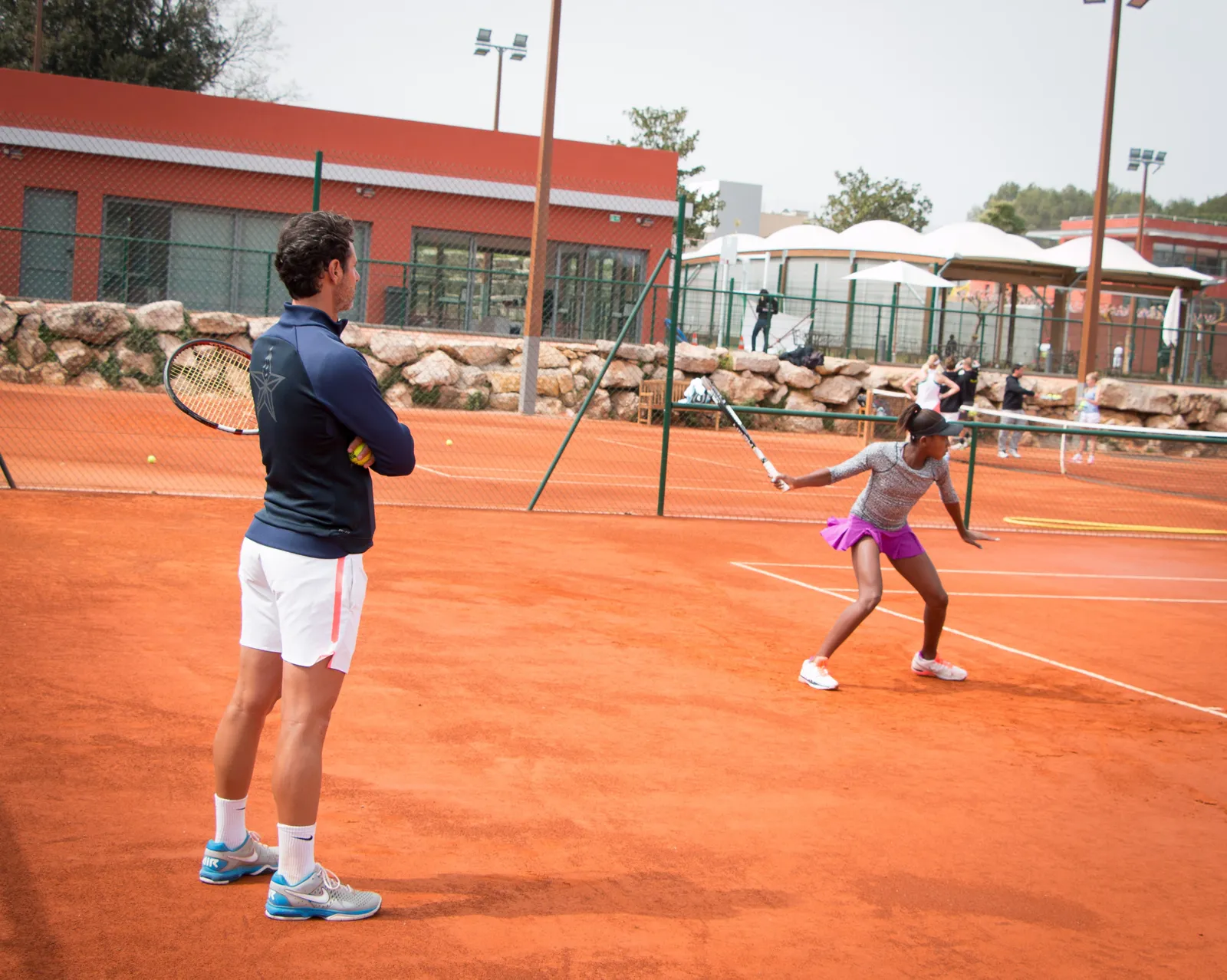
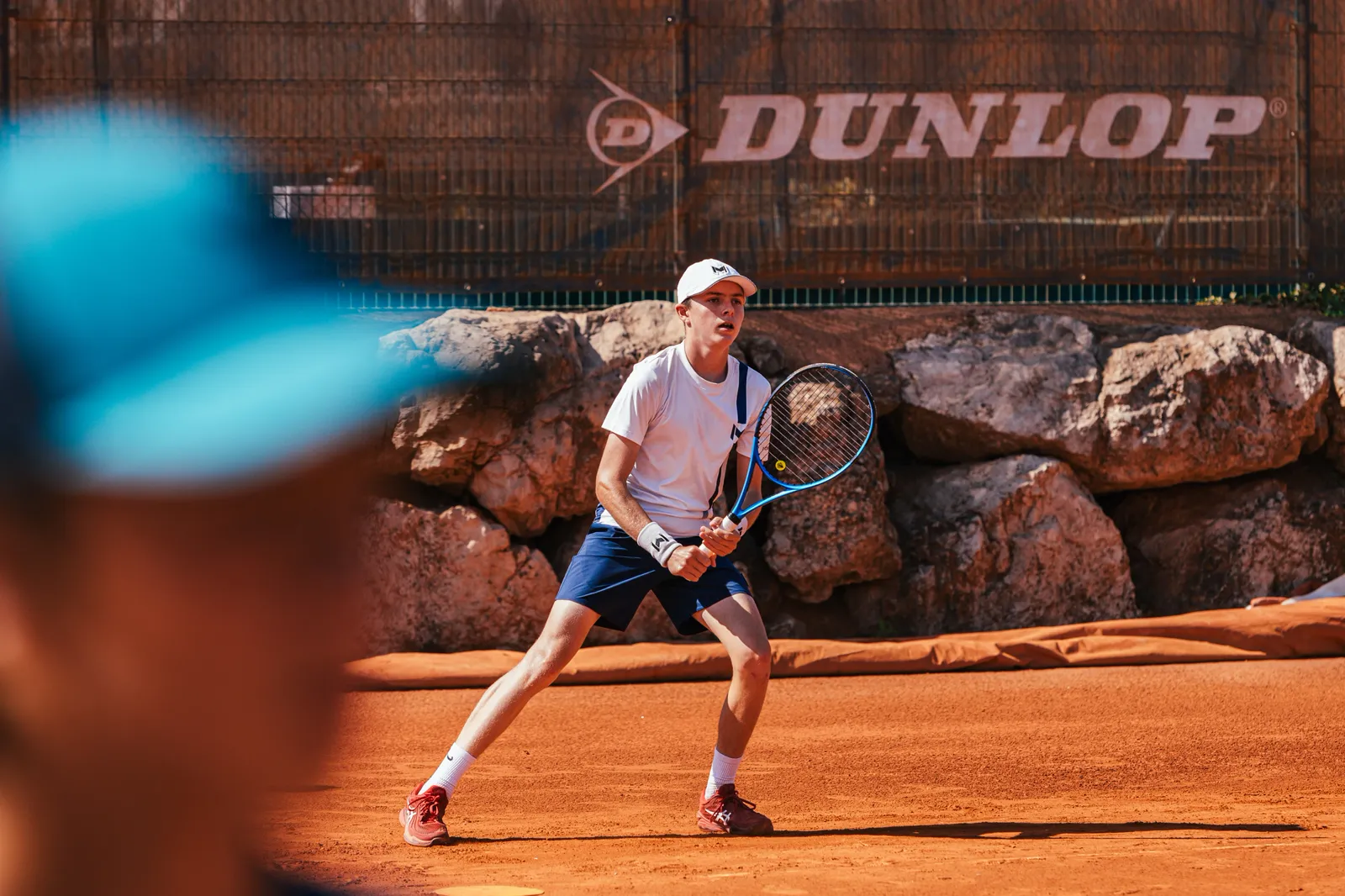
Feet slightly wider than shoulder-width, knees bent, weight on the balls of the feet, upper body leaning slightly forwards, racquet in front. You should never wait for the ball with your heels on the ground.
2. The split-step
A small hop, or simply a bounce, just before your opponent hits. You land on the balls of your feet as you read the direction of the ball, ready to go either way. It is the basic move behind all footwork, at the baseline and on the return of serve.
3. Movement steps
For a ball close by, side steps keep the body facing the net and balanced. For a ball further away, or to get back to the middle after being stretched, the crossover step covers more ground. For a very wide ball, you simply sprint.
4. Adjustment steps
As you get close to the ball, shorten your stride: 2 to 4 quick small steps to set the exact distance and plant your loading leg. These are what separate a clean strike from a rushed one.
5. Weight transfer and recovery
As you hit, your weight moves from the back leg to the front leg. Then you recover, with side steps or crossover steps, to the centre of your opponent’s possible angles: the position that best covers the shots they can play, often slightly off the centre of the court.
Open or closed stance: which should you use?
| Stance | Description | When to use it |
|---|---|---|
| Closed (or neutral) | Front leg steps towards the net or across | Easy ball, attacking shot, one-handed backhand |
| Semi-open | Feet on a diagonal, weight on the outside leg | Most rally forehands |
| Open | Feet parallel to the net, trunk rotation | Fast ball, defence, modern forehand |
There is no right or wrong stance: the right choice depends on how much time you have. To go further on the forehand, see our guide to the tennis forehand.
4 drills to improve your footwork
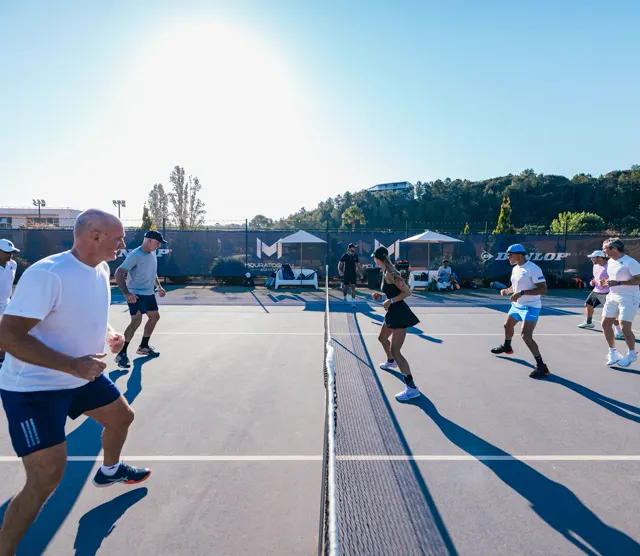
- Shadow tennis: without a ball, mimic full rallies (split-step, movement, adjustment, swing, recovery) for 30 seconds, then rest for 30 seconds. 6 to 8 sets.
- Agility ladder: laid on the ground, work through it with short, quick steps, forwards then sideways. It develops foot speed and coordination.
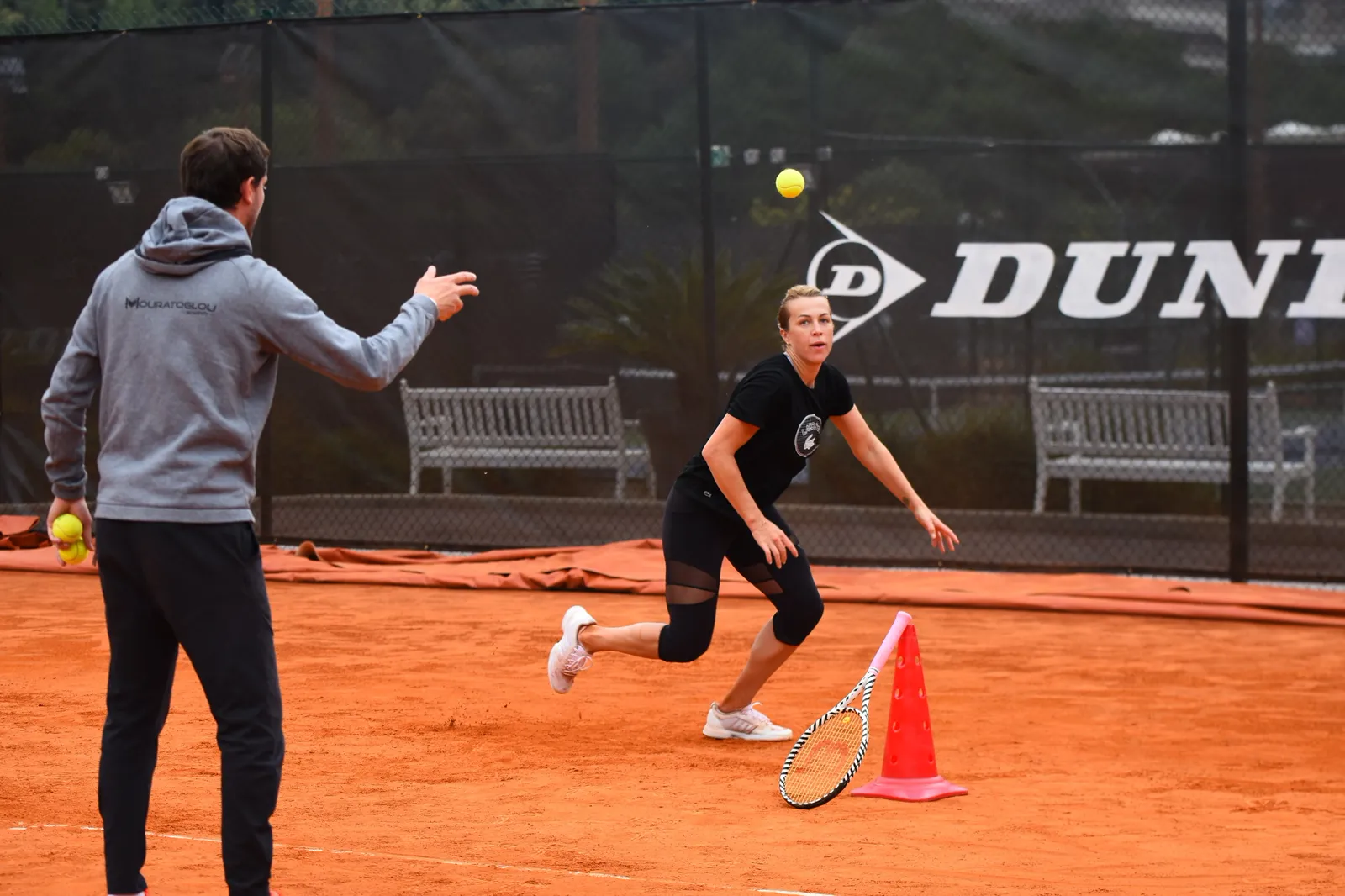
- Side steps between two cones: two cones 3 to 4 metres apart, shuffle back and forth with bent knees, touching each cone. 20 seconds of work, 40 seconds of rest.
- The butterfly: the coach feeds alternately to your forehand and backhand; you recover to the middle with a split-step between each shot. Demanding, so keep the sets short.
Coordination and foot speed can also be trained off court: see our advice on improving your movement coordination.
Footwork also depends on your fitness: our physical and mental preparation section helps you build it, and our guide on improving your technique shows how to fit it into your sessions. In the Mouratoglou Method, movement is trained with the ball, in match-like situations. That is how it works on our tennis camps at the Mouratoglou Academy on the French Riviera (Biot, near Nice).
Footwork mistakes to avoid
- Waiting on your heels: a late start on every ball. Stay on the balls of your feet.
- Forgetting the split-step: you either go too early, the wrong way, or too late.
- Bouncing non-stop: staying active does not mean hopping all the time; it tires you and throws off your timing. One well-timed split-step is enough.
- Admiring your shot: standing still after hitting leaves the whole court to your opponent.
- Getting too close to the ball: the arm gets cramped and the shot loses depth; finish your approach with small steps instead.
Movement improves quickly with specific work and an outside eye. At our junior camps, part of every day is devoted to footwork and fitness; adults work on it too in our Performance camps. For the next step forward, read our article on footwork at the net.
 Ages 9–17Full daysBoarding optionPerformance Camp JuniorThe intensive camp for young players: technique, tactics, fitness and mindset, 4 players per coach.DISCOVER
 Frequently asked questions
How can I improve my tennis footwork quickly?
Start with the split-step: do it on every opponent’s shot, in practice and in matches. Add small adjustment steps before each shot, then short sessions of agility ladder and shadow tennis. Within a few weeks you will reach the ball earlier and in better balance.
What is the split-step in tennis?
A small balancing hop made just before your opponent hits the ball. You land on the balls of your feet, knees bent, ready to push off in any direction. It is the foundation of all movement on court.
Should I use side steps or crossover steps?
Side steps for short lateral moves and adjustments, as they keep the body facing the net. Crossover steps to cover a long distance or to get back to the middle after being stretched. Good players combine both.
Which muscles should I train to move better?
Calves, quads and glutes for starting and braking, adductors for lateral movement, and the core to stay stable. Strength work should complement on-court movement training, not replace it.
How should you adapt your footwork on clay?
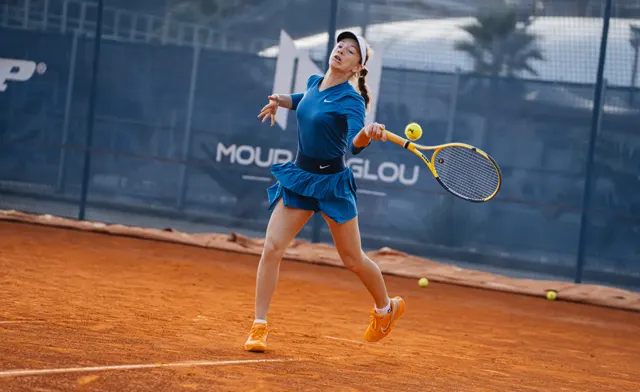
On clay, you shorten your last steps and learn to slide into the ball rather than stopping dead. Recovery has to be quicker, because rallies last longer. Our article on clay court tactics explains sliding in detail. The Performance Camp Junior takes place partly on the Academy’s clay courts.