Technique · Method
How to work on your tennis technique: method and drills
To improve your tennis technique, correct one thing at a time, repeat it in a simple, closed drill, then gradually transfer it into game and match situations. The basics (footwork, grip, preparation, contact point) come before advanced shots, and a coach’s eye speeds up progress considerably by stopping bad habits from setting in.
Key takeaways
- One goal at a time: a single technical point per session or block of drills.
- From closed to open: shadow swings, fed balls, controlled rallies, then free play and matches.
- Basics first: footwork, grip, preparation and contact in front of the body shape every shot.
- Quality repetition: 50 focused balls beat 300 distracted ones.
- Outside feedback: a coach or video, to check that what you feel matches what you do.
How to improve your tennis technique: a 4-step method
Technique is built step by step, from simple to complex. Skip a step and you will often fall back into old habits as soon as the pressure rises in a match.
- Understand: identify a single point to fix (for example, a late forehand preparation) and picture the correct movement, with a coach or a video.
- Isolate: work on it in a closed situation, without an opponent: shadow swings, then hand-fed or basket-fed balls at a slow pace.
- Stabilise: move on to controlled rallies with a partner, at moderate pace, still focused on the same point.
- Transfer: bring the movement into open situations (themed points, matches) and accept a few errors at first.
The technical basics to build first
Whatever the shot, four fundamentals keep coming back. Until they are solid, working on the fine detail of a stroke has little effect.
| Fundamental | What to aim for | Simple drill |
|---|---|---|
| Posture and footwork | Knees bent, weight on the balls of the feet, split-step on every opponent shot | Mini-tennis rallies with a compulsory split-step |
| Grip | The right grip for each shot, relaxed hand | Change grip when the coach calls it, from the ready position |
| Preparation | Early shoulder turn, active free hand | Racquet back before the bounce, on fed balls |
| Contact point | In front of the body, at the right distance | The “freeze” drill: stop the swing at contact |
Movement deserves dedicated work of its own: see our guide to baseline footwork.
Which drills for each shot?
The forehand
Work on early preparation, contact in front and a full follow-through. Drill: 10 minutes of cross-court forehands to a deep target, then alternate cross-court and down the line. Full details in our forehand guide.
The backhand
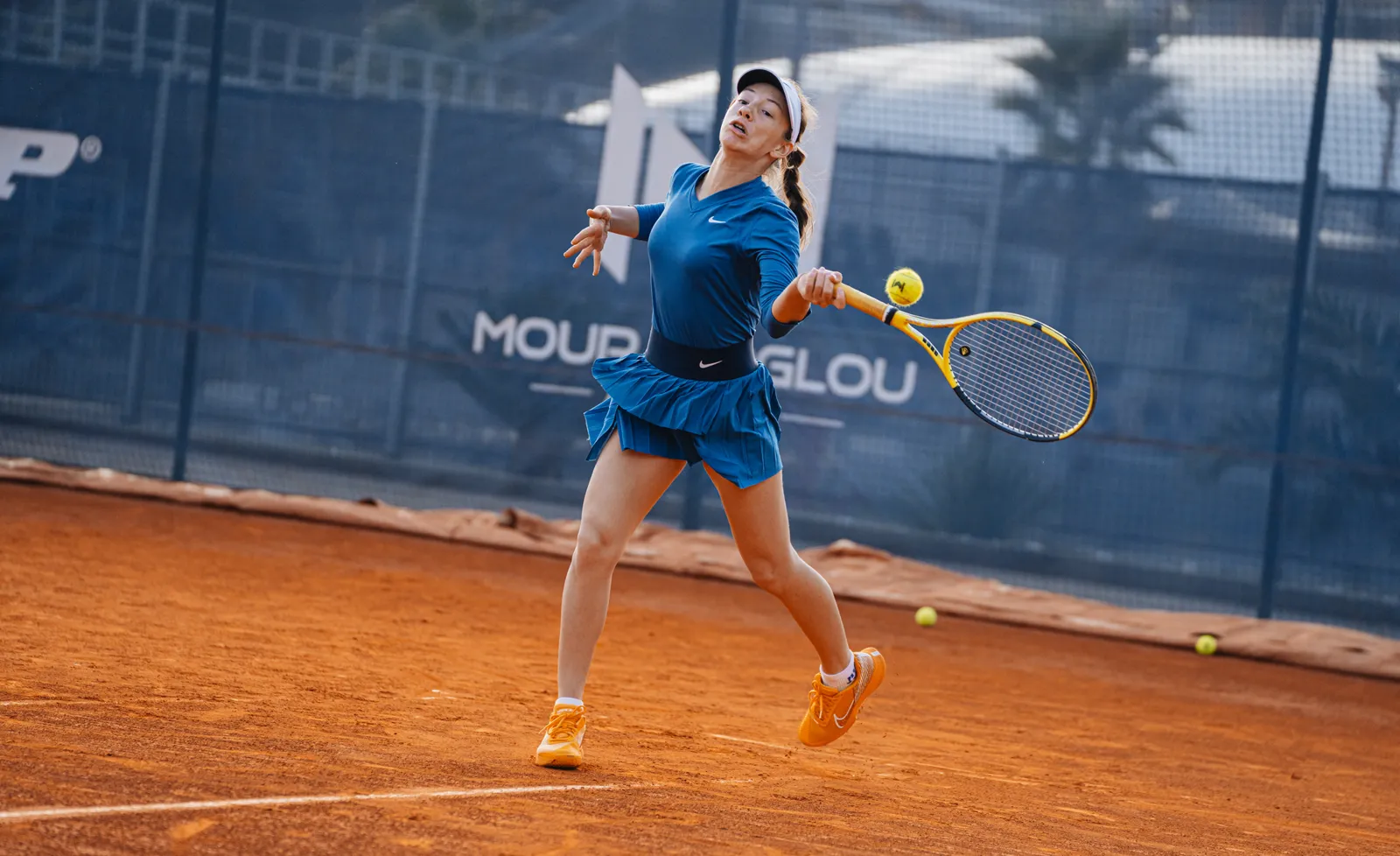
With one hand, the key is shoulder rotation and full arm extension; with two hands, hip rotation and the work of the non-dominant hand. Drill: cross-court backhands at moderate pace, counting balls landing beyond the service line. See our articles on the one-handed backhand and the two-handed backhand.
The serve
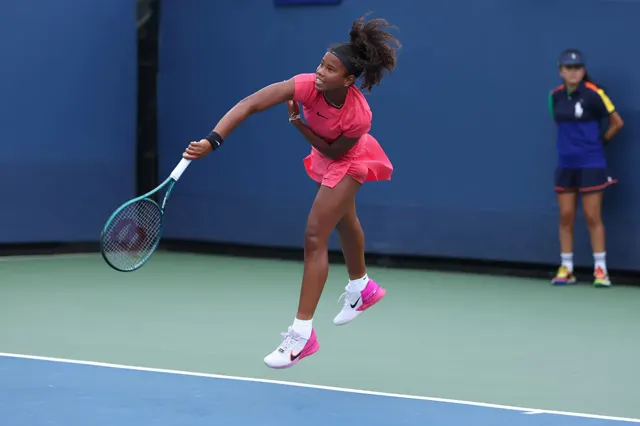
Start with a consistent toss (without hitting), then the full motion at reduced speed, and finally sets aimed at targets. Drill: 3 sets of 10 serves into a one-square-metre zone. Our article on serve technique breaks down the motion.
The volley
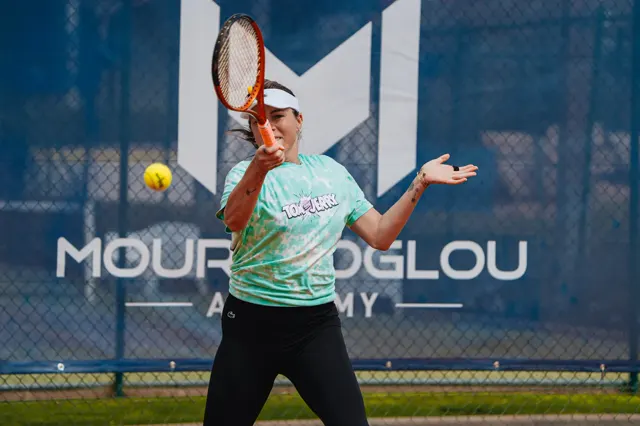
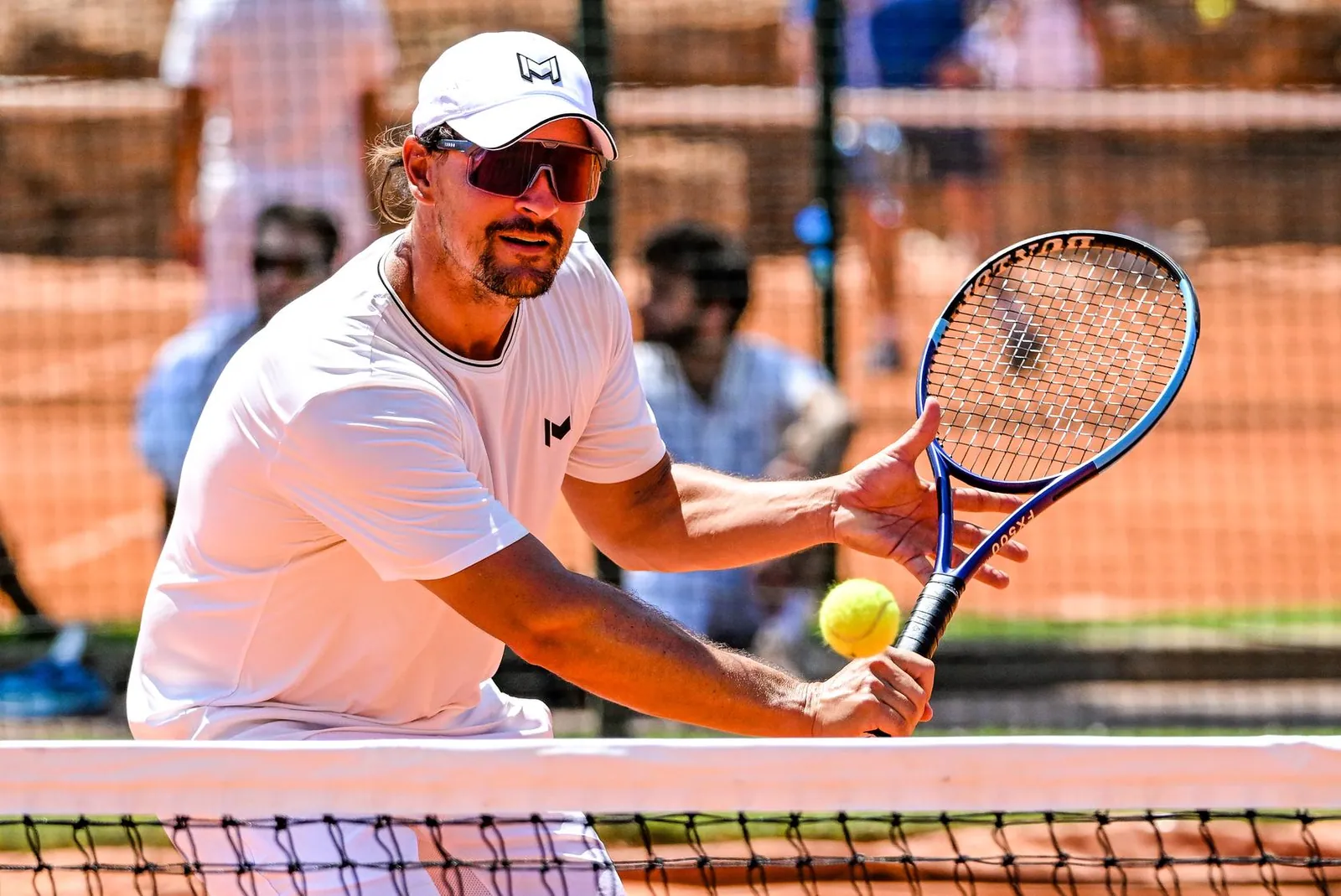
Short swing, stable racquet face, moving forward. Drill: cross-court volleys with a partner at the net, continental grip, aiming for 20 volleys without a miss. See our volley guide.
Repetition and variety: getting the balance right
Repetition grooves the movement; variety makes it usable in a match. You need both, in that order.
- Repeat with attention: short sets (10 to 20 balls) with a pause to reflect beat one long set on autopilot.
- Add variety gradually: height, pace, direction, then movement before the shot.
- Add pressure: play a point after each set, count errors, practise when slightly tired.
- Finish with play: every technical session should end with themed points to transfer the movement.
 AdultsFull daysAll levelsPerformance Camp AdultA week of intensive tennis, 4 players per coach: technique, match play, physical and mental training.DISCOVER
 Why work on your technique with a coach?
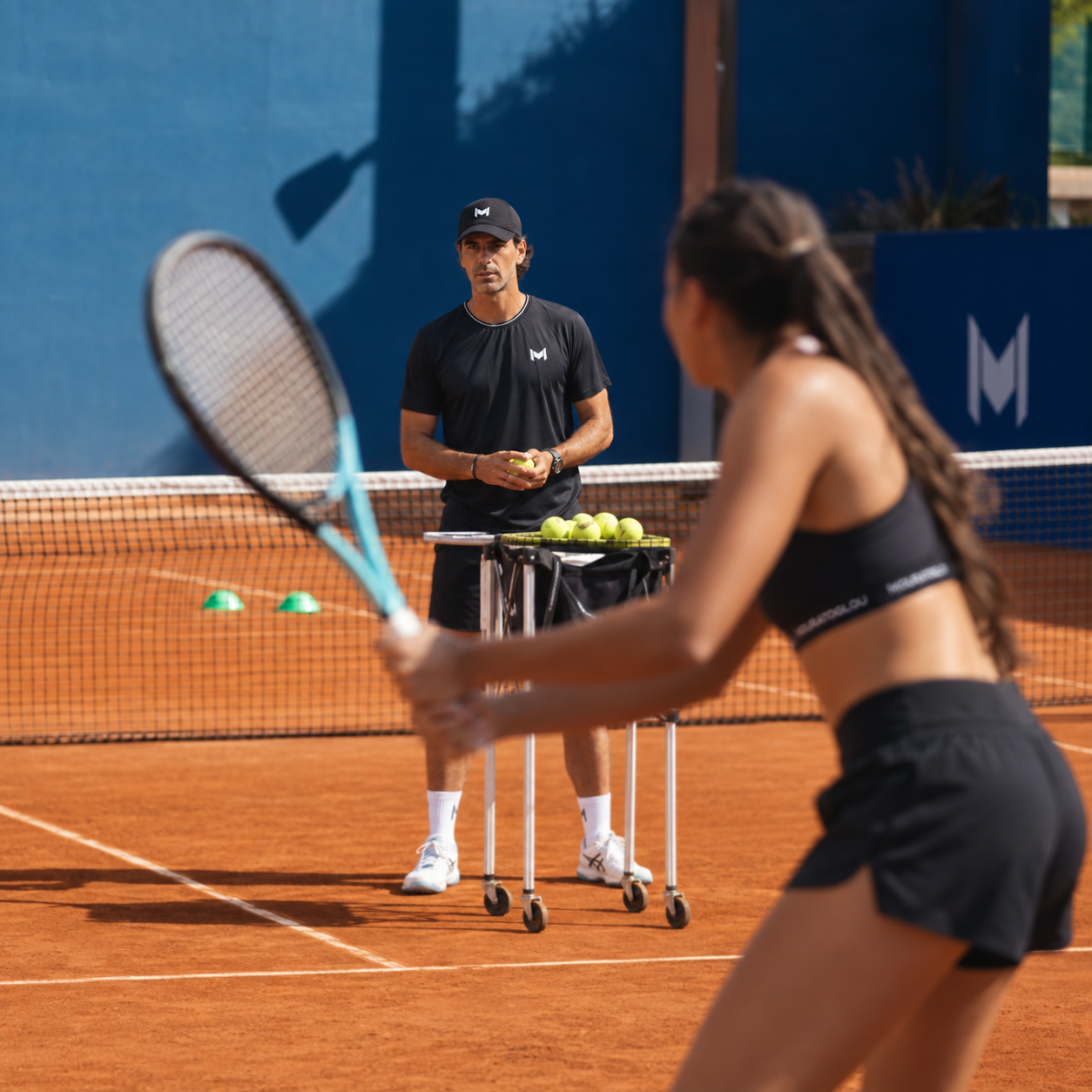
What you feel does not always match what you do. A coach sees in a few balls what is holding your game back, prioritises the corrections and stops you repeating a fault for months. Video, even filmed on a phone, is an excellent way to see yourself from the outside.
- A diagnosis: the two or three points that will make the biggest difference.
- Goals for the short term (one movement) and the long term (a style of play).
- Follow-up: checking that the correction holds up in matches, not just in practice.
An intensive camp condenses this work: several hours a day, with 4 players per coach. That is the idea behind the Performance Camp Adult; if you prefer a gentler pace, the Player Camp Adult offers coached mornings.
That is the heart of the Mouratoglou Method: start from the player, their body and their game, rather than from a model stroke. At the Mouratoglou Academy, every camp starts with an assessment that sets the technical priorities. To prepare, browse the Coaching Corner and our guides to forehand grips or the one-handed backhand.
Frequently asked questions
How long does it take to improve your tennis technique?
You can feel a simple correction within one session, but it usually takes several weeks of regular practice before it holds up in matches. Bigger changes (a new grip, a new service motion) take longer.
Can you work on your technique alone?
Partly: shadow swings in front of a mirror, a practice wall, a basket of balls for the serve, video on your phone. But an outside eye is still valuable to check you are working on the right thing.
Which shot should I work on first?
The one that costs you the most points in matches, often the serve or the backhand for club players. If your basics (footwork, preparation, contact) are shaky, start there: they improve every shot at once.
How often should I train to improve technically?
Consistency matters more than volume: two well-targeted sessions a week will do more than one long, occasional session. An intensive camp can then give you a real boost.
Should you film yourself to improve your technique?
Yes: video shows what feel hides, such as a late contact point or a shoulder opening too early. Film yourself from the side and from behind, in slow motion if possible, and look for one correction at a time. Then compare with the next session. On the Performance Camp Adult on the French Riviera, coaches use video to target corrections.