Technique · Backhand
Hitting the two-handed backhand: a guide to the contact point
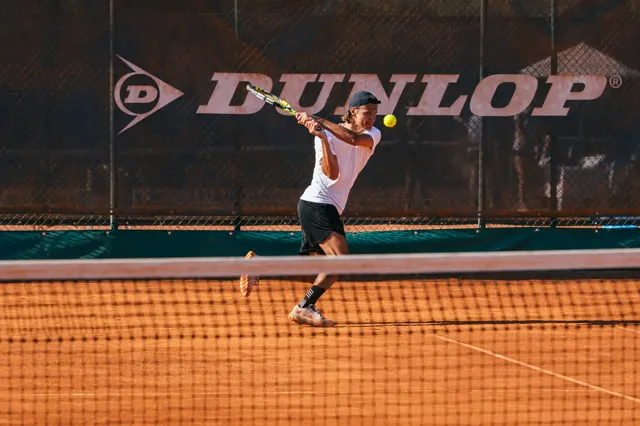
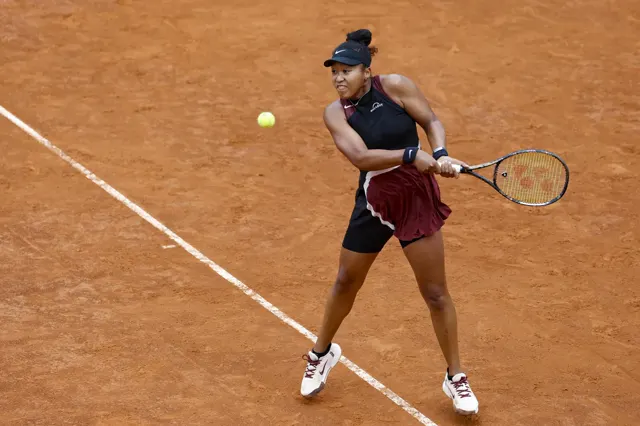
A good two-handed backhand is struck in front of the body, between hip and waist height, with a vertical racquet face, just as your weight moves from the back leg to the front leg. The non-dominant hand drives the ball and the dominant hand steers it: that partnership is what makes the two-handed backhand so stable.
Key takeaways
- Contact point: in front of the front hip, ideally at waist height, at a comfortable distance from the body.
- Vertical racquet face at contact for a drive; a low-to-high swing path creates topspin.
- The non-dominant hand supplies the power (like a forehand with the other hand); the dominant hand stabilises and steers.
- Weight transfer from back leg to front leg matters more for power than arm speed.
- Three spins: topspin for consistency, flat to attack, slice to defend or change the pace.
Where should you hit the ball on a two-handed backhand?
Contact is the heart of the two-handed backhand, between the preparation and the follow-through. The ideal contact point is in front of the front hip (the right hip for a right-hander), at waist height, with the arms slightly bent.
- Too late (beside or behind the body): the ball flies wide and you lose all your power.
- Too early (far in front): the arms lock straight, the racquet face closes and the ball goes into the net.
- Too close to the body: the elbows get cramped and the swing is smothered. Roughly an arm-plus-racquet length is right.
What does each hand do at contact?
The two-handed backhand uses two different grips: the dominant hand in a continental grip at the bottom of the handle, the non-dominant hand in an eastern or semi-western forehand grip above it. At contact, each hand has its own job:
| Hand | Grip | Role at contact |
|---|---|---|
| Dominant (bottom) | Continental or eastern backhand | Steadies the racquet face and sets the direction |
| Non-dominant (top) | Eastern or semi-western forehand | Drives the ball, adds power and topspin |
A classic drill is to hit backhands with the non-dominant hand only, like a forehand with the other hand: it shows straight away whether that hand is really doing its job.
How do you generate power at contact?
The two-handed backhand draws its power from weight transfer and body rotation far more than from the arm. That is one of the big differences from the one-handed backhand, where the arm plays a larger part.
- Leg drive: from the knee bend of the preparation, push up and forward.
- Hip rotation: the hips unwind towards the net, just before the shoulders.
- Shoulder rotation: the shoulders follow and pull the arms through; the racquet comes last, at full speed.
- Contact: your weight moves onto the front leg (closed stance) or upwards (open stance), head still, eyes fixed on the contact point.
Keep your wrists relaxed: a tight grip slows the racquet head. Speed comes from linking the body segments, not from forearm effort.
Topspin, flat or slice: how do you vary the shot?
The topspin backhand
The most widely used backhand. The racquet starts below the ball and brushes up through it, face vertical: the ball clears the net with height and dips into the court. Ideal for long rallies and high balls.
The flat backhand
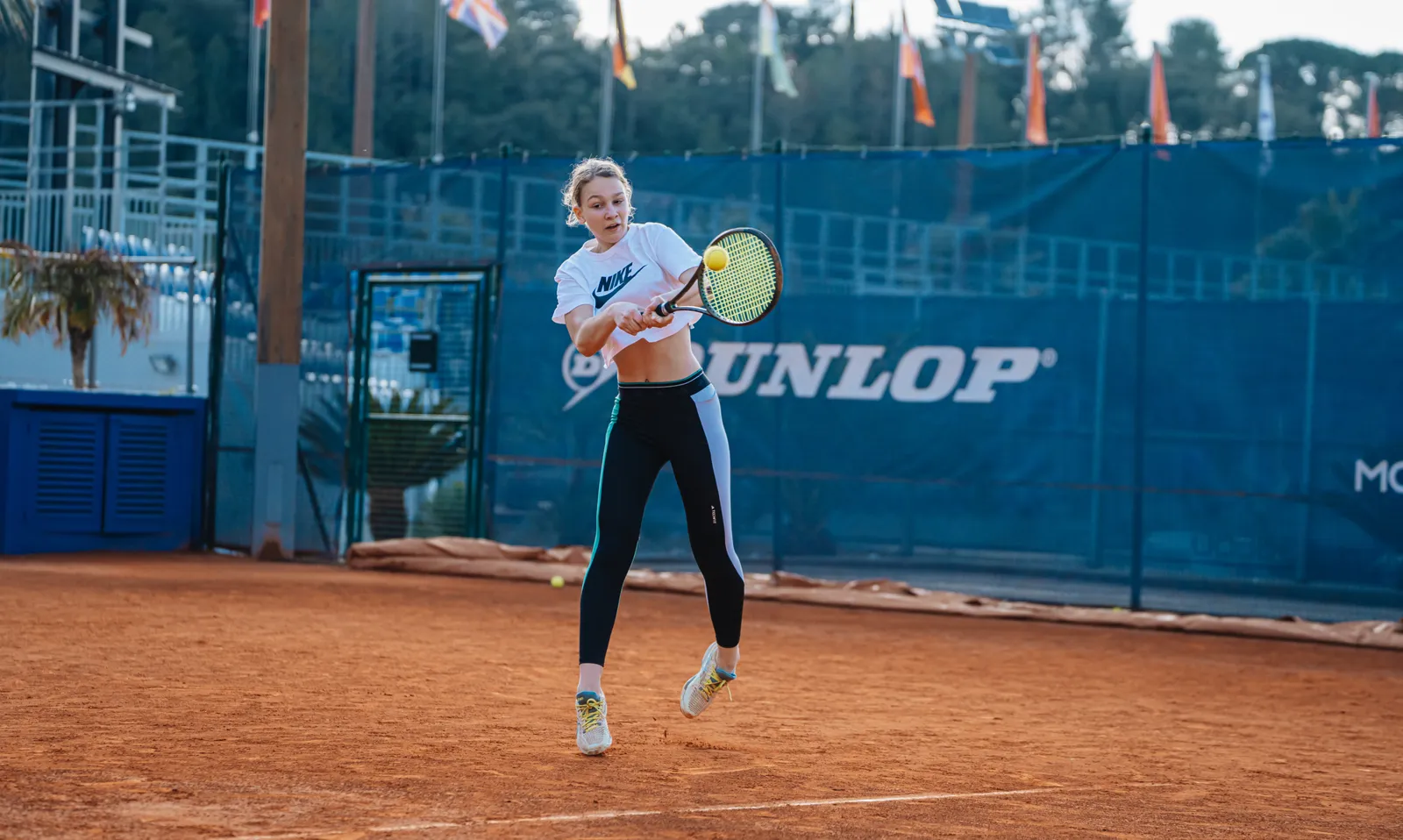
Little spin, a driving trajectory: this is the shot to punish a short or high ball and finish the point. It needs precise timing because the margin over the net is small. When to use it is covered in our article on the attacking backhand.
The sliced backhand
More common one-handed, it can also be hit with two hands: the racquet starts above the ball and cuts forward and down through it. The ball stays low and slows down, ideal for defending or breaking the rhythm.
Contact mistakes to fix
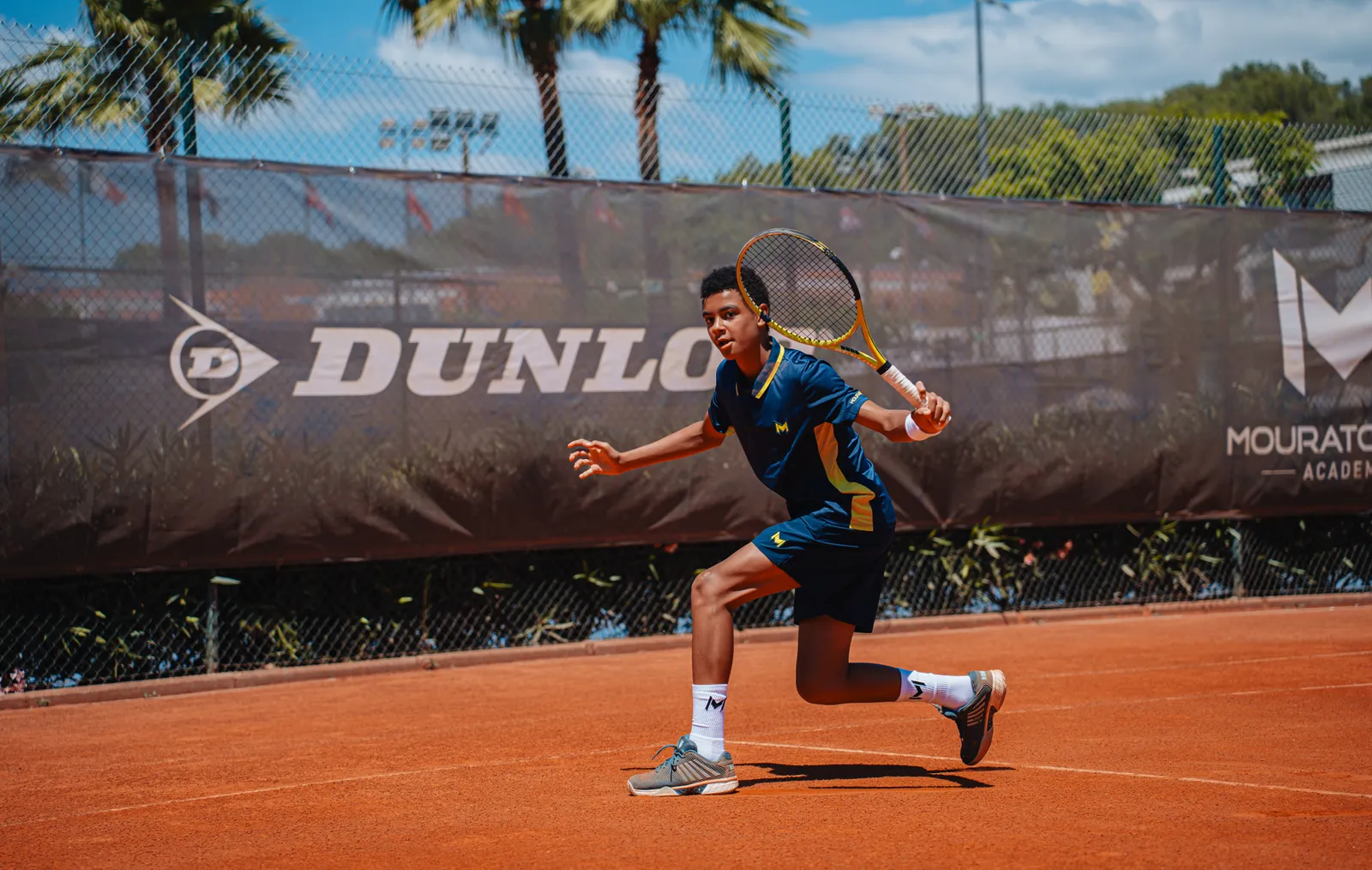
- Hitting late: the direct result of a late preparation. Work on your timing to take the ball in front.
- Letting go of the top hand too early: the two-handed backhand becomes an improvised one-hander, with no stability.
- Staying on the back foot: your weight goes backwards and the ball lacks depth.
- Looking up before contact: you lose the contact point; keep your eyes on the hitting zone for a moment after the ball has gone.
- Stopping the swing at contact: the stroke carries on into the follow-through, with no sudden stop.
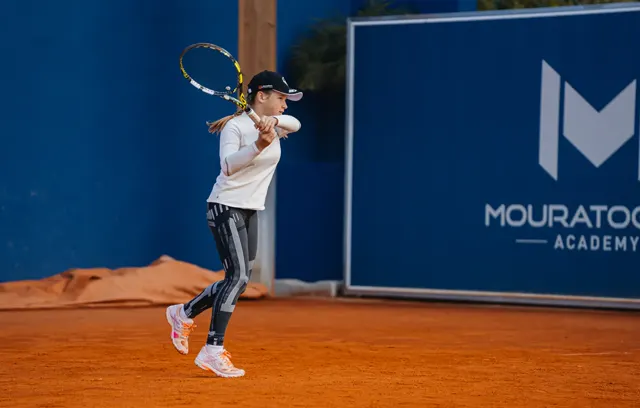
At the Mouratoglou Academy on the French Riviera (Biot, near Nice), we fix the two-handed backhand contact point with target drills and video, following the Mouratoglou Method. Watch Novak Djokovic’s backhand: contact in front of the body and perfect balance. Then put it into practice at a tennis camp.
 AdultsFull daysAll levelsPerformance Camp AdultA week of intensive tennis, 4 players per coach: technique, match play, physical and mental training.DISCOVER
 Frequently asked questions
What is the best grip for a two-handed backhand?
The most common combination is a continental grip for the dominant hand and an eastern or semi-western forehand grip for the non-dominant hand. It offers both control and power.
How can I add power to my two-handed backhand?
Work on weight transfer and on rotating the hips then the shoulders, rather than on arm strength. A contact point in front of the body and relaxed wrists do the rest.
Should I hit my backhand with topspin or flat?
Topspin is the base shot for consistency and high balls. The flat backhand is for attacking a short ball or finishing a point; it is riskier because it travels closer to the net.
Can you slice with a two-handed backhand?
Yes, but most players release the top hand to slice one-handed, which gives more reach and touch. The two-handed slice remains useful in defence against fast balls.
What drill helps find the right contact point on a two-handed backhand?
Place a cone about one step in front of your front foot and hit fed balls, aiming to make contact level with it. Start at medium pace, then speed up. Film yourself side-on: contact should be in front of your hip. At the Performance Camp Junior, a coach supervises this drill.