Technique · Volley
Tennis volley technique
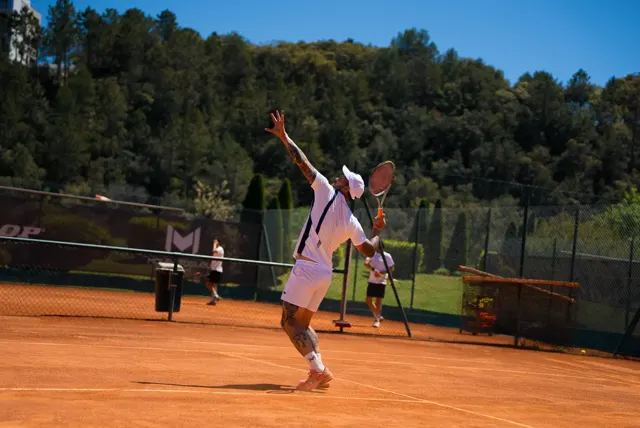
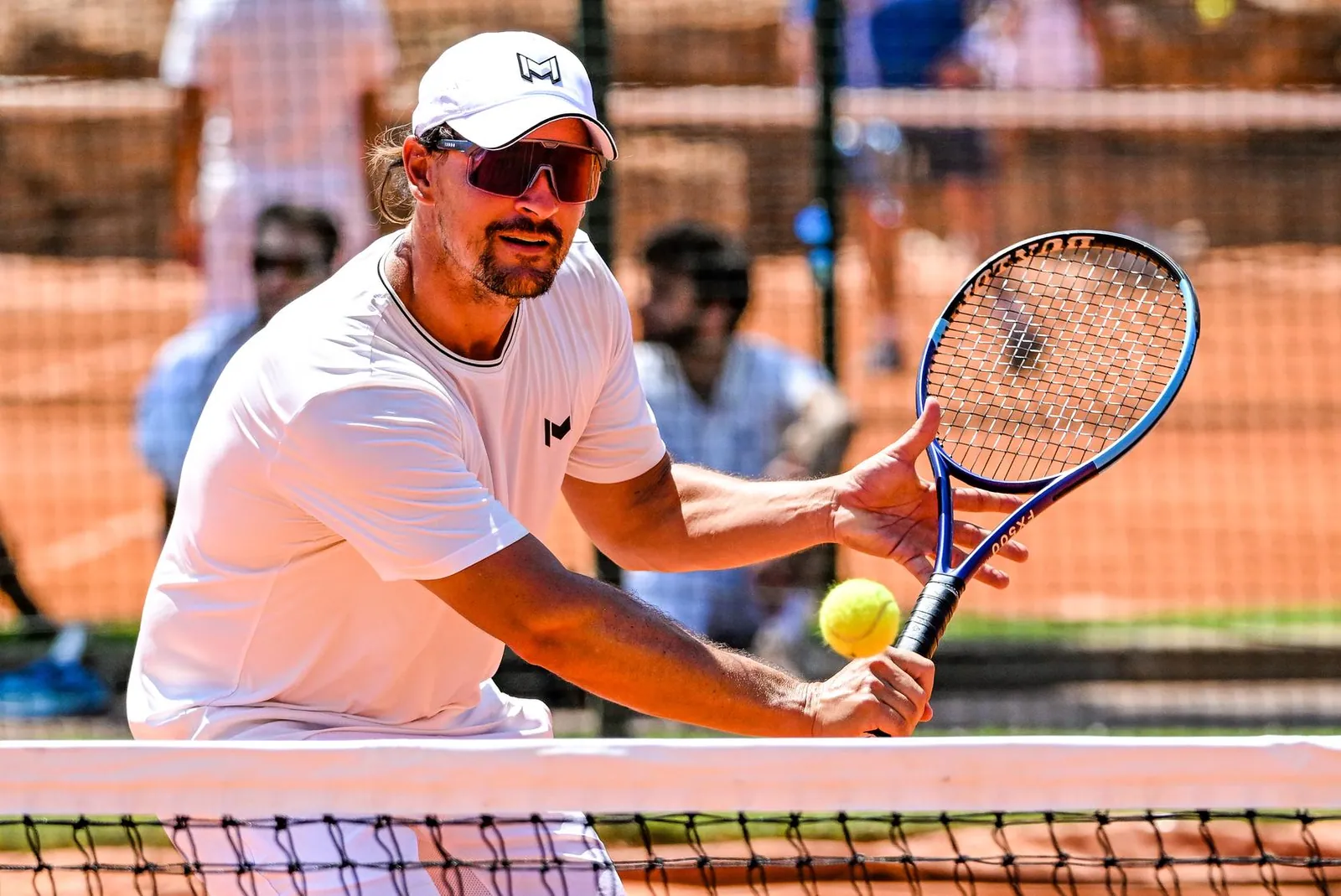
A volley in tennis is a shot played before the ball bounces, usually close to the net. Its technique comes down to four principles: continental grip, racquet in front, a short swing with no big backswing and contact in front of the body with a step towards the ball. You block or punch the ball rather than swing at it.
Key takeaways
- Definition: the volley is played before the bounce; it takes time away from your opponent and is used to finish points.
- Grip: the continental (hammer) grip lets you play forehand and backhand without changing grip.
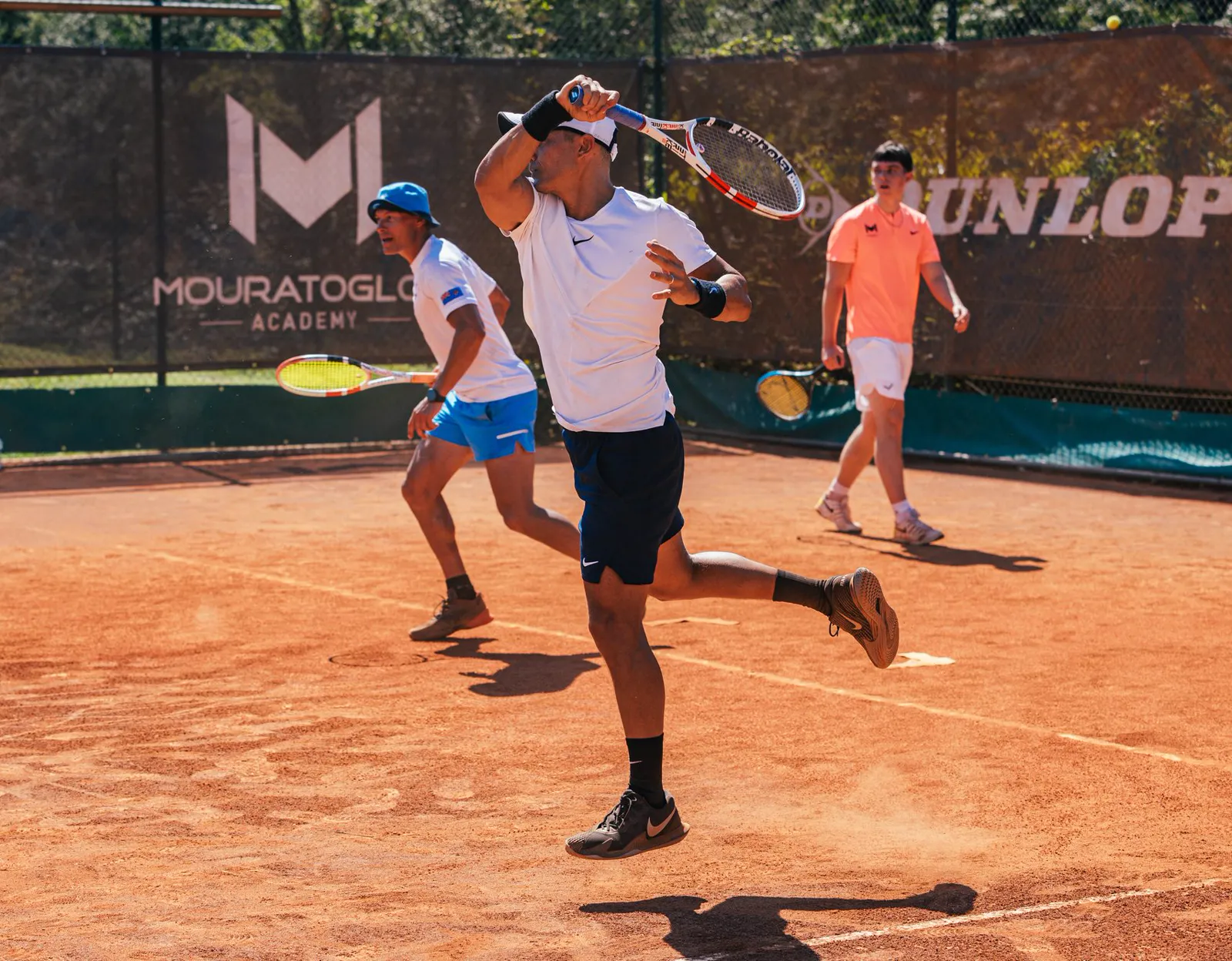
- Swing: a short preparation by turning the shoulders, no big backswing, contact in front of the body.
- Legs: the step forward (with the foot opposite your hitting side) gives the power, not the arm.
- Racquet head above the wrist, even on low volleys: bend your knees rather than drop the racquet.
Why work on your tennis volley technique?
To become a complete player. The volley lets you finish points quickly and stops your opponent regaining control from the baseline. At the net, reaction time is very short: the technique has to be simple and automatic, on both forehand and backhand.
It is also essential in doubles, where you spend much of the time near the net, and the natural follow-up to an attacking shot from the baseline or a serve and volley.
The basics: grip, ready position and preparation
The continental grip
The recommended grip is the hammer grip, or continental: it lets you play forehand and backhand volleys with the same grip, without losing time. Beginners sometimes start with an eastern grip on each side, which feels more natural, before moving to the continental.
The ready position
- Feet slightly wider than shoulder-width, knees bent, weight on the balls of your feet.
- Racquet in front, head up (at chest or chin height), free hand on the throat.
- Arms away from the body, shoulders slightly forward.
The preparation
It must be instant and short. Turn your shoulders towards the ball, which is enough to set the racquet; the arm does not go back behind the body. On the backhand side, the free hand goes with the racquet as you turn, then releases just before contact.
How to hit a volley, step by step
- Split step as your opponent hits.
- Shoulder turn towards the ball, racquet face slightly open, racquet head above the wrist.
- Step towards the ball with the opposite foot (left foot on a forehand volley for a right-hander, right foot on the backhand).
- Contact in front of the body, firm wrist, as the foot lands: the weight transfer gives the power.
- Short follow-through towards the target, no big swing; the racquet stops in front of the body.
- Recover straight away to the ready position for the next volley.
Forehand volley and backhand volley: the differences
| Forehand volley | Backhand volley | |
|---|---|---|
| Preparation | Slight shoulder turn, hitting arm open | Bigger turn, free hand on the throat of the racquet |
| Contact point | In front and to the side of the body | Even further in front, arm almost straight |
| Step | Left foot (right-hander) | Right foot (right-hander) |
| Difficulty | The most natural for most players | More technical, but very stable once mastered |
The backhand volley has its own subtleties (block volley, high volley, two-handed volley): they are covered in our article on the backhand volley.
Low, high or body volleys: adapting your technique
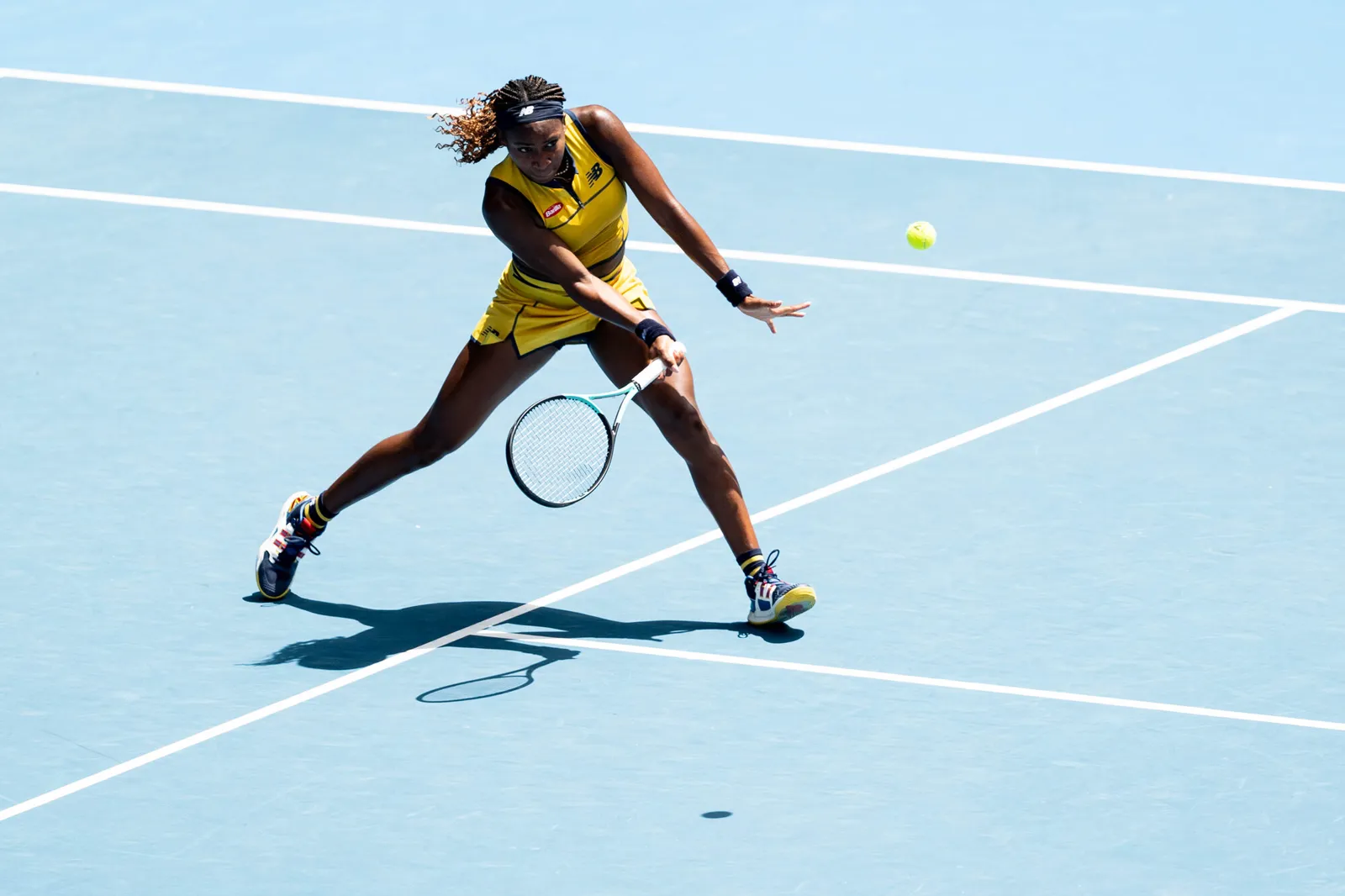
- Low volley (or half-court volley): often played as you move in. Bend your knees deeply to get down to the ball, face open; aim for depth rather than pace.
- High volley: the ball arrives above shoulder height. Prepare a little higher and hit firmly down into your opponent’s court. Above your head, the smash takes over.
- Body volley: common in doubles. Play it on the backhand, racquet in front of your stomach: it is the quickest way to get out of the ball’s path.
When should you come to the net, and with which racquet?
Come in when you have taken control: after a deep attacking shot, on a high or slow ball from your opponent, or after a drop shot that draws them forward. Your movement at the net makes the difference: split step, small steps and weight forward are covered in our article on footwork at the net.
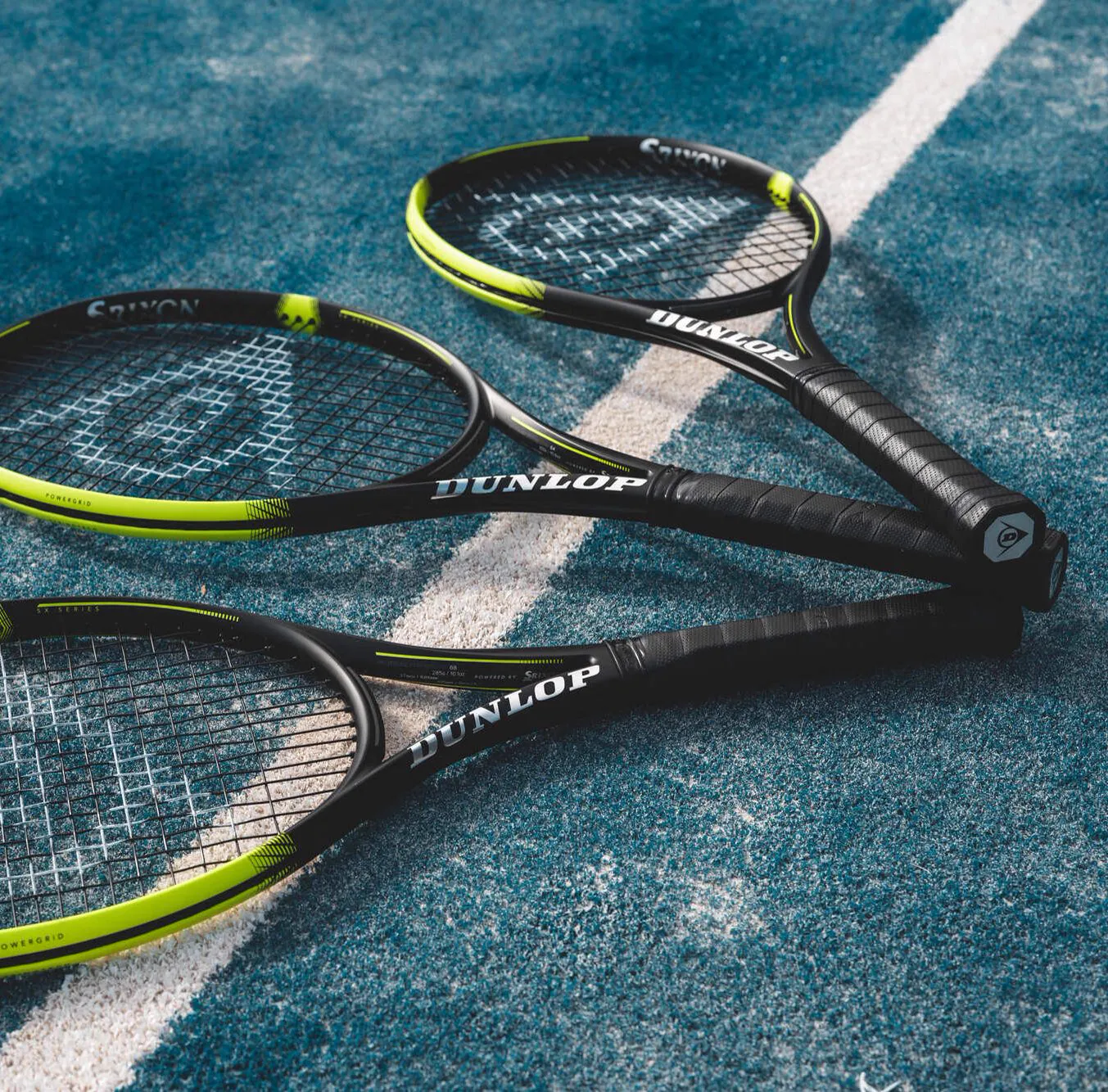
As for equipment, a manoeuvrable racquet helps you react faster at the net, and a mid-size head adds control. The choice mostly depends on your overall game: see our guide on how to choose a tennis racquet.
In the Mouratoglou Method, the volley is never trained in isolation: the approach, the positioning and the volley are repeated as one sequence. A good drop shot or a solid approach shot often sets up the point at the net. Our tennis camps at the Mouratoglou Academy on the French Riviera (Biot, near Nice) dedicate sessions to this forward game.
 AdultsFull daysAll levelsPerformance Camp AdultA week of intensive tennis, 4 players per coach: technique, match play, physical and mental training.DISCOVER
 Frequently asked questions
Which grip should I use for the volley?
The continental grip, also called the hammer grip. It lets you play forehand and backhand volleys without changing grip, which is essential given how little time you have at the net.
Should you take the racquet back before a volley?
No. Preparation is just a shoulder turn; the racquet stays in front of the body. A big backswing makes the racquet late and the volley inaccurate.
Where does the power of a volley come from?
From the step forward and the weight transfer at contact, as well as from the pace of the incoming ball. The arm simply blocks firmly and directs the ball.
How do you play a low volley?
Bend your knees to get down to the ball while keeping the racquet head above the wrist, face open. Aim deep and central, then move forward for the next volley.
How can you practise volleys without a partner?
A wall is an excellent tool: stand three or four metres away and keep volleying without letting the ball bounce, on the forehand then the backhand. It trains the continental grip, the short swing and your reflexes. Vary the distance to work on low volleys. To progress in real situations, the Performance Camp Adult offers net sessions with a coach.