Technique · Touch shots
How to hit the perfect drop shot in tennis
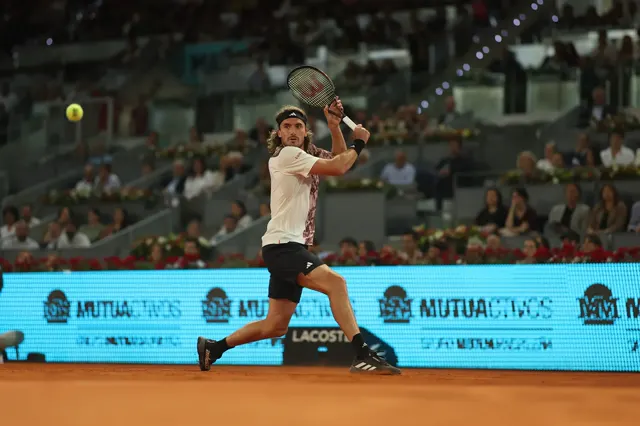
The tennis drop shot is a ball hit softly, with backspin, so that it just clears the net and bounces as close to it as possible before your opponent can reach it. It is played with a continental grip and a high-to-low swing, and works best when your opponent is well behind their baseline and you are inside the court.

Key takeaways
- Definition: a short, slow, sliced ball that lands near the net and barely bounces.
- Grip: preferably continental, which opens the racquet face slightly.
- Swing: the same preparation as a normal shot, then a cut under the ball with an open face and a short follow-through.
- Ideal moment: you are inside the court and your opponent is far behind the baseline.
- The key: disguise; a telegraphed drop shot is a failed drop shot.
What is a drop shot in tennis?
A drop shot means hitting the ball with very little pace and backspin so that it barely clears the net and lands close to it. The spin brakes the ball on the bounce and sometimes even pulls it back towards the net. Your opponent, usually at the back of the court, has to sprint forward to reach it before the second bounce.
The drop shot is played on both forehand and backhand, after the bounce; played out of the air near the net, it becomes a drop volley. When you answer a drop shot with another one, it is a counter drop shot.
Drop shot technique, step by step
- The grip: use a continental grip (base of the index finger on bevel 2), which naturally opens the face and makes backspin easy. Some players keep their forehand grip and open the face with the wrist, but that is harder to control. See our article on the continental grip.
- The preparation: prepare exactly as for a groundstroke, shoulders turned. That is what disguises your intention.
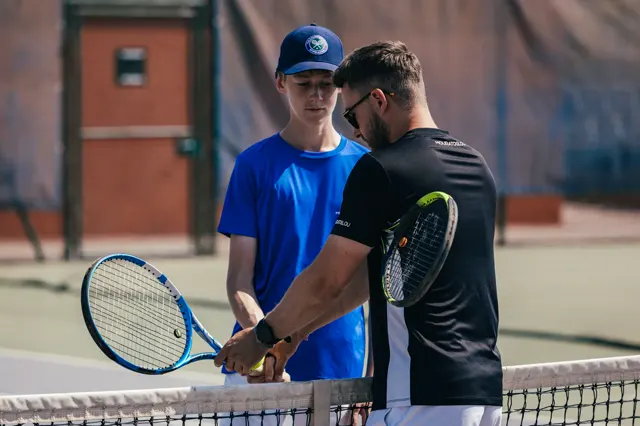
- The cut: the racquet comes from above the ball and slides under it, face open, in a soft, flattened “U” shape. Slow the racquet head just before contact.
- The touch: soft hand, very short contact; the idea is to “absorb” the pace of the ball rather than hit it.
- The follow-through: short, towards the target, racquet head slightly above the wrist.
- Recovery: move forward after your drop shot. An opponent who reaches it will often play short or cross-court: be ready.
When should you play a drop shot?
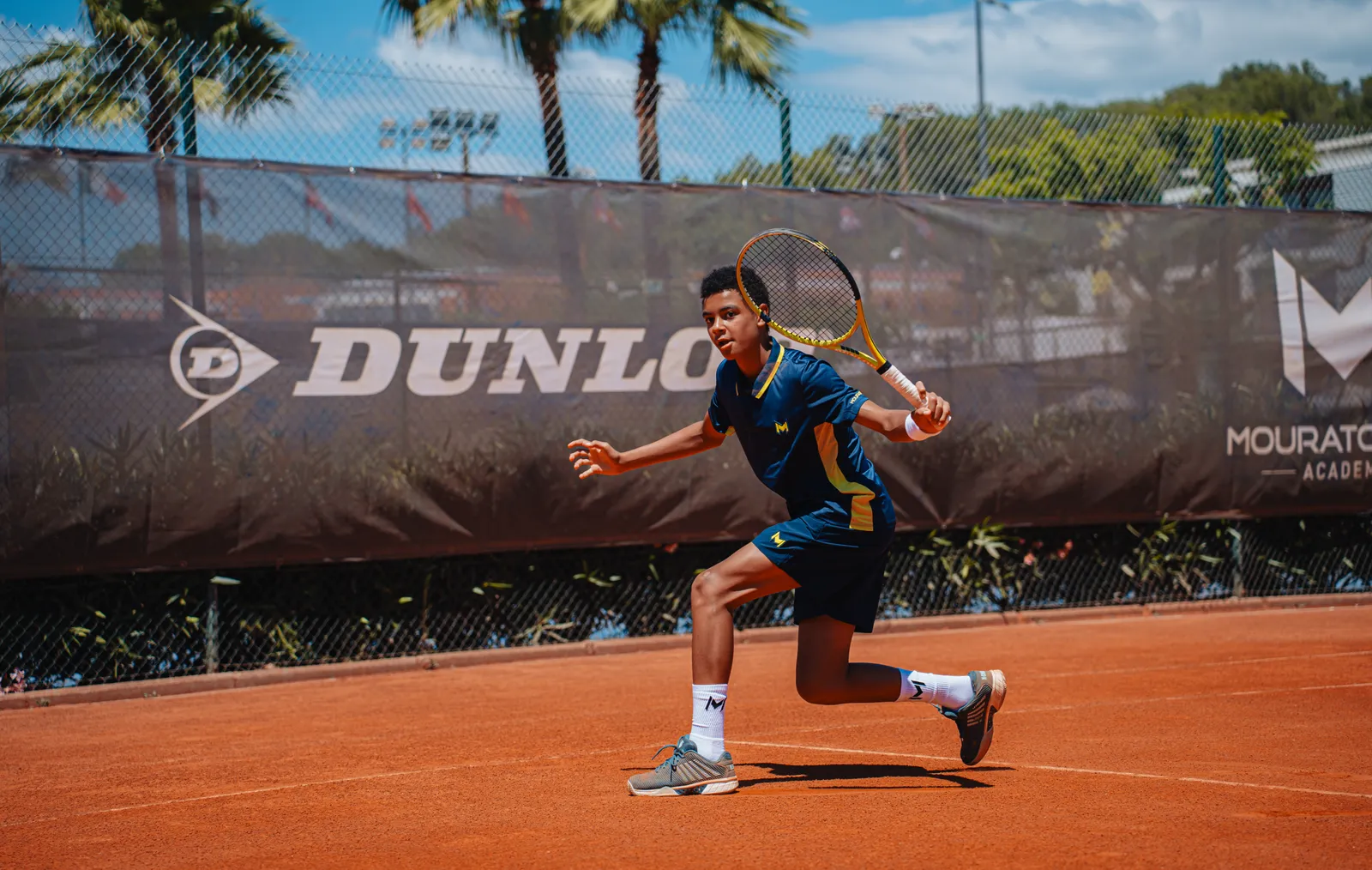
The drop shot is above all a tactical shot. Well chosen, it wins the point or tires your opponent; badly chosen, it hands them an easy ball.
| Situation | Drop shot? | Why |
|---|---|---|
| You are inside the court, opponent far behind the baseline | Yes | Maximum distance for them to cover |
| Slow or tired opponent | Yes | They will hesitate and arrive late |
| After several deep, heavy balls | Yes | Surprise, change of pace |
| Headwind or heavy balls on clay | Yes | The ball slows down and barely bounces |
| You are well behind your own baseline | No | The ball travels too long; your opponent has time |
| Opponent close to the net or very quick | No | They reach it and pass you |
On the return, a drop shot can also surprise a server who stays far behind the baseline, but it is risky: keep it for slow or predictable serves.
 AdultsFull daysAll levelsPerformance Camp AdultA week of intensive tennis, 4 players per coach: technique, match play, physical and mental training.DISCOVER
 Disguise: the secret of a successful drop shot
A technically perfect but telegraphed drop shot will be retrieved. Surprise matters as much as touch:
- Same preparation as your usual forehand or backhand: shoulders, racquet height, footwork.
- Late decision: open the face at the very last moment.
- No giveaway: avoid straightening up, slowing down or visibly changing grip.
- Set it up: play two or three deep, heavy balls that push your opponent back before going short.
What should you do after a drop shot?
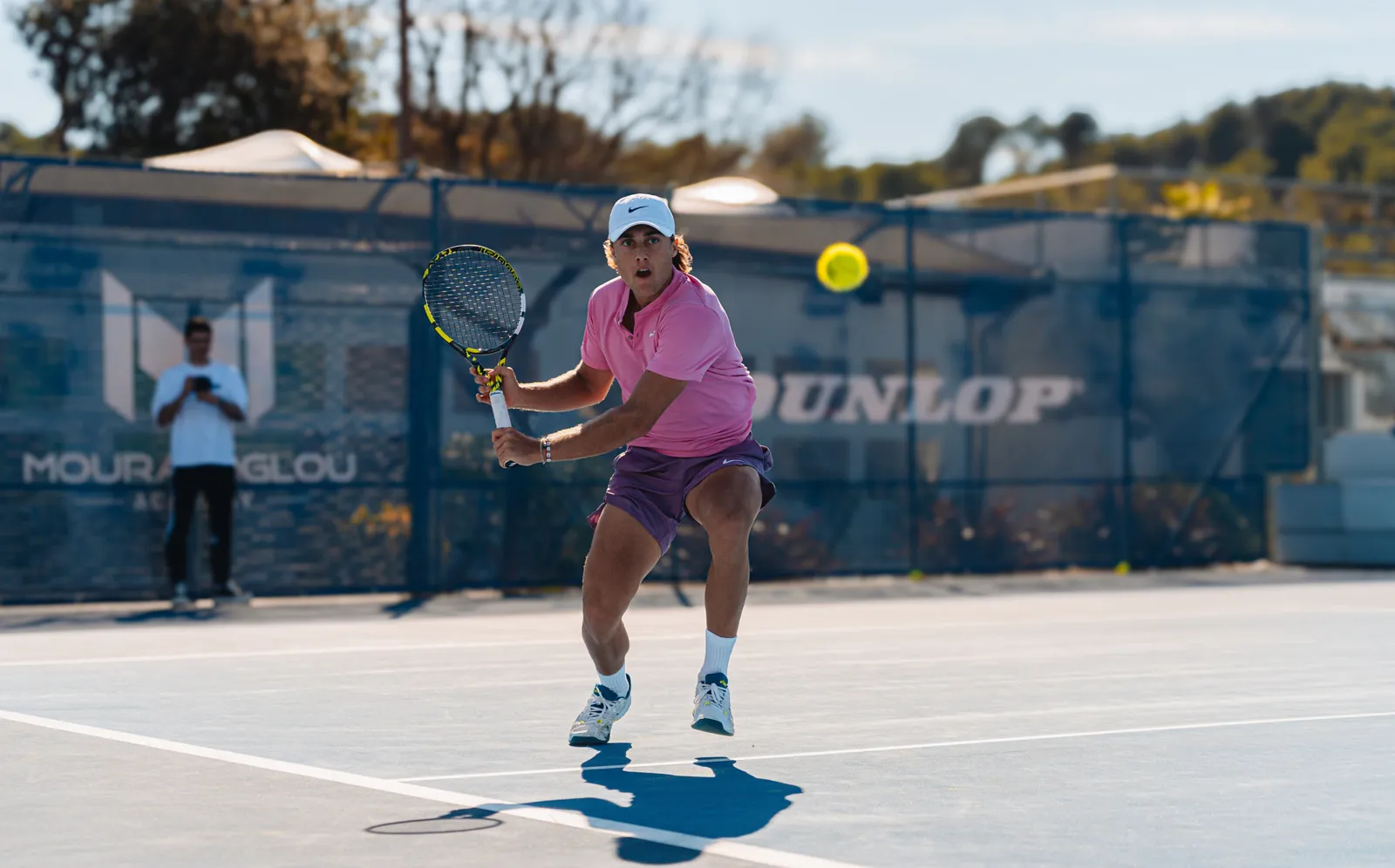
The drop shot does not always end the point. If it is retrieved, your opponent arrives at the net, often off balance. Move forward a few steps to cover their short reply, and keep the lob in mind: an opponent who has sprinted to the net is very exposed to a ball over their head. See our article on lob technique. If you are already at the net, the volley takes over.
Common mistakes and drills to improve
Mistakes to avoid
- Playing it from too far back: from deep in the court, the ball takes too long to arrive.
- Aiming too close to the net: unforced errors follow; give yourself margin in height.
- Hitting without spin: without backspin, the ball bounces forward and your opponent reaches it easily.
- Telegraphing it: different preparation, body straightening up.
- Overusing it: by the third drop shot of the game, your opponent is waiting for it.
Drills
- Sliced mini-tennis: rallies inside the service boxes, sliced balls only, to develop touch.
- Target on the ground: place a target between the net and the service line; 10 forehand and 10 backhand drop shots on balls fed by the coach.
- Deep-deep-short: two deep balls, then a disguised drop shot. Your partner tries to read it.
- Drop shot and lob: play the drop shot, then lob your opponent’s reply.
This touch work features in our adult camps; for young competitors, the Tournament Camp Junior builds it into match situations. For the forehand swing that underpins the disguise, see our forehand guide.
In the Mouratoglou Method, the drop shot is linked to a game plan: it only works if it extends your tactics. Work on your net footwork too, so you can follow your drop shot in, and see our guide on improving your technique. Our tennis camps at the Mouratoglou Academy on the French Riviera (Biot, near Nice) build this shot into match situations.
Frequently asked questions
Which grip should I use for a drop shot?
The continental grip is best: it naturally opens the racquet face and makes backspin easy. It also lets you play the drop shot on both forehand and backhand with the same grip.
How do I make my drop shot harder to read?
Prepare it exactly like a groundstroke and only open the racquet face at the last moment. Play it after a series of deep balls that push your opponent back, to create surprise.
How do you respond to a drop shot?
React as early as possible with your racquet already up, and play the ball before the second bounce. Depending on your position, reply with a cross-court counter drop shot, push the ball deep down the line, or lob if your opponent moves in.
Is the drop shot a good shot on clay?
Yes, it is particularly effective on clay: players tend to stand further back, and the surface slows the ball and keeps the bounce low. It is harder on fast courts, where the ball skids forward after the bounce.
When should you avoid playing a drop shot?
Avoid it when you are on the defensive, far behind the baseline: the ball travels too far and your opponent has time to reach it. It is also risky in windy conditions, against a very fast opponent who stands close to the baseline, or on a fast court where the ball keeps going. On the Tournament Camp Junior, coaches work on these shot-selection decisions in match play.