Tactics · Serve
Serve and volley in tennis: master the art of the fast attack
Serve and volley means coming to the net straight after your serve to finish the point with a volley, without letting a rally develop. It relies on three things: a well-placed serve, a balance check (split-step) as the returner hits, and a first volley that is deep rather than powerful. Rarer than it used to be, it remains a formidable weapon, especially on fast courts and in doubles.
Key takeaways
- Definition: the server follows the serve to the net and plays the next shot as a volley.
- Placement beats pace: a well-placed slice or kick serve gives you time to come in.
- Split-step: a small balancing hop as the returner strikes the ball, around the service line.
- First volley: deep and placed, not necessarily a winner; the point is often won on the second.
- Where to use it: fast surfaces (grass, hard courts), doubles, and to surprise a returner standing deep.
What is serve and volley in tennis?
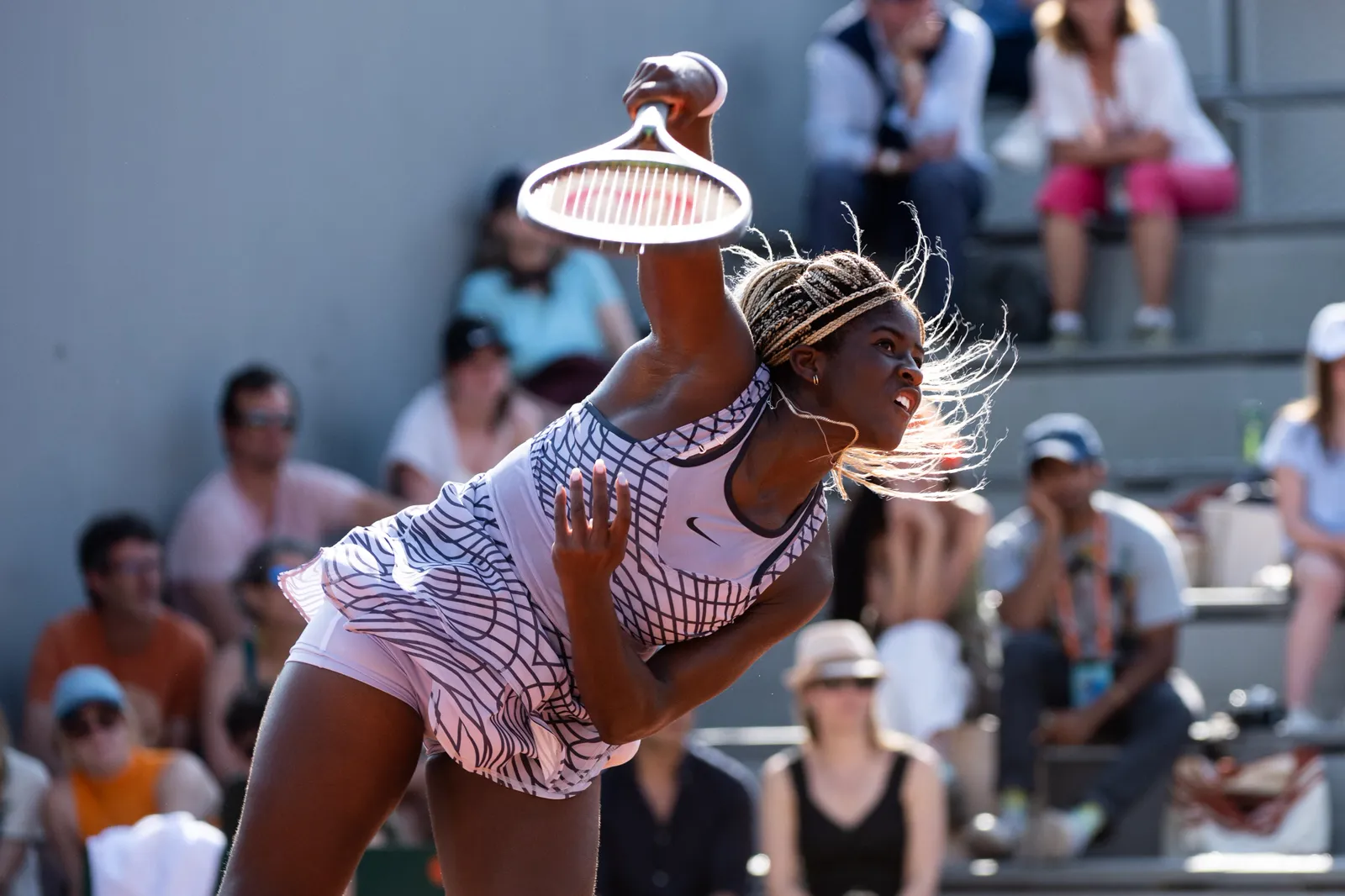
Serve and volley is an attacking pattern: after serving, you move straight in towards the net to play the next shot as a volley. The aim is to cut down your opponent’s reaction time: they have to find a low return or a passing shot under pressure, instead of building the rally from the baseline.
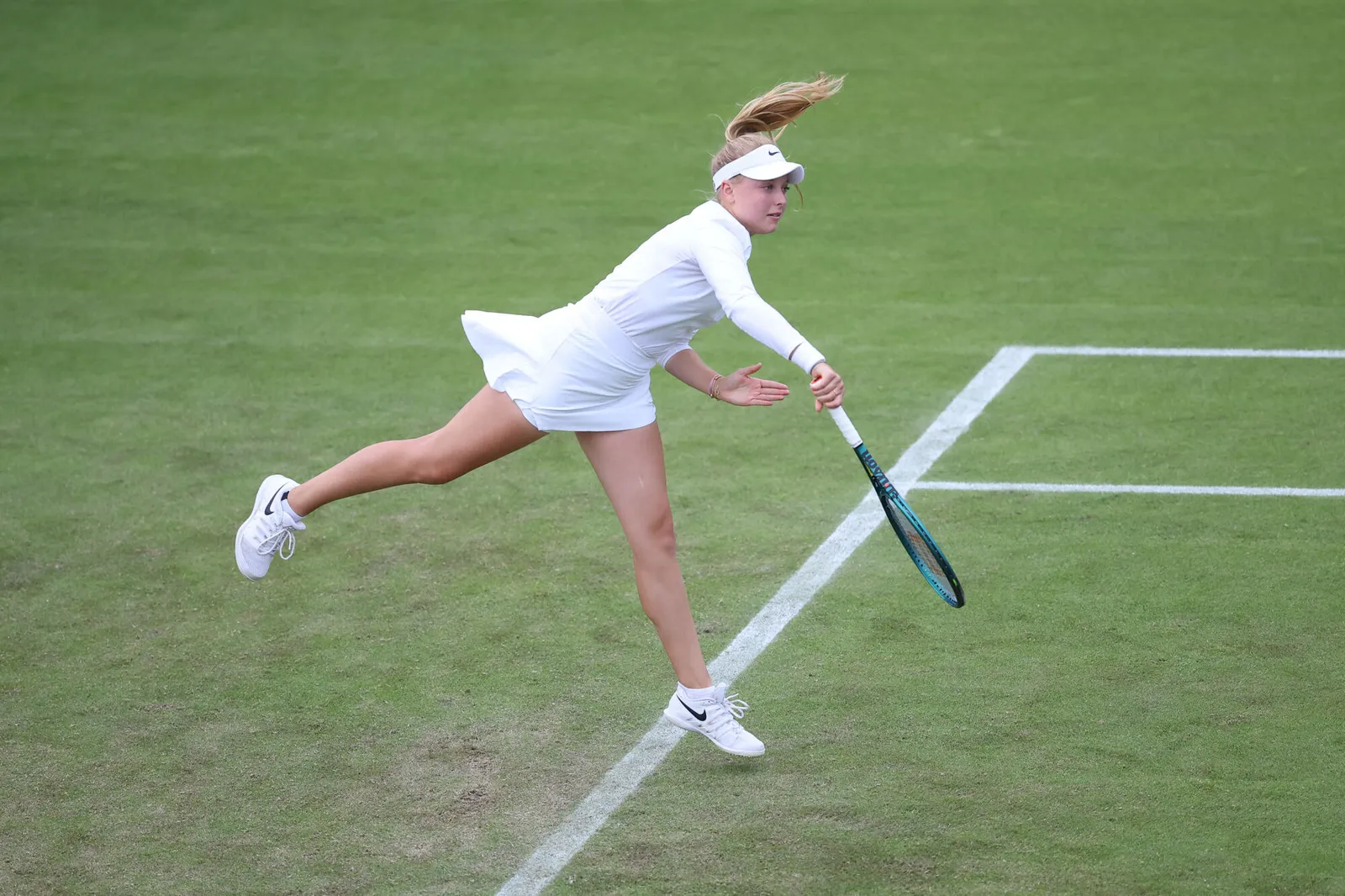
It was widespread when several major tournaments were played on grass, and became rarer as courts slowed down and returners grew more powerful. But it is still effective in spells, and essential in doubles.
Advantages and risks of serve and volley
| Advantages | Risks |
|---|---|
| Short points, less fatigue | Depends on a well-placed serve |
| Constant pressure on the returner | Exposed to passing shots and lobs |
| Effective on fast surfaces | Less rewarding on slow clay |
| Breaks the rhythm of a baseliner | Needs a solid volley and footwork |
Without an awkward serve, the returner reads your approach and plays an aggressive return at your feet. That is why serve and volley starts with the serve itself: see our guide to serve technique.
How to serve and volley, step by step
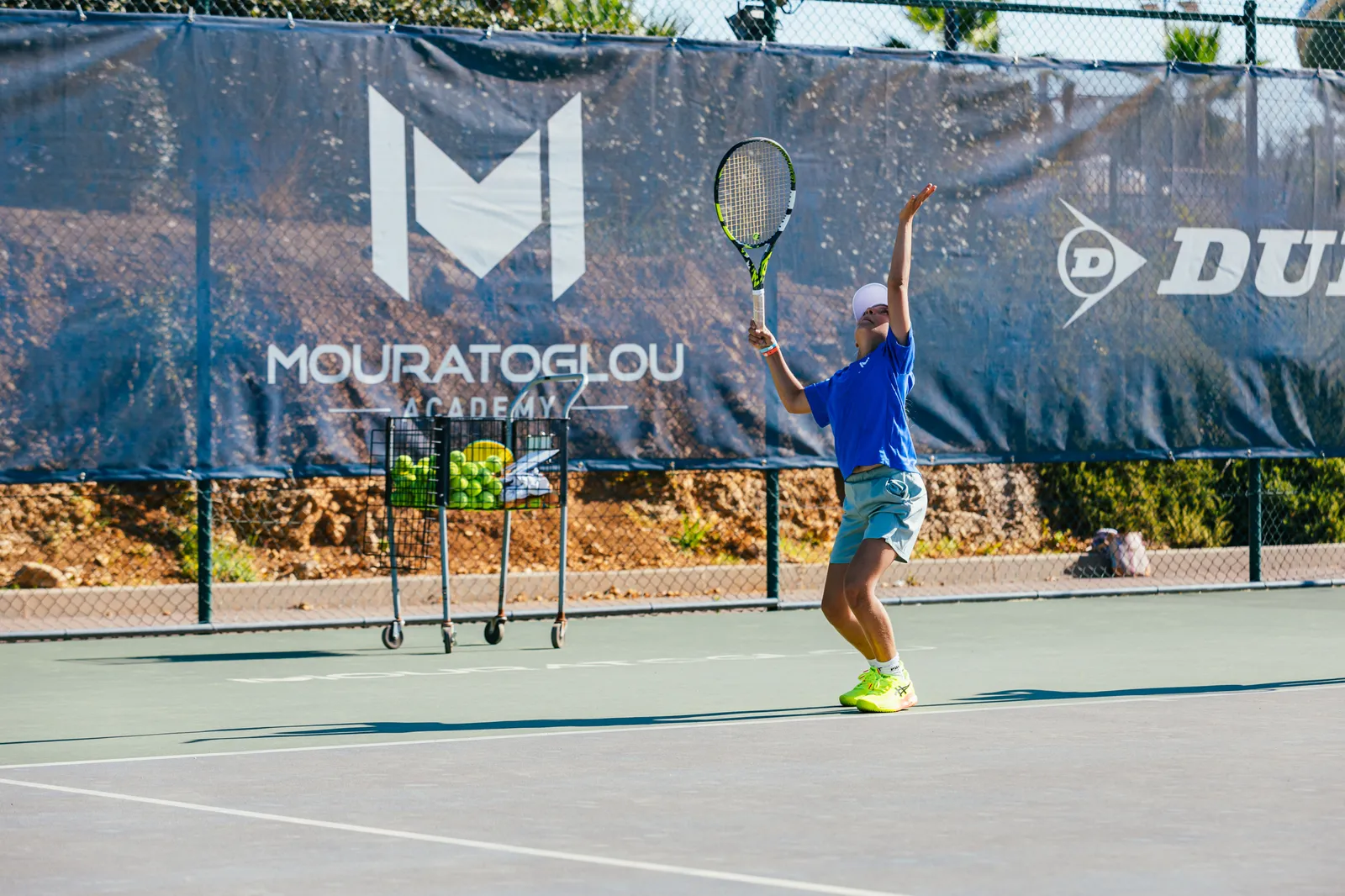
- Choose a serve that buys you time: a well-placed slice or kick rather than a flat serve at full pace. Aim down the T to reduce the returner’s angles, or out wide to open the court.
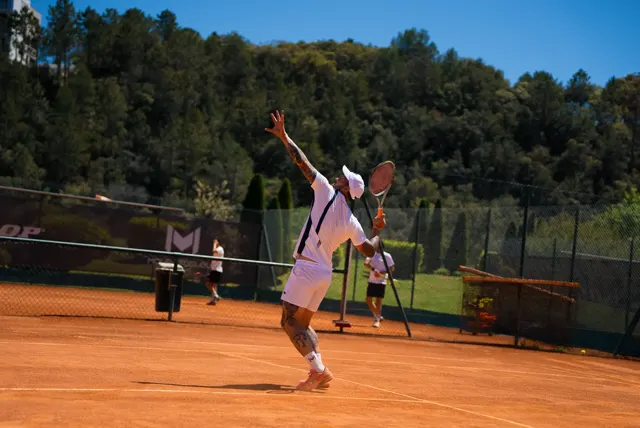
- Let the motion carry you forwards: the end of the serve, landing on the front leg, is already your first step to the net.
- Move in with 3 or 4 quick strides along the line of your serve, without charging blindly.
- Split-step at the exact moment the returner hits the ball, usually around the service line: a small hop to regain balance and push off in the right direction.
- Play a deep, placed first volley, often cross-court or through the middle, then keep moving forwards.
- Finish with the second volley or the smash, now close to the net.
Which first volley should you play after the serve?
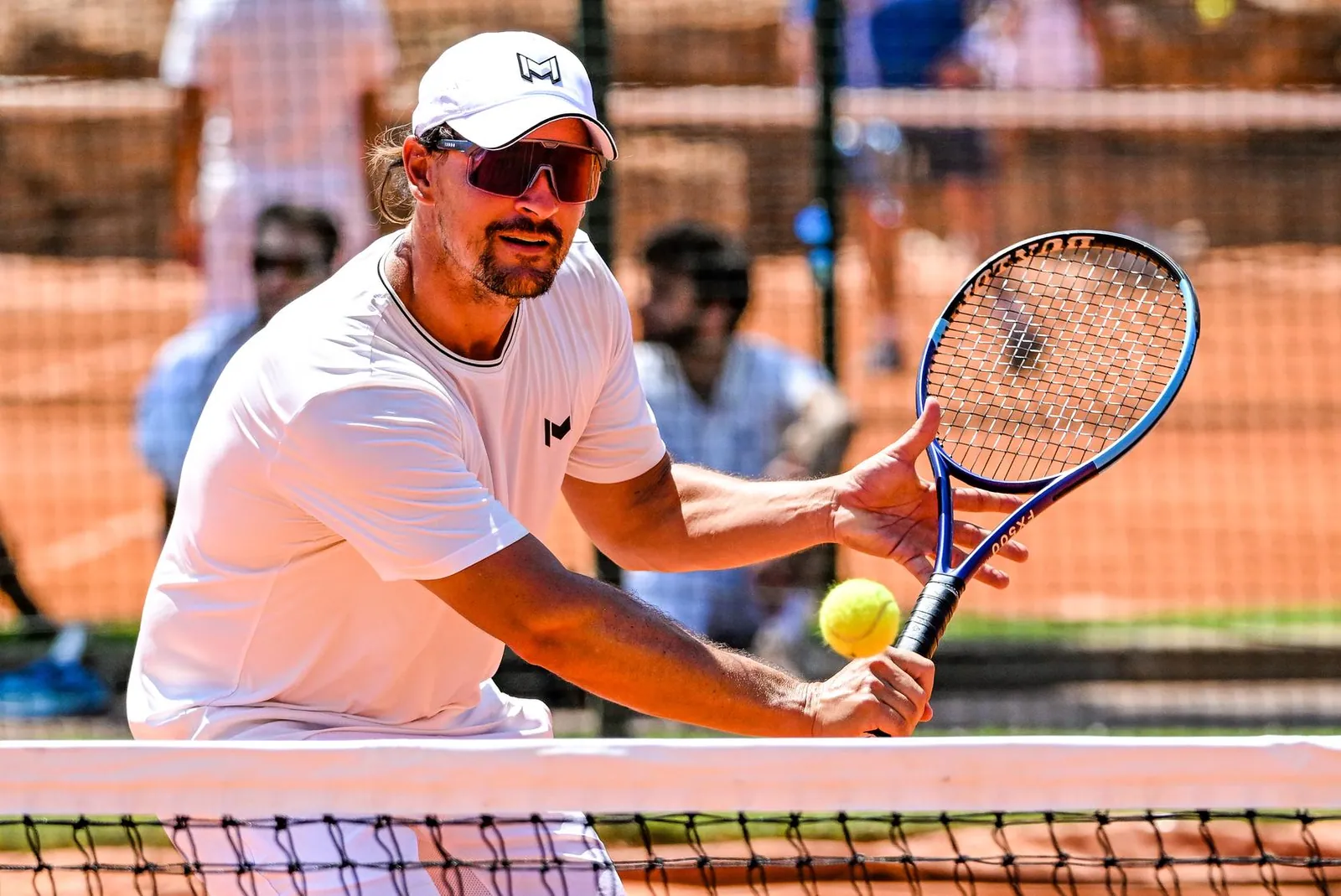
The first volley is rarely easy: the return comes in low, often at your feet. Keep the continental grip so you do not need to change, shorten the swing and use your body weight rather than your arm.
- Low return: low volley or half-volley, knees bent, face open, aiming for depth.
- Mid-height return: volley into the open space, mixing cross-court and down the line to stay unpredictable.
- High or weak return: move in and finish with a high volley or a smash.
The detailed technique is in our article on volley technique, and the movement in our piece on footwork at the net.
When should you serve and volley?
- On fast courts (grass, quick hard courts, indoors), where the ball stays low and the returner has less time.
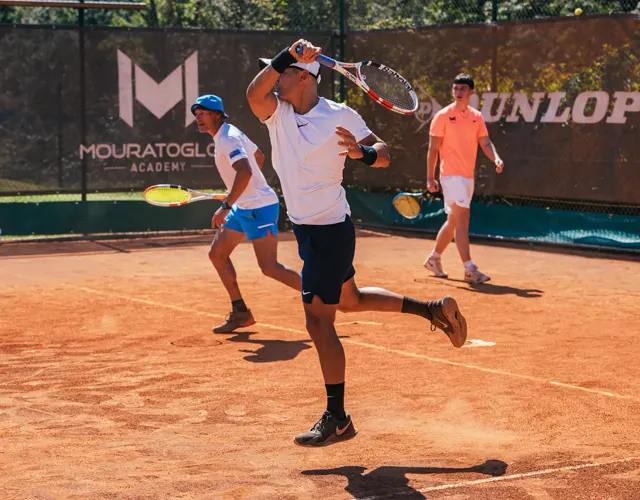
- In doubles, where following the serve in is standard to form a wall with your partner, for example in the Australian formation.
- Against a returner standing far back: they leave a big space in front of them.
- To surprise: a few serve-and-volley points per set, on chosen moments, are enough to unsettle a baseliner.
In competition, this kind of variation is practised in match situations: it is one of the focuses of our Tournament Camp Junior and our Performance camps.
 Ages 9–17Full daysBoarding optionPerformance Camp JuniorThe intensive camp for young players: technique, tactics, fitness and mindset, 4 players per coach.DISCOVER
 Common serve-and-volley mistakes
- Serving too hard at the expense of placement: a fast serve down the middle comes back at your feet even faster.
- Forgetting the split-step: you arrive off balance and miss a volley you could have made.
- Coming in predictably: always on the same serve at the same moment, and the returner gets organised.
- Trying to win the point on the first volley: a rushed volley ends up in the net or out.
- Stopping after the first volley: keep moving forwards to close down the angles.
Serve and volley requires sound net footwork, a solid backhand volley and a reliable overhead to finish. At the Mouratoglou Academy on the French Riviera (Biot, near Nice), it is built into the game plan of players whose profile suits it, following the Mouratoglou Method.
Frequently asked questions
Is serve and volley still used today?
Yes, although less often than when courts were faster. It is still a weapon on grass and quick hard courts and against defensive players, and it is standard in doubles. Many players use it in spells to vary their game.
Is serve and volley only for professionals?
No. Any player can use it, provided they have a well-placed serve and a reliable volley. At club level it is actually an excellent way to pressure an opponent who sends everything back from the baseline.
How do you prepare physically for serve and volley?
Work on leg explosiveness (quick starts, small jumps), agility and footwork at the net. A split-step repeated dozens of times per match also needs strong calves and thighs.
Should you come in behind your second serve?
It is riskier, because the second serve is slower and easier to attack. It is mostly done in doubles or as a surprise, behind a deep kick serve that forces the returner to hit above shoulder height.
How do I add serve and volley to a baseline game?
Start with one or two attempts per service game, behind a well-placed first serve, to surprise your opponent. Pick points where you lead in the score and watch the quality of their return. On the Performance Camp Junior, coaches add this pattern gradually into themed match play.