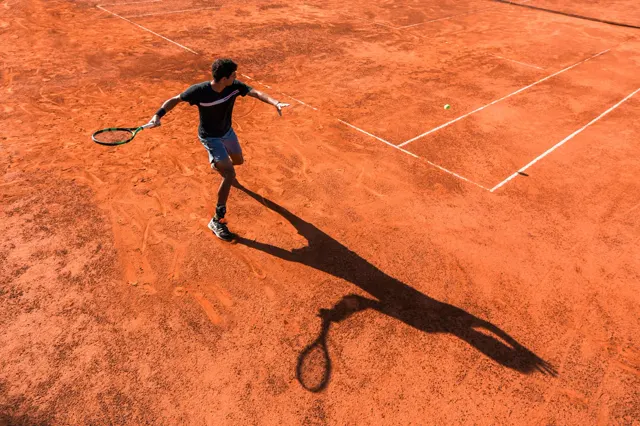
Tactics · Against a volleyer
How do you beat a player who comes to the net?
To beat a player who comes to the net, first stop them approaching by playing deep; then, once they are at the net, mix passing shots, balls at their feet and lobs to make them hesitate. Placement matters more than power: a well-aimed pass beats a big shot through the middle.

Key takeaways
- Prevention first: a deep ball makes approaching difficult; a short ball invites it.
- Aim at the feet: a low ball forces the volleyer to play a defensive volley upwards.
- Mix passing shots and lobs: once they crowd the net, the lob becomes your most effective weapon.
- Placement before power: hitting hard down the middle makes the volley easy.
- The first pass does not have to be a winner: the second shot is often enough.
Why is a player who comes to the net so dangerous?
Coming to the net shortens the rallies and cuts your reaction time. The volleyer takes the ball early, closes down the angles and forces you to find an ever narrower gap. If you let them, every point becomes a test of accuracy under pressure.
The most extreme version is serve-and-volley, where the player follows the serve straight in: it is covered in our article on serve and volley. But many players also come in behind an approach shot after a baseline rally.
The volleyer’s weak spots
- Low balls at the feet, which force them to volley upwards with no power.
- Lobs, especially when they are very close to the net: they have to move back and hit off balance.
- Poorly prepared approaches, behind a short ball or down the middle.
- Court coverage: they cannot cover the cross-court pass, the down-the-line pass and the lob all at once.
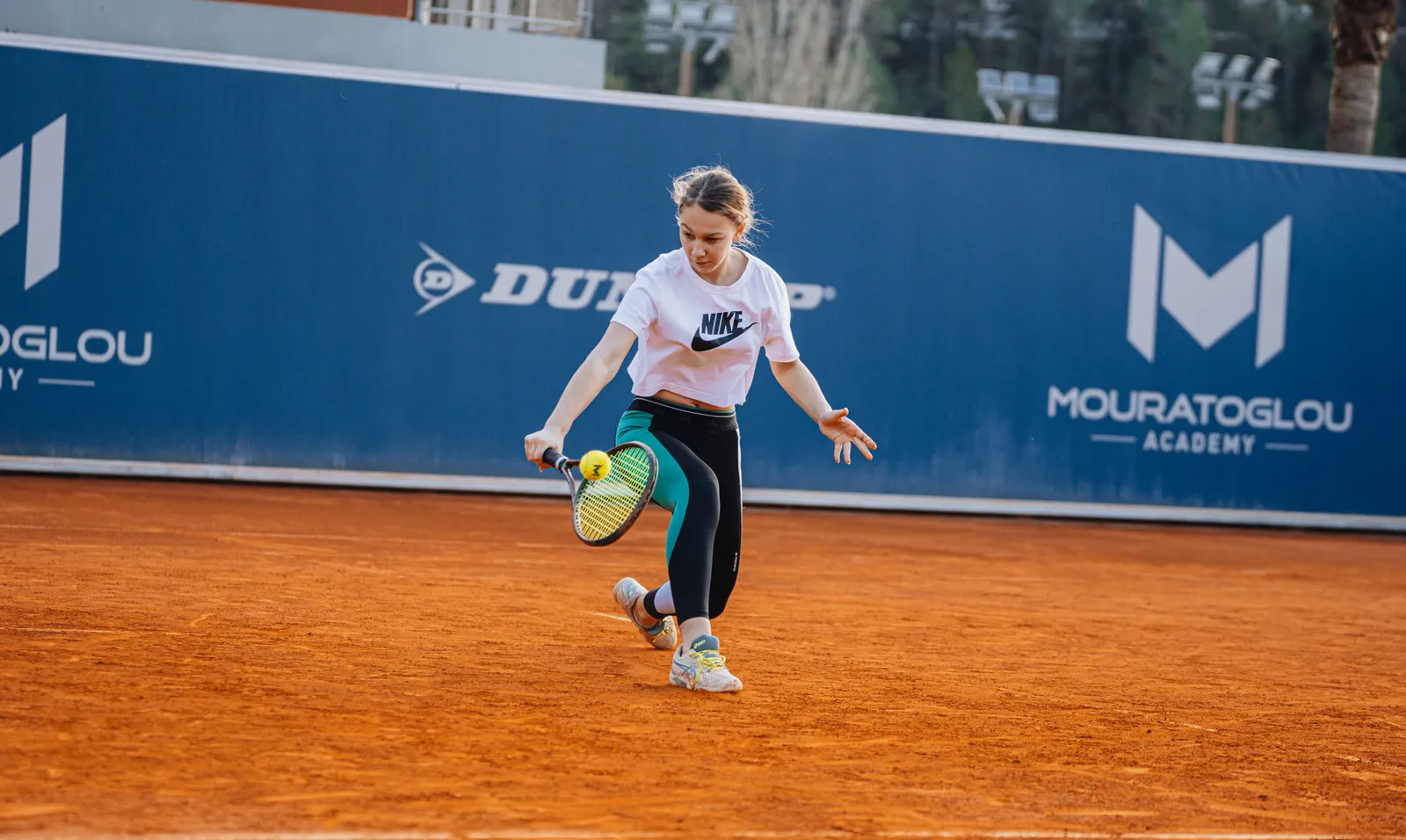
How do you stop your opponent coming to the net?
The best defence against a volleyer is not giving them the approach ball. Players come in behind a short, slow or central ball. Play deep and varied, and they will find it much harder to move forward.
- Play deep: a ball bouncing near their baseline makes the approach risky.
- Return low against a serve-and-volleyer: a return dipping at their feet is more awkward than a fast, high one. See our article on return of serve tactics.
- Vary: high topspin, low slice, slow then fast balls disrupt their anticipation.
- Take the initiative yourself: if you are the one attacking, they cannot come in.
Which shots should you play when they are at the net?
1. The passing shot, cross-court or down the line
A passing shot goes past the player at the net. The cross-court pass gives more margin (lower net, longer distance) and drags the opponent wide; down the line is more direct but riskier. Aim low, around the height of the net tape, so the ball dips.
2. The ball at the feet
You don’t always need to pass them first time. A low, slow ball at their feet, often with topspin or slice, forces a defensive volley. The winning pass comes on the next shot, off a weaker volley: this is the two-shot pass.
3. The lob
The closer your opponent is to the net, the more effective the lob. A topspin lob, which kicks away after the bounce, is the hardest to chase down; a high, deep defensive lob buys you time to recover. Aim for their backhand side, where the smash is harder. The full technique is in our article on the lob in tennis.
| Situation | Recommended shot |
|---|---|
| Opponent crowding the net | Lob, ideally to the backhand side |
| Short or central approach | Cross-court or down-the-line pass |
| Deep, well-placed approach | Low ball at the feet, pass on the next shot |
| You are stretched | High defensive lob to recover |
 AdultsFull daysAll levelsPerformance Camp AdultA week of intensive tennis, 4 players per coach: technique, match play, physical and mental training.DISCOVER
 Which drills help you play better against a volleyer?
- Passing shots on the move: a partner hits an approach and comes to the net. You play the pass on the run, alternating cross-court and down the line. Goal: accuracy on a moving ball.
- Lobs under pressure: your partner at the net hits quick volleys. On a signal, or on a given ball, you lob. Goal: the right height and depth despite the pressure.
- Baseline rally with variety: mix deep balls, low slices and high topspin; your partner may only come in on a short ball. Goal: an unpredictable game that makes approaching difficult.
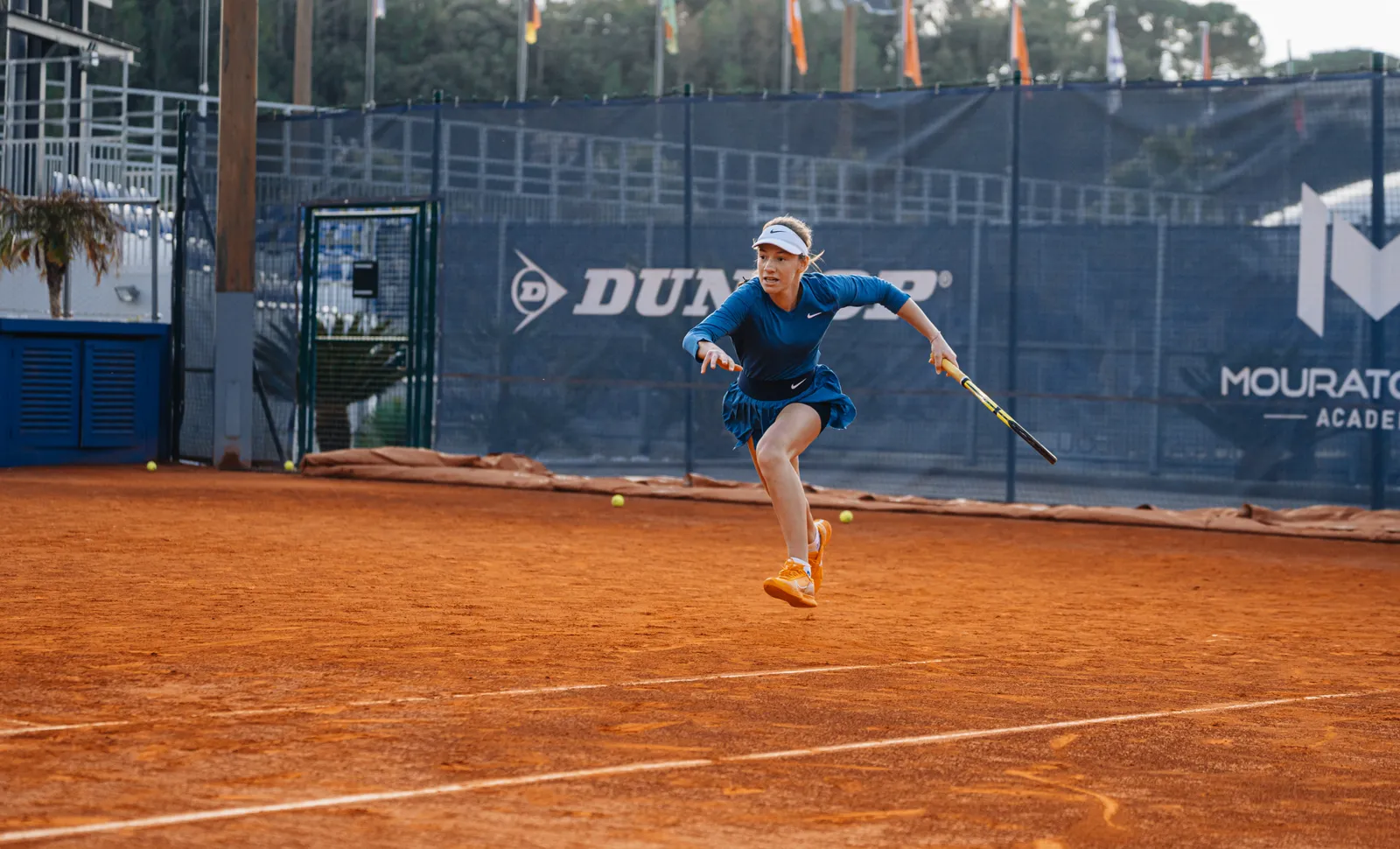
These situations are part of the Academy’s camps, for example the Performance Camp Junior, where coaches put players up against every style of opponent.
Which mistakes should you avoid against a net player?
- Always hitting hard: a powerful ball through the middle is easy to volley. Placement beats power.
- Always playing the same shot: if you only pass, they crowd the net; if you only lob, they stay back. Mix it up.
- Landing short: a short ball hands them the approach.
- Trying to win the point first time: a ball at the feet followed by a second pass is often safer.
- Losing heart after a winning volley: they will make some. Stick to your plan and the percentages will turn your way.
To see where this plan fits among other tactical answers, read our guide to tennis tactics.
At the Mouratoglou Academy on the French Riviera (Biot, near Nice), we drill passing shots and lobs repeatedly against a coach at the net, following the Mouratoglou Method. It is also a matter of baseline tactics: an opponent who cannot attack cannot come in. These patterns are central to our tennis camps.
Frequently asked questions
How do you counter a serve-and-volley player?
Return low and at their feet rather than hard: they then have to play the first volley upwards. Block the return with a short swing, then play the pass or the lob off the next volley.
Should I hit the passing shot cross-court or down the line?
Cross-court is safer because the net is lower in the middle and the distance is longer. Down the line is more direct and works well if your opponent covers the cross-court. Watch their position to decide.
When should I lob a net player?
When they are very close to the net, when you are stretched and need time, or after several passing shots have drawn them in. Aim for their backhand side, where the smash is harder.
Why aim at the volleyer’s feet?
A low ball forces them to volley from below net height, so upwards and without power. It often gives you an easier ball for the next passing shot.
How can I practise passing shots without a partner who rushes the net?
Without a volleyer, focus on accuracy: put targets in the alleys and in the cross-court service box, and hit from a short ball or on the run. Coached work remains the best option: at the Performance Camp Adult, a coach plays the net-rusher and varies the approaches so you learn to choose the right shot.