Technique · Serve
Kick serve: how to hit a reliable kick serve
The kick serve is the second-serve weapon: the ball clears the net high, dives into the box thanks to the spin, then kicks up and sideways. It relies on three things: a toss above the head, a low-to-high, left-to-right brushing action (right-hander) and a committed acceleration of the racquet. Once mastered, it all but eliminates double faults.
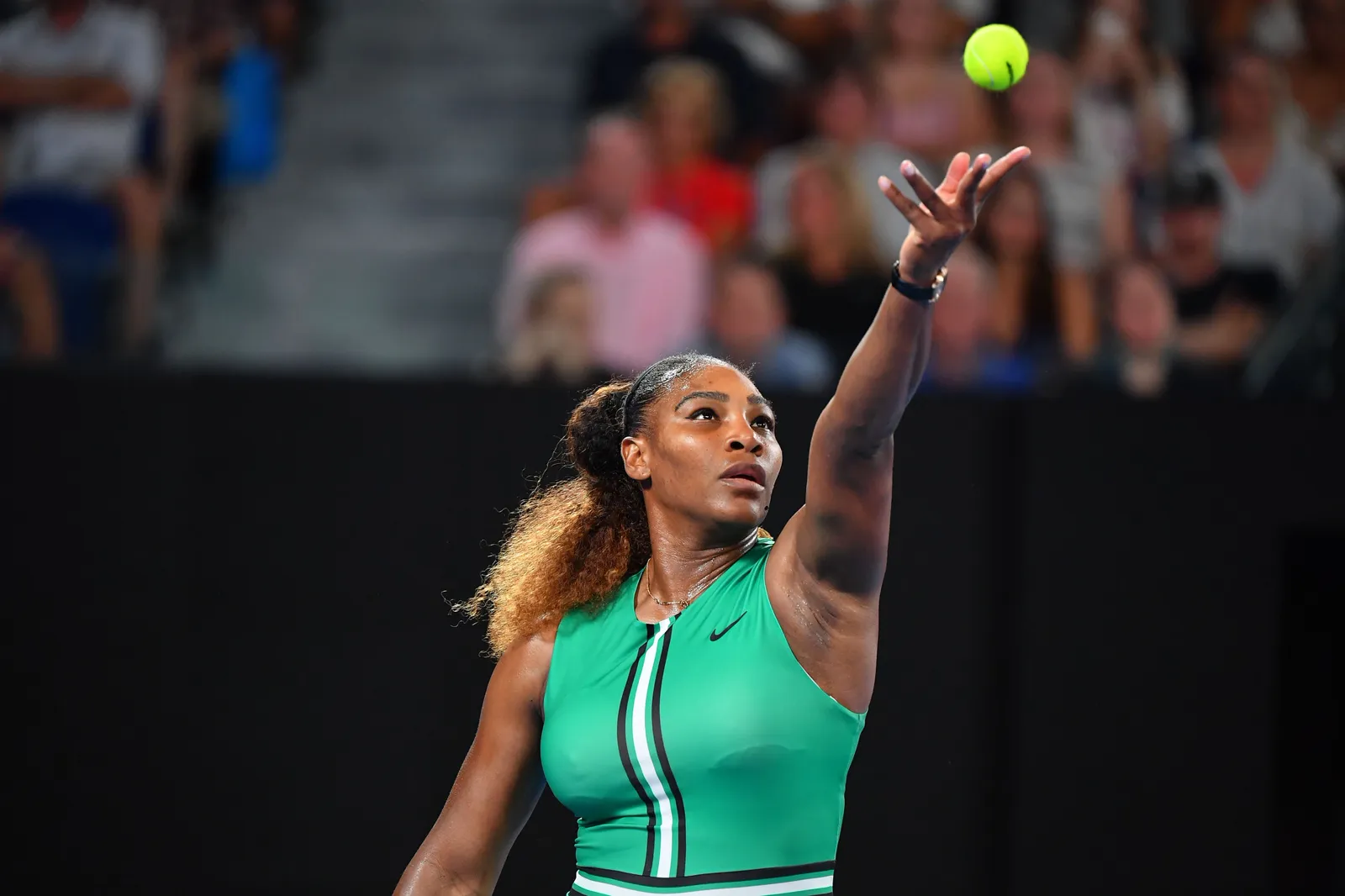
Key takeaways
- Continental grip, or slightly towards a backhand grip: essential to brush the ball.
- Toss above the head, even slightly behind, rather than in front as for a flat serve.
- Brush from 7 to 1 o’clock on the ball (right-hander): the racquet rises and moves to the right.
- Accelerate, never slow down: a timid kick does not spin and drops into the net.
- High bounce to the backhand of the returner: that is what makes the second serve aggressive.
What is a kick serve?
The kick is the most extreme form of the topspin serve. The racquet brushes the ball from low to high and from left to right (for a right-hander): the ball spins forwards and sideways. As a result it clears the net by one to two metres, dips quickly and kicks up high, often towards a right-handed returner’s backhand.
It is the safety serve of most competitive players. Where a flat serve has to skim the tape, the kick offers a large margin without being an easy ball. It complements the general serve technique we cover in detail elsewhere.
Kick serve technique, step by step
1. The grip
Start from the continental grip. Advanced players turn it slightly towards a backhand grip, which makes brushing easier. With a forehand grip, the kick is impossible.
2. The toss
Toss the ball above your head, or even slightly behind and to the left (right-hander). This position forces the racquet to arrive under the ball and swing up. Keep the same routine as for your other serves so you do not give the spin away to the returner.
3. Trophy position and back arch
Bend your knees and arch your back slightly; the shoulders stay side-on longer than on a flat serve. This position lets you hit upwards.
4. Brushing
Picture the ball as a clock seen from behind: the racquet makes contact around 7 o’clock and exits around 1 o’clock. It rises and moves to the right, without trying to hit forwards. The wrist and forearm (pronation) speed up the racquet head.
5. The follow-through
The racquet finishes on the right side of the body (right-hander), not on the left as on a flat serve. Your body rises and moves into the court, ready for the rally.
The kick: insurance for your second serve
A double fault often comes from a “pushed” second serve: out of fear, you slow your arm, the ball does not spin and ends up in the net. The kick solves this, because the faster you swing, the more the ball spins and the more it comes down. Confidence comes from speed, not caution.
- Main target: the returner’s backhand, with a bounce above their shoulder.
- Variation: a kick into the body, which troubles tall players.
- Net clearance: aim for at least 1 m of margin.
- Routine: same routine, same breathing before every second serve.
Common kick serve mistakes
- Tossing in front: you hit flat and the ball does not spin.
- Slowing the arm on the second serve: no rotation, straight into the net.
- Opening the shoulders too early: the racquet hits forwards instead of brushing.
- Falling to the left during the swing: loss of balance and consistency.
- Grip too closed: impossible to get under the ball.
Drills to build a reliable kick
- Toss only: 20 tosses letting the ball drop; it should land near your front foot, slightly to the left.
- Serve over a rope stretched 2 m above the net: the ball must clear it and drop into the box.
- Distance progression: start at the service line and move back one metre every 10 successful serves.
- Second serves only: a practice set where you get just one serve, a kick.
- Backhand target: a cone in the backhand corner of the box, counting the balls that bounce above a partner’s shoulder.
Work on your kick at camp on the French Riviera
The serve is best worked on with outside eyes and video, one of the strengths of the Mouratoglou Method. At the Mouratoglou Academy in Biot, on the French Riviera, our coaches rebuild toss, brushing and second-serve routines during the Performance Camp Adult, while competitive juniors test them in match play during the Tournament Camp Junior. See all our tennis camps and book your week.
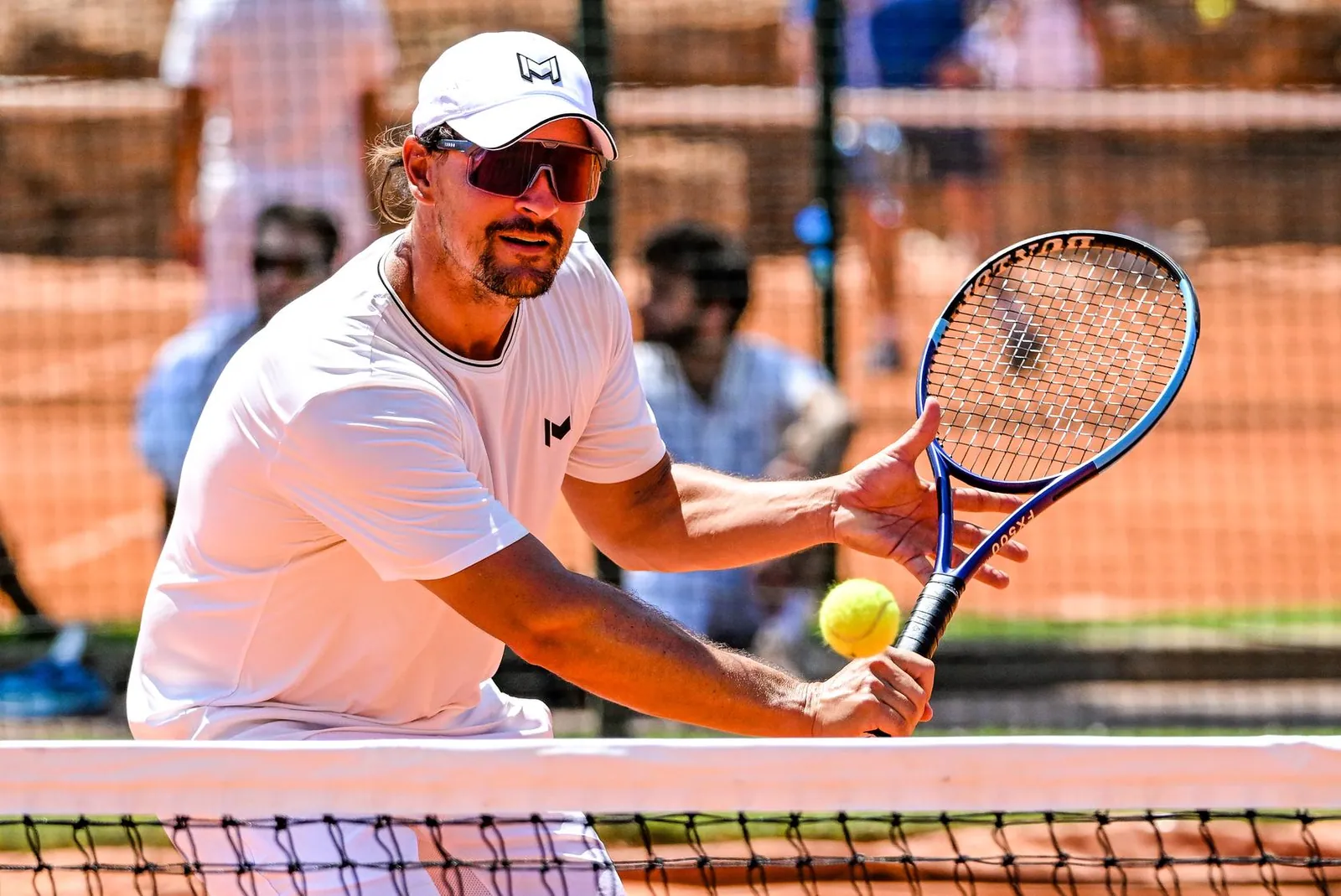 AdultsFull daysAll levelsPerformance Camp AdultA week of intensive tennis, 4 players per coach: technique, match play, physical and mental training.DISCOVER
 Frequently asked questions
Which grip should I use for a kick serve?
The continental grip, possibly turned slightly towards a backhand grip for advanced players. It lets you brush the ball from low to high.
Where should I toss for a kick serve?
Above your head, or slightly behind and to the left for a right-hander. A toss in front of you produces a flat serve.
Why does my kick serve go into the net?
Usually because you slow down your arm. The kick needs racquet speed to spin: accelerate upwards, not forwards.
Is the kick serve bad for the back?
The arch puts load on the lower back. With a proper warm-up, regular core work and gradual progress, the risk stays low.
When should I learn the kick serve?
Once your flat serve is stable and you are comfortable with the continental grip. Start with a simple topspin serve before chasing the high kick.